How to Choose a Youth Sports Coach: A Parent's Checklist

A good coach builds skills. A great coach builds confidence. The difference shows up not just in how your child performs on game day, but in whether they still want to play next season. Whatever sport your child plays, and whatever level they're at, the way you size up a coach is mostly the same. You're not just hiring someone to teach a sport. You're trusting an adult with your child's time, their body, and a fair amount of their self-image. That's worth doing carefully. The good news is that the qualities that make a coach worth your money are easy to spot once you know what to look for. Here's a parent's checklist you can run through before you commit.
Experience and Background
Start with the basics: how long they've been coaching, the ages and levels they specialize in, and their own playing background. Experience matters, but the right kind of experience matters more. A former college athlete isn't automatically a great fit for a seven-year-old, and a coach who thrives with beginners may not be the one to prep a varsity hopeful for tryouts. The best fit matches your child's age, sport, and goals, not just whoever has the most impressive resume. Ask directly what kind of athlete they work with most often. A coach who knows their lane and says so is usually more useful than one who claims to do it all.
Safety and Trust
When it comes to youth coaching, safety comes first, full stop. Look for private coaches who are open about their credentials, willing to share references, and clear about how they keep players safe during sessions. Depending on the sport, that might mean certifications, first-aid or CPR training, background checks, or a clear policy on contact and injury. A trustworthy coach won't be defensive when you ask about any of this. They'll expect it. If a coach is vague, evasive, or acts put out by safety questions, treat that as useful information and keep looking.
Coaching Style
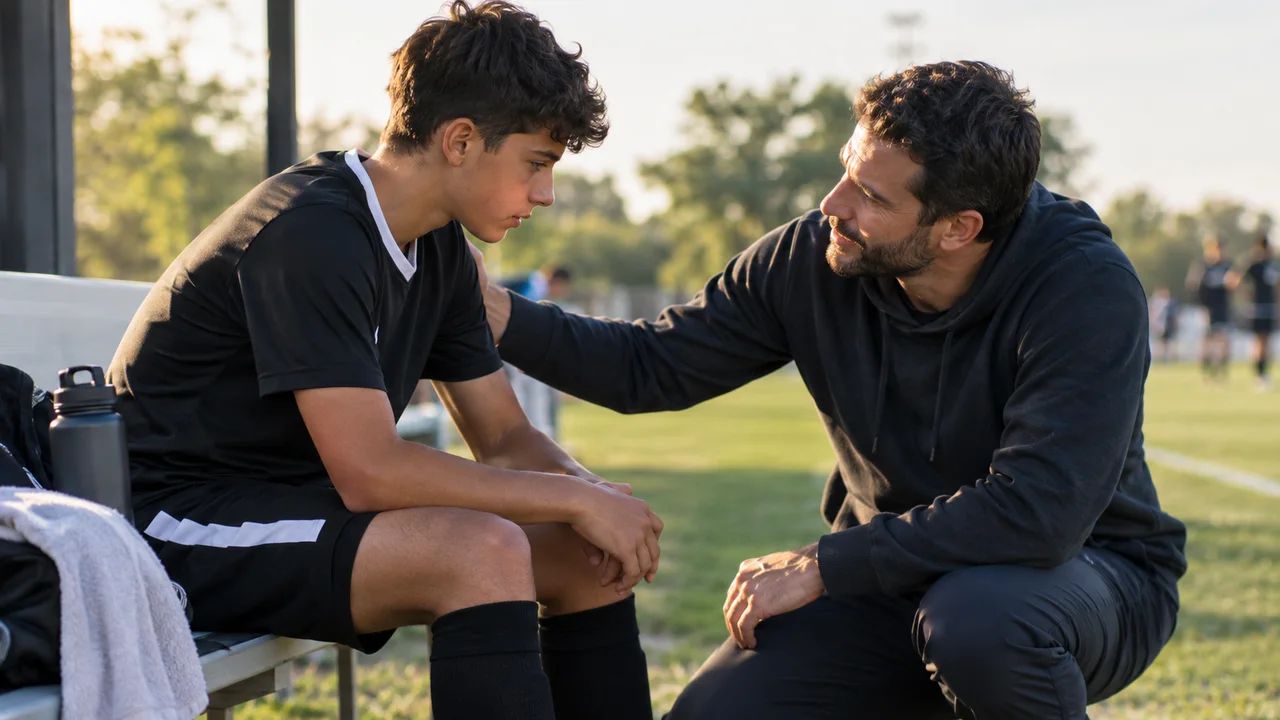
Two coaches with identical credentials can create completely different experiences for a child. So ask about style. Does the coach motivate mostly with encouragement, or with pressure? How do they handle mistakes, a dropped pass, a missed shot, a bad day? What does a typical session actually look like from start to finish? You're trying to picture your specific kid in that environment. A driven teenager chasing a roster spot might respond well to a more intense approach, while a younger or more sensitive child needs someone who keeps things positive. There's no single correct style, only the one that keeps your child excited to come back.
References and Reviews
A polished profile tells you how a coach markets themselves. References and reviews tell you what they're actually like to work with. Read feedback from other parents, and don't be shy about asking for references you can contact directly. When you reach out, ask the questions that are hard to fake: Did the coach show up on time and prepared? Did your child improve? Did they enjoy it? Would you book again? Real feedback from real families fills in everything a sales pitch leaves out.
Logistics
Plenty of good coaching relationships fall apart over practical details that nobody confirmed up front. Before you commit, nail down location, session length, pricing, and availability. Ask how scheduling works, what happens if you need to cancel or reschedule, and whether sessions are one-on-one or small group. Sorting this out early prevents the small frustrations that pile up later and sour an otherwise great fit. A coach who communicates clearly about logistics now is usually one who communicates clearly about everything else, too.
Red Flags to Avoid
No willingness to share credentials or references.
One-size-fits-all coaching with no real plan for your child.
Poor or slow communication before you've even started.
Defensiveness when you ask reasonable questions about safety or approach.
Promises that sound too good to be true, like guaranteed scholarships or overnight results.
None of these guarantee a bad coach on their own, but more than one is a strong signal to keep looking. Trust your gut here. If something feels off during the first conversation, it rarely improves once sessions begin.
Find a Private Coach in New Jersey
Once you know what to look for, the next step is comparing your options in one place. Rite Coach lets you compare private coaches across New Jersey, read parent reviews, and message a coach directly, so you can find the right fit for your child's age, sport, and goals before you ever book a session. Most families start with the sport their child already plays: private soccer coaches, private basketball coaches, or private football coaches.