Are Private Baseball Lessons Worth It vs. Team Practice?
Both private lessons and team practice build better ballplayers, but they do different jobs, and understanding the difference is the key to spending your time and money well. Baseball is an unusually technical sport. A swing or a pitching delivery involves dozens of small moving parts that all have to fire in the right order, and a single flaw can quietly hold a player back for years. That technical demand is exactly why this question is worth thinking through rather than defaulting to one or the other. The honest answer isn't that one is better than the other. It's that each is better at certain things, and the right choice depends on what your child needs right now. Here's how to think it through.
What Private Lessons Do Best
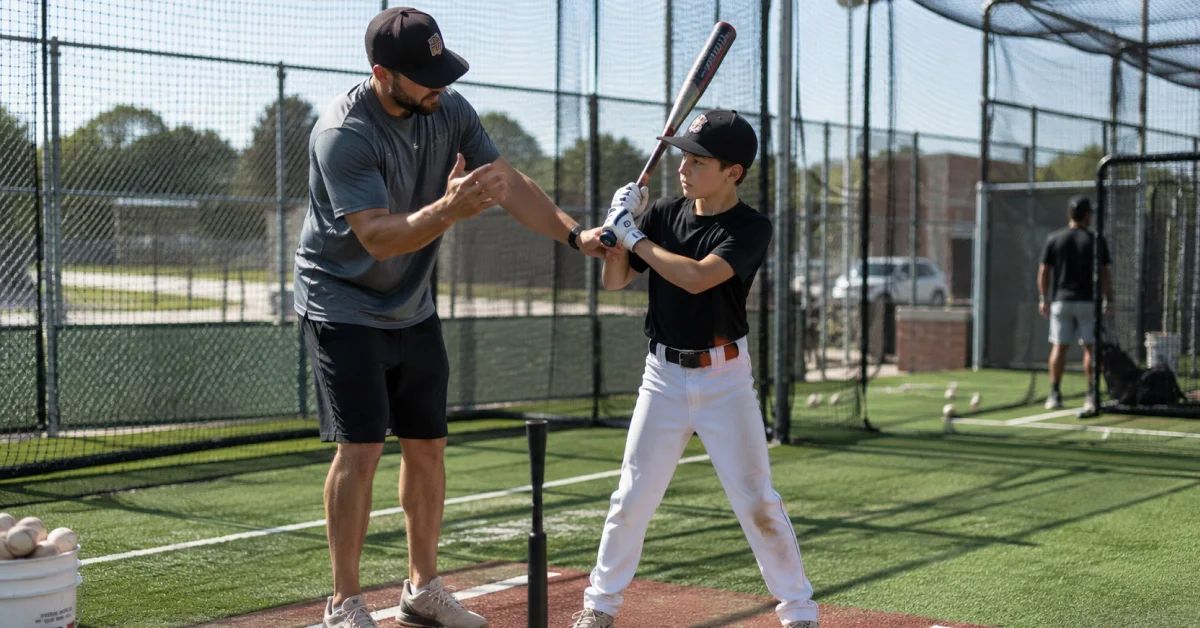
Hitting and pitching come down to detailed, repeatable mechanics, and that's exactly the kind of thing one-on-one attention fixes fastest. In the cage or the bullpen, a coach can rebuild a swing path, smooth out a delivery, or clean up fielding footwork at your child's own pace, with eyes on every single rep. That last part matters more than people realize. In a private setting, a flaw gets caught and corrected the moment it appears, before it hardens into a habit that takes months to undo.
Private lessons are also where players get honest, specific feedback. A good trainer can explain not just what to fix but why, and can tailor drills to your child's body, age, and skill level. This is the best option when there's a clear problem to solve: a hitch in the swing, an arm that's losing velocity, a glove that's a half-step slow. It's also valuable for a motivated player who simply wants to accelerate, getting more focused reps in an hour than they might in a week of shared practice.
What Team Practice Does Best
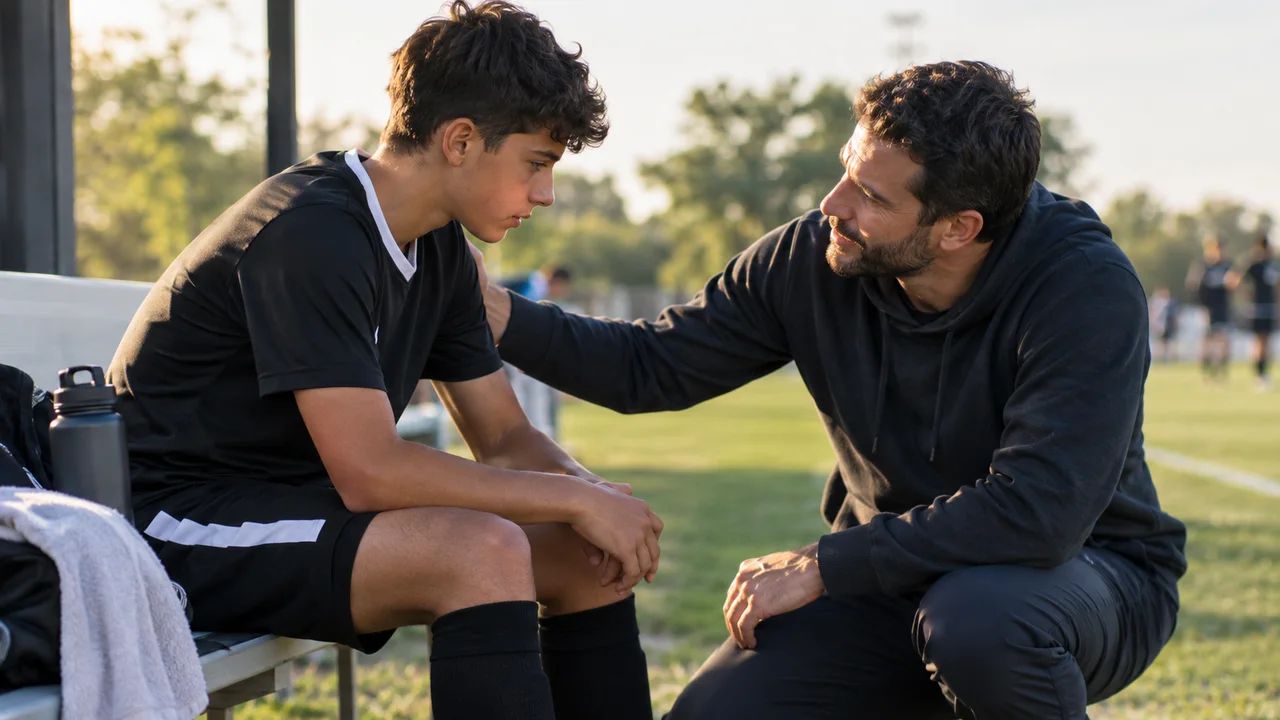
Team practice builds the game itself. This is where situational reps live: reading the play, hitting the cutoff man, knowing where to throw with a runner on second, taking the extra base. It's where polished technique gets put to use under real conditions, against live pitching and live defense, with all the pressure and unpredictability that a cage can't fully replicate. Mechanics you've grooved in private only count if they hold up in a real at-bat, and team play is where that gets tested.
There's a human side, too. Team practice is where kids learn to compete, to pick each other up, and to handle the inevitable slumps and strikeouts as part of a group rather than alone. The rhythm of a team, the dugout, the friendships, the shared wins and losses, is a big part of what keeps young players in love with the sport season after season. No amount of private instruction replaces that.
When to Choose Which
You don't have to overthink the decision. A few simple guidelines cover most situations:
Choose private lessons if your child has a specific skill to fix, whether it's the swing, the arm, or the glove, or if they want to speed up their development with focused, individual reps.
Choose team or group play when the goal is game IQ, live reps, and learning to compete under real conditions.
Do both when you can. Many families pair a weekly hitting or pitching lesson with regular team play, and it works well.
If you're only going to pick one for a stretch, match it to the moment. In the offseason, when there's time to rebuild and refine, private lessons often deliver the most value. In season, when games are happening every week, team play naturally takes the lead and lessons become a tune-up rather than the main event.
The Hybrid Approach
For most kids, the strongest development comes from combining the two rather than choosing between them. Private lessons build and refine the mechanics. Team play puts those mechanics to work in a real at-bat or on the mound, where they actually matter. The two reinforce each other: a player brings a problem from a game to their next lesson, fixes it in the cage, then carries the improvement back onto the field. That feedback loop is hard to beat.
A common and sustainable rhythm is one focused private session a week alongside normal team practice and games. That gives your child dedicated time to work on the details without pulling them away from the live, competitive reps that make the details meaningful. It also keeps the cost manageable, since you're using private time surgically rather than trying to replace team play entirely.
So, Are Private Lessons Worth It?
For a player with a specific skill to sharpen or real ambitions in the sport, yes, private lessons are usually worth it, because they fix things faster and more precisely than group settings can. But they work best as a complement to team play, not a substitute for it. The goal isn't to choose a side. It's to use each tool for what it does best, and to keep your child improving and enjoying the game at the same time.
Find the Right Coach for Either
Whether you're after focused one-on-one work, small-group sessions, or a mix of both, the right coach makes all the difference. Browse New Jersey baseball coaches who offer private and small-group sessions, and message them directly to find the right fit for your child's needs and goals. Coaches are listed by town, so it is worth checking your own area: Middlesex County, Camden County, Burlington County, Somerset County and Cumberland County.
Looking for a private baseball coach?
Rite Coach lists coaches across New Jersey.