What Age Should Kids Start Football? A Parent's Guide
Football raises a question most other youth sports don't. It isn't just "when is my child old enough to train?" It's also "when are they ready for contact?" Those are two separate decisions, and running them together is where a lot of parents get stuck. The honest answer is that readiness matters more than a number on a birth certificate. Kids develop coordination, focus, and physical confidence at wildly different rates, and flag and tackle ask very different things of a young athlete. The good news is that there's a natural progression most kids can follow, and you don't have to decide everything at once. Here's how to think about it, stage by stage.
Ages 5 to 7: Start With Flag
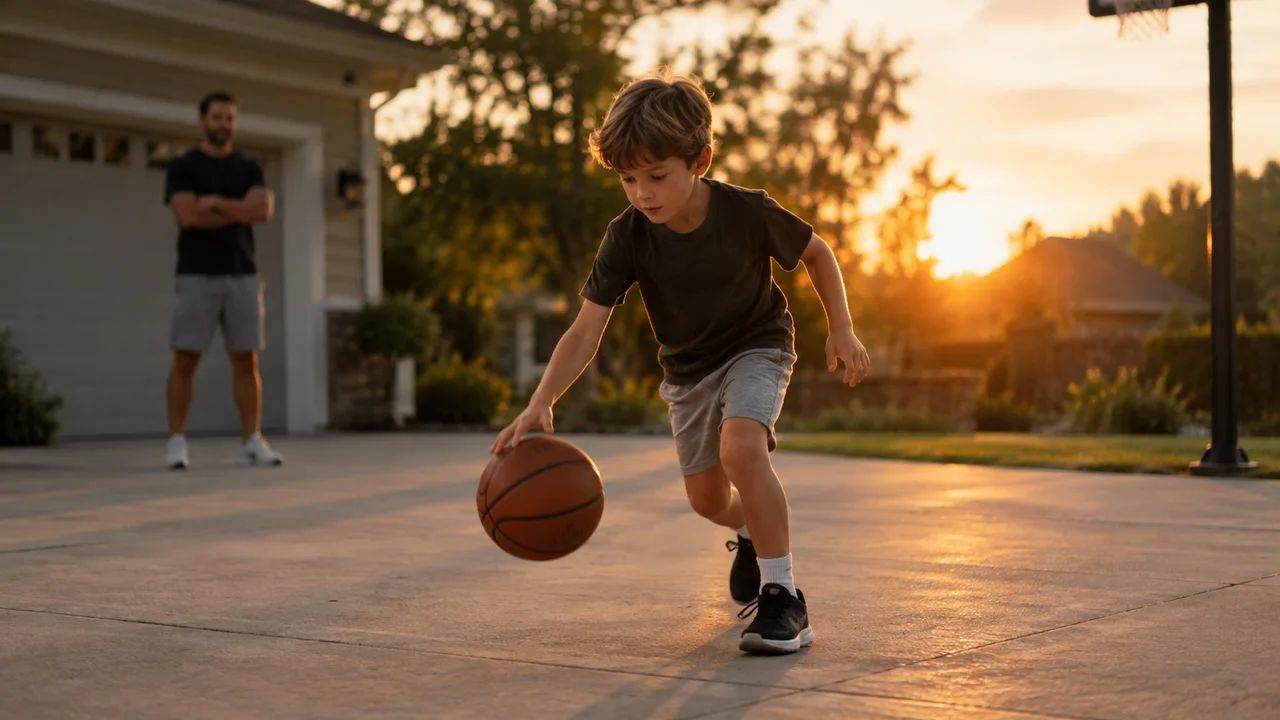
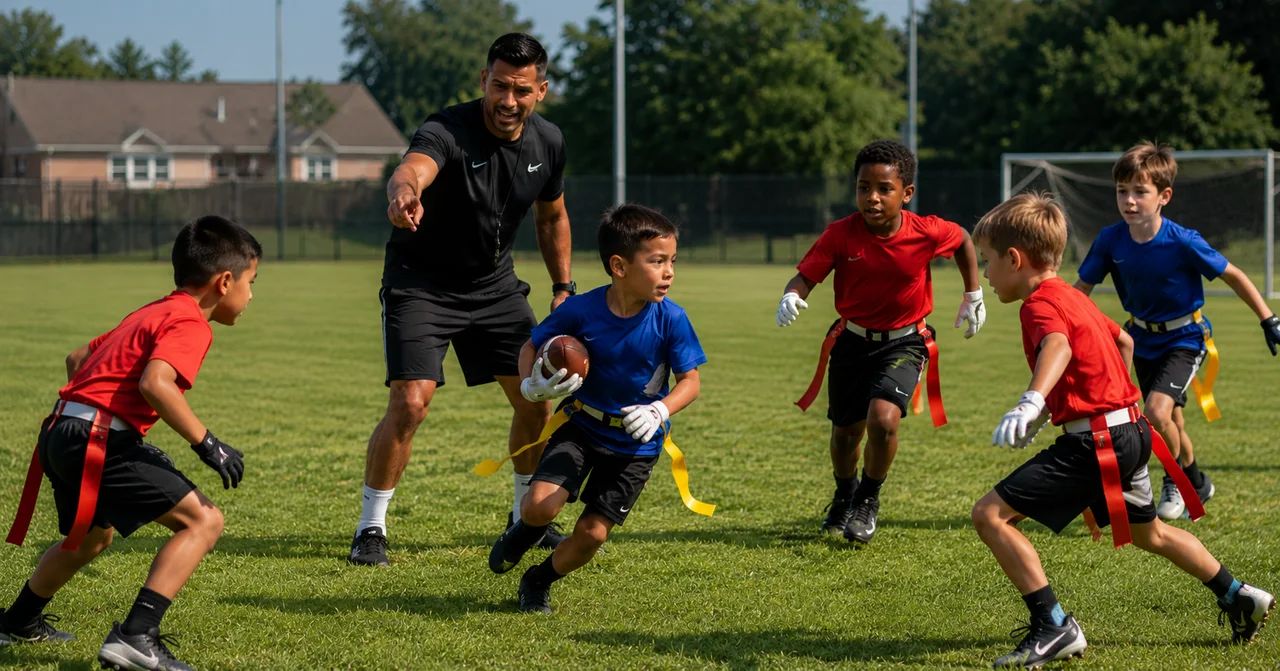
At this age, the whole point is fun, coordination, and falling in love with the game, not winning, and definitely not contact. Flag football is the natural starting point. Kids learn to run simple routes, pull flags, catch, and move with the ball, all while building the basic athleticism that every position eventually relies on. Practices at this stage should feel like organized play, not a combine. If your child is laughing, moving around, and asking to come back next week, the coaching is doing its job. Be wary of any program drilling five-year-olds like miniature pros; burnout is real even at this age, and the only goal right now is to keep them interested.
Ages 8 to 10: Fundamentals, and the Flag-to-Tackle Question
Kids can focus longer now, and they're ready to pick up real technique: footwork, catching mechanics, ball security, and the basics of what different positions actually do. This is also where the first big fork in the road appears. Some families happily stay in flag through these years, while others move into tackle, depending on the league, the child, and the family's own comfort level. There's no universally "correct" answer, and plenty of kids who start tackle later still go on to play at a high level. If contact does begin, the single most important factor is how well the coach teaches proper technique. Solid fundamentals, like heads-up tackling, safe blocking, and body control, protect kids far more than any single piece of equipment.
Ages 11 to 13: Positions and Athleticism
Now players can handle position-specific work: quarterback mechanics, receiver routes, line play, footwork in the trenches, or kicking. This is also the stage where speed, agility, and conditioning really start to pay off, because their bodies can finally absorb and apply that training. Many kids begin gravitating toward a position they love around this age, and that's a healthy thing to encourage without forcing it. Private or small-group coaching can make a real difference here for a child who wants to earn a starting spot or sharpen a specific skill, giving them reps and feedback they often can't get in a crowded team practice.
High School: Specialization and Exposure
By high school, the game gets serious for the kids who want it to be. Teens benefit enormously from position-specific coaching, dedicated speed training, and structured preparation for tryouts, combines, and, for some, recruiting. Quarterbacks, kickers, and skill players in particular get a lot out of focused one-on-one time, where small technical adjustments can translate into a measurably better season. And even players who aren't chasing a college roster spot tend to enjoy the game more when they feel genuinely competent at what they do.
A Note on Contact
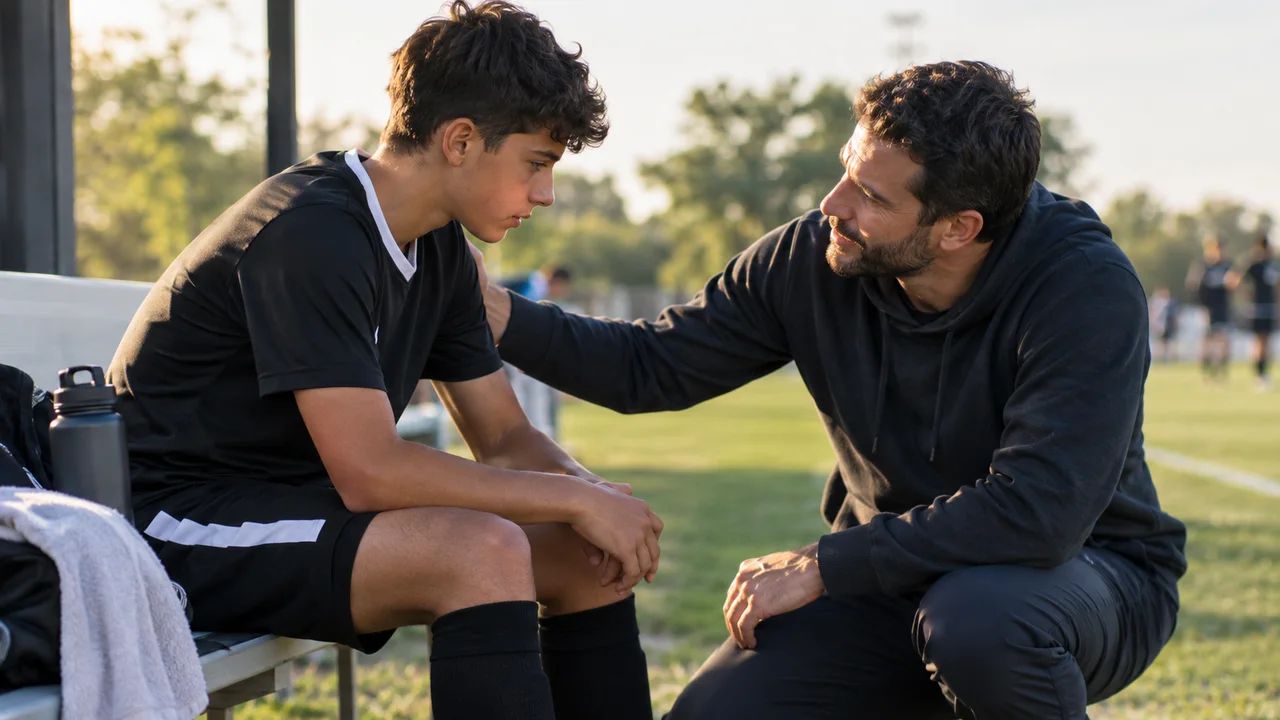
Whether and when to move from flag to tackle is a personal call, and every family weighs it differently. Some parents prioritize an early start; others wait until their child is older and more physically developed before introducing contact. Both are reasonable. What matters most is the environment you're putting your child into. Look for coaches who teach proper technique, treat safety as non-negotiable, and are upfront about exactly how they handle contact in practice and games. A coach who welcomes those questions is usually one worth trusting.
Signs Your Child Is Ready
They ask to practice on their own, without being prompted.
They can focus and follow instructions for 30 or more minutes.
They want to improve, not just show up and play.
For tackle specifically: they're both physically and emotionally comfortable with contact.
If most of these ring true, your child is probably ready for the next step. If they don't yet, there's no rush, because readiness almost always arrives on its own.
Find a Coach for Your Child's Stage
The right coach meets your child exactly where they are, whether that's a five-year-old chasing flags or a high schooler prepping for tryouts. Browse New Jersey private football coaches and find one who fits your child's age, level, and goals. If you are not sure which stage they are at yet, start from the full list of private football coaches. Coaches are listed by town, so it is worth checking your own area: Hudson County, Essex County, Somerset County, Sussex County and Burlington County.
Looking for a private football coach?
Rite Coach lists coaches across New Jersey.