Private Boxing Coaches & Trainers in Somerset County, NJ
Browse 1 boxing coach available in Somerset County, NJ. Compare profiles, rates, and reviews to find the right fit.
Private Boxing Coaches & Trainers in Somerset County, NJ
Private Boxing Coaching in Somerset County
Somerset County is suburban across most of its twenty municipalities, from Bridgewater and Hillsborough through Franklin Township and out to Bedminster and Far Hills. That shapes boxing here in one specific way: there are far fewer dedicated boxing gyms than you would find in Newark or Jersey City, so private coaching is often the most practical way to learn properly rather than a supplement to gym membership. The upside is that most of what a beginner needs, stance, guard, footwork, pad work, and conditioning, requires very little equipment and almost no space. Coaches list their background, the age groups they train, their rate, and where they run sessions.
Where to play
Browse Boxing Coaches by Town in Somerset County
Other Sports Coaches in Somerset County
Do You Need a Boxing Gym to Train in Somerset County?
Not for most of it. Shadow boxing, footwork drills, pad work, and conditioning all run fine in a garage, a basement with enough ceiling height, a park, or a driveway, and that covers the large majority of what a beginner does in their first year. What genuinely needs a gym is heavy bag work and anything involving a ring, so if those matter to you, ask a coach where they have access before booking. Plenty of coaches travel to families with pads and do everything else on site, which in a county this spread out is often more practical than everyone driving to one location. Ask what a coach brings and what you would need to provide.
How it Works
Simple, transparent steps to connect coaches and athletes.
Step 1
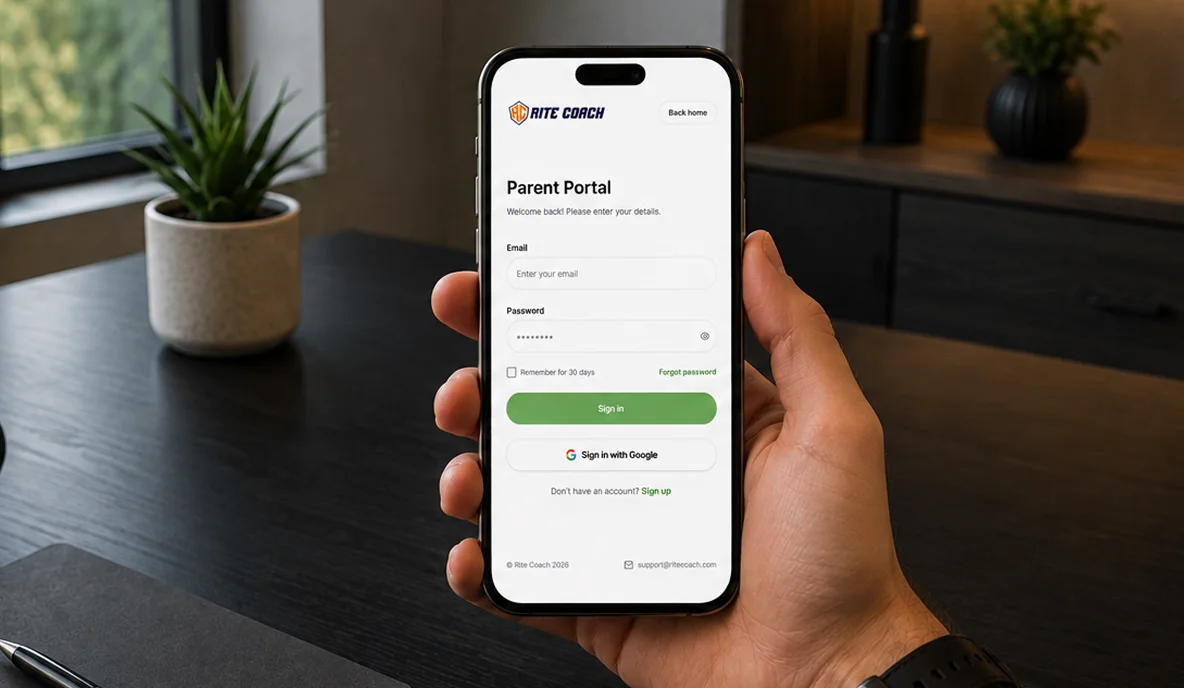
Create Your Profile
Parents create a profile and start finding the right coach in seconds.
Step 2
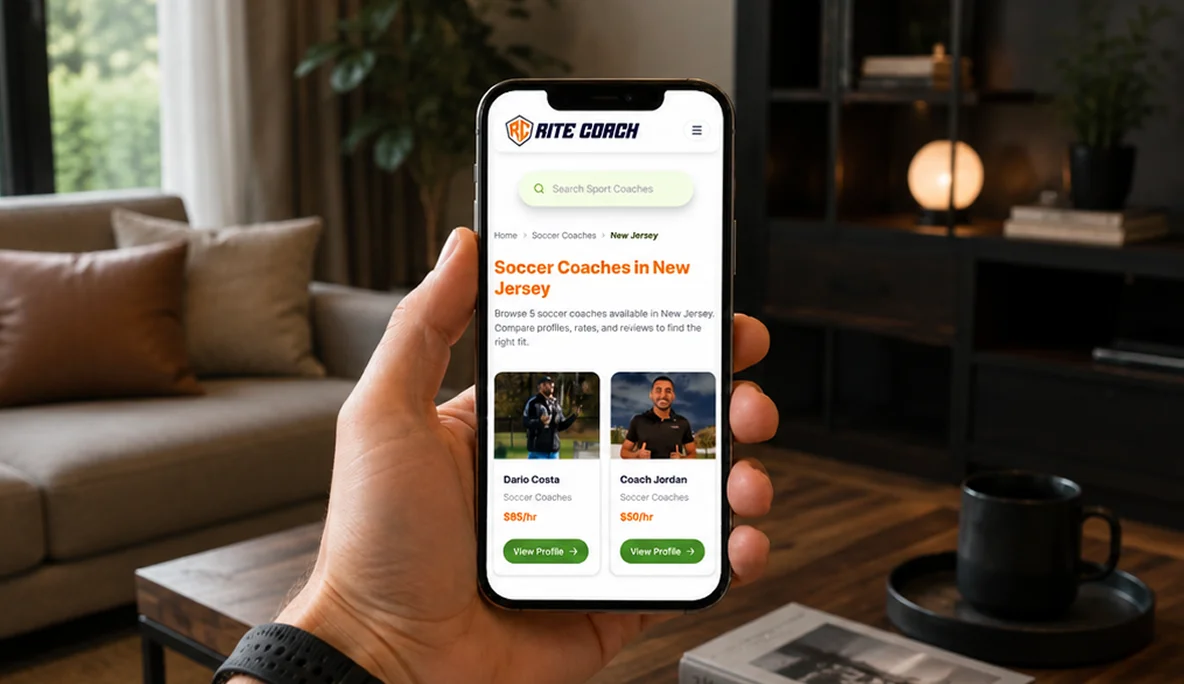
Search & Discover
Browse coaches by sport, location, and training focus across New Jersey.
Step 3
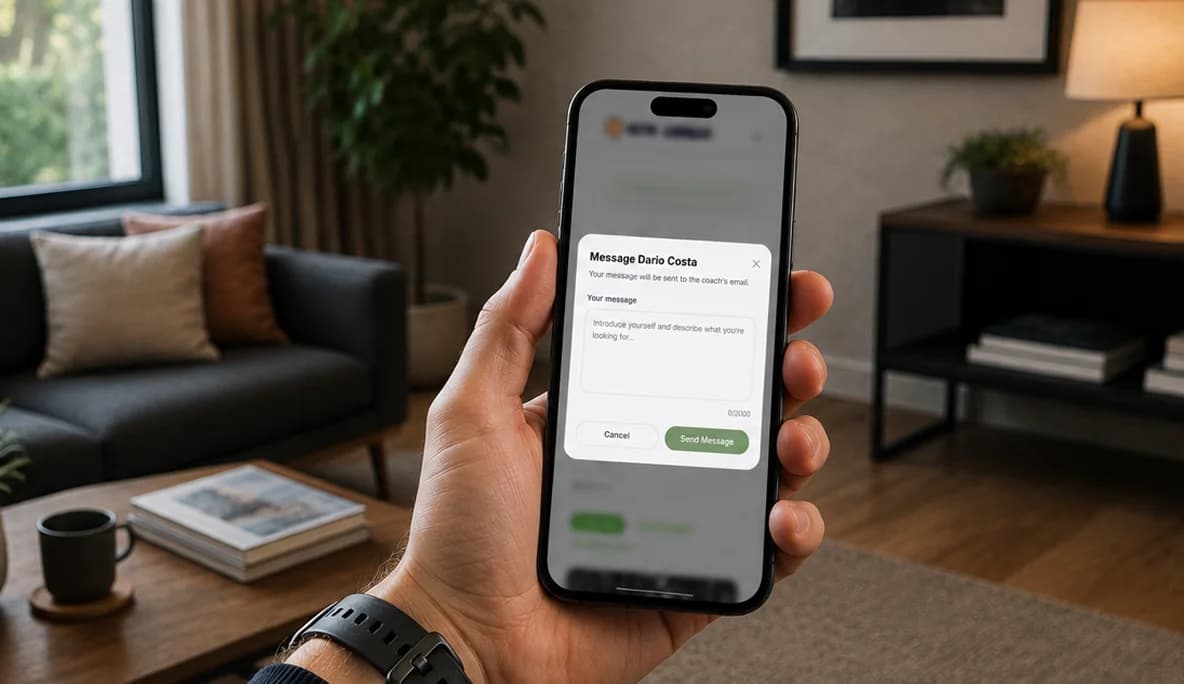
Connect Directly
Message coaches directly to discuss goals, scheduling, and fit.
Step 4
Train With Confidence
Choose the coach that fits your child’s needs and take the next step in their development.
Frequently Asked Questions
Common questions about boxing coaching in Somerset County, NJ.
Browse Somerset County boxing coaches on Rite Coach, review their training style, and contact them directly to arrange private sessions nearby.
Each coach sets their own hourly rate, listed on their profile for comparison.
No. Coaches work with all goals - fitness, fundamentals, and competition prep - and note their focus on their profiles.
Confirm location and availability directly with a coach.
Often yes, and it is common in suburban counties like this one. Pad work, footwork, shadow boxing, and conditioning need a flat surface and a bit of space, nothing more. A garage, driveway, or backyard works. Bag and ring work are the exceptions that need a gym. Ask a coach whether they travel and what they bring with them.
No. Private boxing sessions are normally non-contact, built around pads, footwork, and conditioning. Sparring is a separate step a coach would only raise much later, and many people train boxing for years without ever doing it. Ask a coach directly what their sessions include before booking so you know upfront.
Hand wraps and gloves, and many coaches bring spare gloves to a first session so you can try it before buying. Wraps are inexpensive and worth owning early since they protect the hands and wrists. Beyond that, athletic clothing and flat-soled shoes. If a coach is traveling to you they will usually bring pads. Check what they provide before spending on gear.
A warm-up and shadow boxing, then technique on the pads, then conditioning to finish. Early sessions concentrate on stance, guard, and footwork because everything else is built on them, and a first session usually doubles as an assessment of fitness and coordination so the coach can set a sensible pace.
Non-contact boxing suits children from around eight, since stance, footwork, and pad work amount to a coordination and conditioning session rather than fighting. Coaches hold off on anything heavier until an athlete is older and has the technique to justify it. Each coach lists the age groups they train, so look for one who regularly works with your athlete's age.
It is one of the more common reasons families here book it. Boxing builds footwork, balance, hand-eye coordination, and conditioning that carry into almost any sport, without the repetitive loading of a single-sport calendar. Somerset County athletes from soccer, basketball, and wrestling often use it through the offseason. Tell a coach the main sport and they can weight sessions toward movement and conditioning.
Once or twice a week to start. Boxing rewards consistency over volume because technique degrades quickly without repetition, and conditioning improves noticeably within a few weeks at that rate. Athletes using it as offseason cross-training often go twice weekly for a block, then drop back once their main season begins.
Ask what a session looks like, whether sparring ever features, and whether they travel to you. Those three answers tell you most of what matters here. Look for someone who has coached beginners and your athlete's age group rather than only competed themselves, since teaching a novice is a different skill from fighting. Book one session before committing to a block.
Coaches generally report the opposite, and it is one of the more common reasons parents here stick with it. Structured boxing is heavy on discipline, repetition, and self-control, and the training itself is a reliable outlet for energy and frustration. Children learn that the technique is something you practice rather than something you use. If it is a concern, raise it with a coach at the first session and see how they frame the sport to your child.
Not necessarily. Coaches are listed by their home town, not every area they cover, and Rite Coach is still adding boxing coaches in central New Jersey. Because Somerset County has few dedicated boxing gyms, many coaches here travel to families, and trainers based in neighboring Middlesex, Hunterdon, Morris, and Union counties work with Somerset clients too. Check each coach's profile for where they run sessions, and contact them directly to ask whether they come to your town. New coaches are added regularly, so check back if you do not find someone who travels to your part of the county today.
Yes, and many do. Adults book private boxing for conditioning, stress relief, weight loss, self-defense basics, or simply to learn a skill they have always been curious about. Sessions are usually non-contact and built around pads, footwork, and conditioning, so no prior experience or high fitness level is needed to start. Coaches adjust intensity to the person in front of them. Check each coach's profile for whether they train adults, and ask how they would structure a first session for a beginner. Many adults also find private sessions less intimidating than walking into a busy boxing gym for the first time, which makes it easier to start.
Not very. A good coach builds conditioning gradually and adjusts the pace of each session to the person, so beginners start with technique and short work intervals rather than exhausting rounds. Boxing improves fitness quickly, which is part of its appeal, but nobody needs to arrive fit. If you have any health concerns or a history of injury, check with a doctor first and tell the coach, so they can plan sessions around it from the start. Most beginners notice a real difference in stamina within a few weeks of consistent sessions, which tends to keep motivation high early on.