Private Boxing Coaches & Trainers
Work one-on-one with a private boxing coach. Compare experience, hourly rates, and parent reviews, then reach out directly. No commission, no booking fees.
Currently serving New Jersey
Private Boxing Coaches & Trainers
Private Boxing Coaching
Group classes build fitness. Private boxing training builds a boxer. In a one-on-one session an athlete throws hundreds of purposeful punches on the pads and bag, where the same hour in a group class might be spent shadowboxing in rows, waiting for a station, or grinding through conditioning. That gap is where real technique is won or lost. A private boxing coach can spend a full hour on a single problem, whether it's a dropped rear hand, a lazy jab, flat footwork, or poor weight transfer, and correct the same mistake twenty times until it holds under pressure. On Rite Coach you can compare boxing coaches by experience, hourly rate and parent reviews, then contact them directly. There is no commission and no booking fee. Rite Coach currently serves families across New Jersey.
Where to play
Browse Boxing Coaches by Location
Coaches are listed in 1 of New Jersey's 21 counties so far. Don't see yours? Search by town above, or open the nearest county listed. New coaches are added every week.
How to Choose a Private Boxing Coach
Style and stance matter more than most parents expect. A coach who fought as an out-boxer teaches distance and timing differently than a pressure fighter or a counterpuncher, and the drills they reach for reflect that. If your athlete is orthodox or southpaw, or wants to compete rather than just get fit, ask whether the coach has trained boxers like them. Ask what a session looks like too. Good private boxing training is heavy on pads, footwork and defense, with short instruction and long stretches of repetition, not a group cardio class with one person. If a coach describes a session that's mostly circuits and burpees, keep looking. Every Rite Coach profile lists experience, rates and parent reviews, so you can shortlist before making contact. Browse boxing coaches by county and city below.
How it Works
Simple, transparent steps to connect coaches and athletes.
Step 1
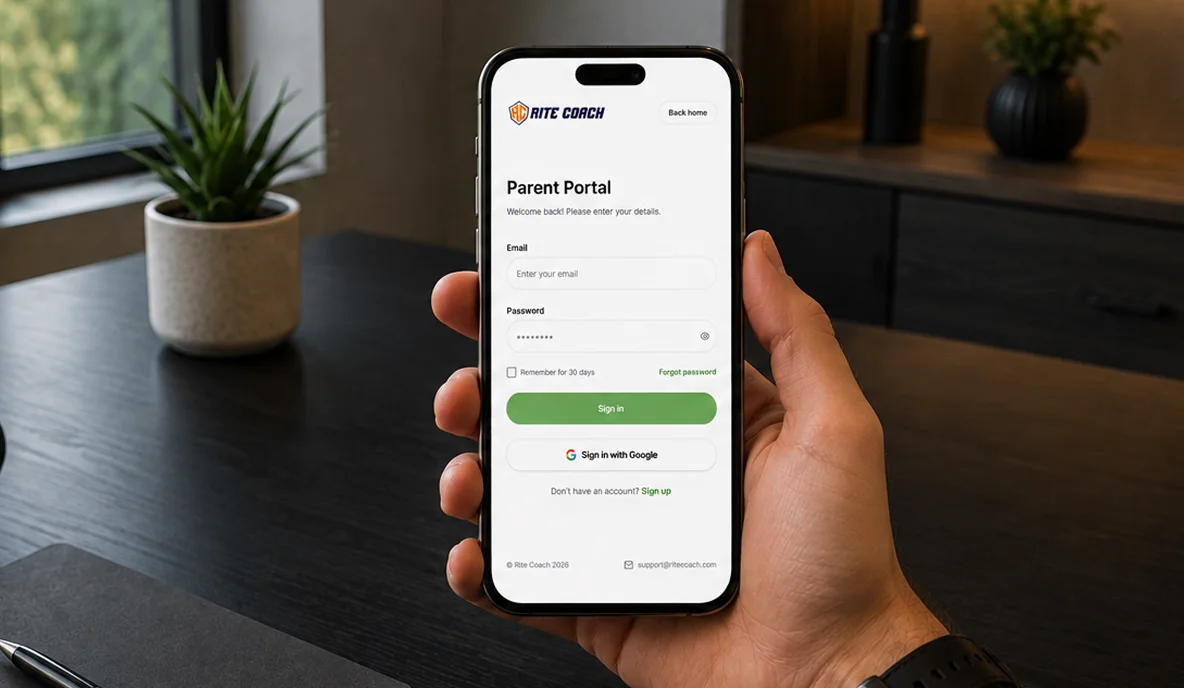
Create Your Profile
Parents create a profile and start finding the right coach in seconds.
Step 2
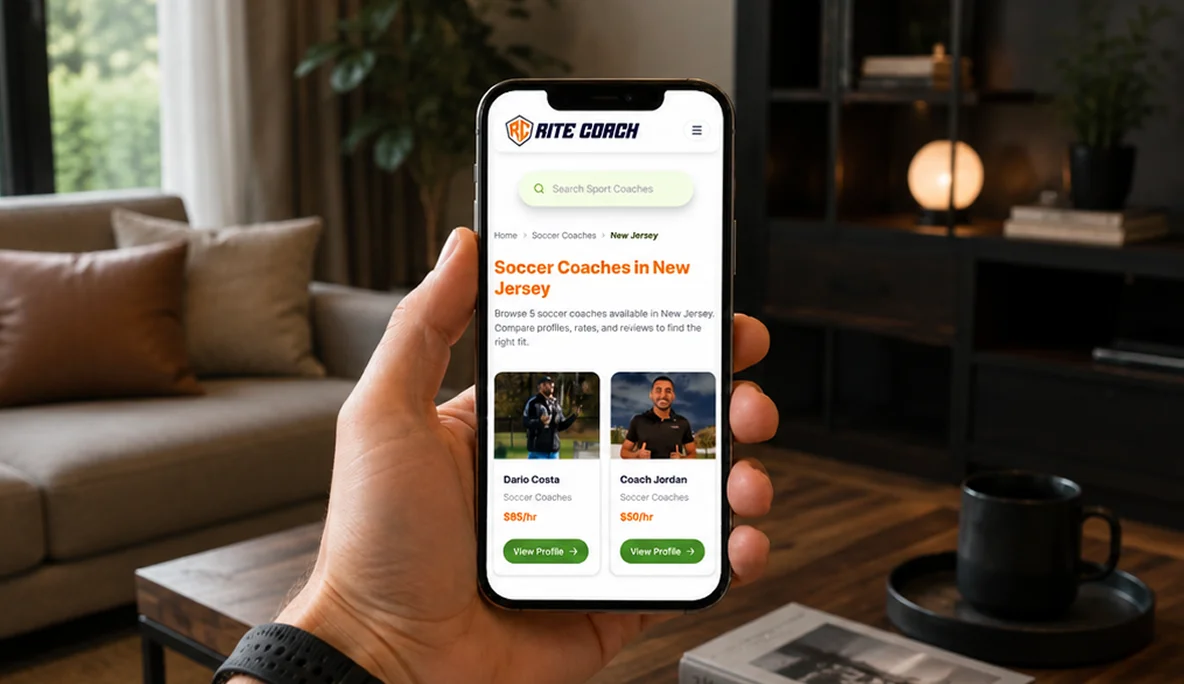
Search & Discover
Browse coaches by sport, location, and training focus across New Jersey.
Step 3
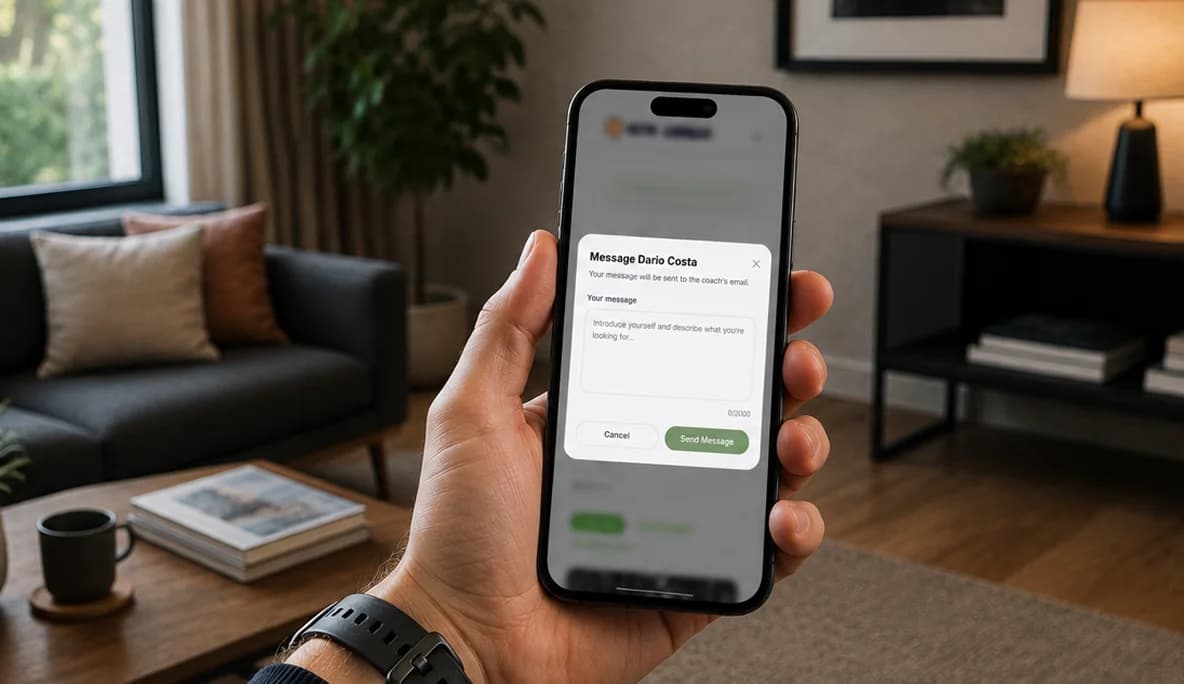
Connect Directly
Message coaches directly to discuss goals, scheduling, and fit.
Step 4
Train With Confidence
Choose the coach that fits your child’s needs and take the next step in their development.
Frequently Asked Questions
Common questions about boxing coaching in New Jersey.
Rates vary with a coach's experience and competitive background, and typically run by the hour. Rather than a fixed platform price, every Rite Coach profile lists that coach's own hourly rate up front, so you can compare and pick what fits your budget, with no commission or booking fee added on top.
Yes, because the two do different jobs. Gym and group classes build conditioning, ring IQ and sparring reps, but a coach splitting attention across a room can't fix one athlete's timing or defense in detail. A private session is an hour built entirely around your child's weaknesses, which is where technique actually gets corrected and reinforced.
Many kids start non-contact fundamentals like stance, footwork, the jab, and pad work around age 7 or 8, where the focus is coordination, discipline and fitness in a safe, no-contact setting. Sparring comes much later and only when a coach judges an athlete ready. A good private coach will set contact expectations clearly with you before it is ever on the table.
Rite Coach currently serves families across New Jersey, with boxing coaches listed by county and city so you can find someone near you.
More than most people expect, and most of it has nothing to do with fighting. Footwork, balance, hand-eye coordination, conditioning, and posture all improve quickly, because boxing drills them constantly. Technique like stance, guard, and combination work responds well to one-on-one correction. What a private hour cannot build is ring experience, which only comes from sparring, and most young athletes never go near that anyway.
Often it suits them better than the alternative. Boxing training is repetitive, technical, and heavy on self-control, and a quiet child who dislikes team sports frequently takes to it because nothing depends on teammates and nobody is watching them fail in front of a crowd. Aggression is not a requirement and coaches do not try to manufacture it. If you are unsure, book one session and see how they come off the pads.
A gym gives you equipment, atmosphere, and other people to train alongside, all for less money per hour. A private coach gives you an hour where every mistake gets corrected, which is where technique actually forms. Beginners usually benefit from starting private, because bad habits learned in a busy class are hard to unpick later. Many people do both eventually, using the gym for volume and a private coach for correction.
Not fit at all, which is one of the reasons people pick boxing. A coach scales the conditioning to whoever turns up, and the technical work at the start is slow and precise rather than exhausting. Fitness is a result of the training, not a prerequisite for it. Tell a coach honestly where you or your athlete are starting from and a good one will pace the first few sessions accordingly.
Yes, and a good share of private boxing work is adults rather than children. The reasons are usually fitness, stress, or simply wanting to learn something properly rather than following a class. The training is the same in structure: stance, footwork, pads, conditioning. Coach profiles list the age groups they work with, so check that an individual coach takes adult clients before reaching out.
How much time goes on stance and footwork. A coach who has a beginner throwing combinations in the first twenty minutes is skipping the foundation, and it shows up six months later as habits that need undoing. Watch for patience, clear explanation, and a coach who corrects the same detail repeatedly rather than moving on. And note whether they ask about goals before starting rather than running a default hour.
Once or twice a week is the usual starting point, and boxing rewards consistency far more than volume, because technique degrades quickly without repetition. Conditioning changes are noticeable within a few weeks at that rate. Technical changes take longer and depend heavily on whether the athlete shadow boxes between sessions, which costs nothing and needs no equipment.
No. Private boxing sessions for young athletes are normally non-contact and built around pads, bag work, footwork, and conditioning. Sparring is a separate step that a coach would only consider much later, with appropriate protective equipment and close supervision, and many people train boxing for years without ever doing it. If your child eventually wants to compete, that route involves sanctioning bodies with their own age and medical rules. Ask any coach directly what their sessions include before booking, so you know upfront.
Hand wraps and a pair of boxing gloves, and many coaches bring spare gloves to a first session so you can try the sport before buying anything. Wraps are inexpensive and worth owning early because they protect the wrists and knuckles. Beyond that, athletic clothing, flat-soled shoes, and a water bottle are enough. Coaches who travel to clients usually bring pads, and some bring a portable bag. Check what a coach provides before spending money on gear you might not need.
Often, yes. Much of what a beginner does, stance, guard, footwork, shadow boxing, pad work, and conditioning, needs only a flat surface and a little space, so a garage, basement with enough ceiling height, driveway, or backyard can work. Many private boxing coaches travel to clients for exactly that reason. Heavy bag work and anything involving a ring are the main things that need a gym. Ask a coach whether they travel, what they bring with them, and how much space a session needs.