Private Soccer Coaches & Trainers in West New York, NJ
Browse 1 soccer coach available in West New York, NJ. Compare profiles, rates, and reviews to find the right fit.
Private Soccer Coaches & Trainers in West New York, NJ
Private Soccer Coaching in West New York, NJ
West New York is one of the most densely populated municipalities in the United States, packing close to fifty thousand people into roughly one square mile on the Palisades above the Hudson. It is also a town where soccer is genuinely part of daily life rather than a scheduled activity, with a large Latin American community and a culture of playing wherever there is space. Both facts shape private coaching here. Open grass is scarce, so sessions run on turf, in small parks, or in whatever slot a coach has secured, and the technical work suited to tight spaces tends to dominate: first touch, close control, finishing, and beating a defender in a phone box. Coaches list their playing and coaching background, the age groups they train, their hourly rate, and where sessions run.
What Does a Professional or Academy Background Actually Buy You?
Coaches around here more often than not have played or worked somewhere serious, whether that is a European club academy, an MLS setup, or a professional league abroad, and it is worth understanding what that does and does not mean for your child. What it genuinely brings is a clear picture of what good technique looks like and what standards apply at a high level, which is hard to fake. What it does not automatically bring is the ability to teach a nine year old, which is a separate skill that some excellent players never develop. The useful question is not where someone played but who they have coached since. Ask how many players your child's age they currently work with, and what a typical hour looks like for that age group rather than for an academy prospect.
Soccer Guides for Parents
- How Much Does a Private Soccer Coach Cost in New Jersey?
Private soccer coaching in New Jersey runs $50–$85 an hour. What drives the price, how many sessions to budget for, and how to tell whether the money is actually working.
5 min read
- How to Make Money Coaching Youth Soccer in New Jersey
Played soccer in high school, college, or club? Private soccer coaches in New Jersey list $50–$85 an hour. Here is what to charge, what you need to start, and how to get a steady stream of families.
5 min read
- Youth Soccer Drills by Age: U6 to U12 Practice Guide
The most common mistake in youth soccer coaching is running a good drill at the wrong age. Age appropriate drills for U6 through U12, what develops at each stage, and how long each activity should actually run.
5 min read
How it Works
Simple, transparent steps to connect coaches and athletes.
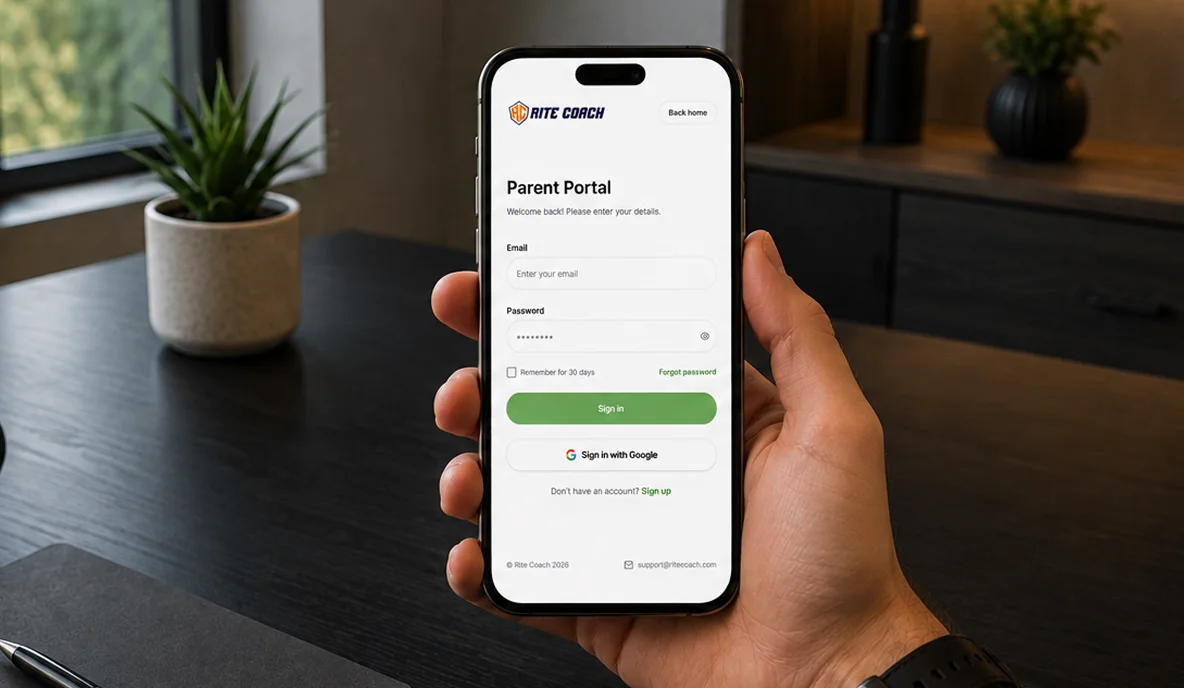
Step 1
Create Your Profile
Parents create a profile and start finding the right coach in seconds.

Step 2
Search & Discover
Browse coaches by sport, location, and training focus across New Jersey.
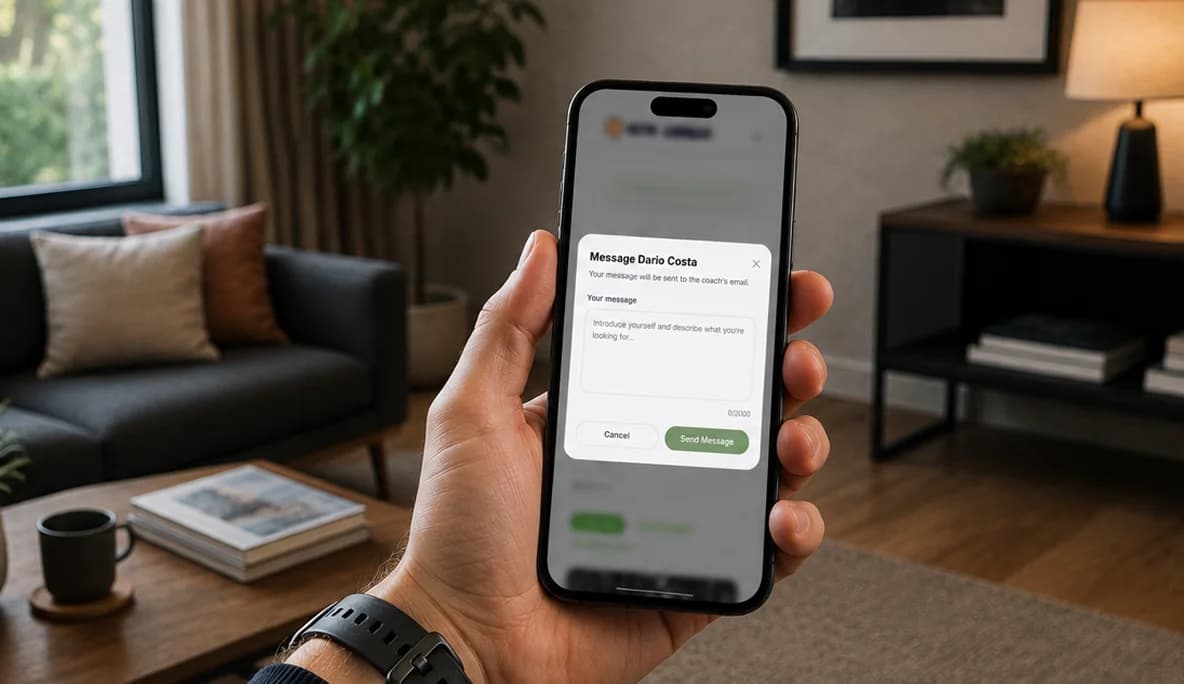
Step 3
Connect Directly
Message coaches directly to discuss goals, scheduling, and fit.

Step 4
Train With Confidence
Choose the coach that fits your child’s needs and take the next step in their development.
Frequently Asked Questions
Common questions about soccer coaching in West New York, NJ.
Browse West New York soccer coaches on Rite Coach, review their specialties, and contact them directly to set up private or small-group training nearby.
Coaches set their own hourly rates, shown on each profile for comparison.
Yes. Each coach lists the ages and levels they train, from youth to competitive players.
Most coaches train at a local park or field in or near West New York, with some covering nearby Union City and Weehawken. Confirm the location directly with a coach.
No. Coaches are listed under the town they are based in rather than every town they cover, and in Hudson County that understates your options more than anywhere else, because the municipalities are so close together. A coach in Union City, North Bergen, Guttenberg, or Weehawken is often a ten minute trip and regularly covers West New York. Browse the Hudson County listing to see the full set, and message any coach whose profile looks close, since most will tell you honestly whether they are the right fit.
Each coach sets their own hourly rate rather than following a platform price, and it is listed on their profile so you can compare before contacting anyone. Rates reflect a coach's background, session length, and whether the hour is one-on-one or shared between players. Rite Coach charges no commission and no booking fee, so the rate on the profile is what you arrange directly with the coach. Because most sessions here run on turf, ask whether field or facility cost is included in that rate or billed separately.
Often, and it is a reasonable thing to ask about directly rather than hoping. A large share of families here speak Spanish at home, and plenty of coaches working this part of Hudson County do too, whether because they grew up locally or played in Latin America or Spain. Coaching a child in the language they think in is a genuine advantage when the instruction is technical and needs to land immediately. Profiles do not always mention it, so message the coach and ask before ruling anyone in or out.
Usually, which is unusual for private coaching in New Jersey. West New York is compact enough to cross on foot, and bus routes along Bergenline and Kennedy Boulevard connect it to Union City, Guttenberg, and North Bergen within minutes. That means a coach a town away is genuinely reachable without a car, and it widens your options considerably. Check the walk or the route to the specific field rather than to the coach's listed town, since the Palisades make some short distances steeper than they look on a map.
It changes the emphasis rather than the value. Everything technical, first touch, close control, striking a ball, finishing, and beating a defender one against one, works fine in a small space and is exactly what most young players need most. What genuinely needs a full pitch is positional and shape work across long distances, which is the club coach's job anyway. In practice, the tight spaces here tend to produce comfortable, quick players, and coaches build sessions around that rather than apologizing for it.
Most coaches in this area work with players from around seven or eight, and some take younger children for ball mastery work that looks more like play than coaching. In a town where children grow up with a ball at their feet, the honest answer is that many young players already get plenty of touches informally, and a formal hour adds most once they want to fix something specific. Each coach lists the age groups they train, so look for someone who regularly works with your child's stage.
Many do, and it makes particular sense where field time is the bottleneck. Splitting a secured slot between two or three players uses scarce space efficiently and cuts the cost per family, and it adds the opposition that finishing, defending, and possession work require. One-on-one remains better for technical corrections needing constant feedback, such as reshaping how a player strikes a ball. Ask which formats a coach runs and how group pricing works, since not everyone offers both.
More than you would think, and it matters because between-session work is what makes private coaching pay off. Ball mastery patterns, sole rolls, toe taps, and close control need a few square feet and a soft ball. Weak-foot touches against a wall need a stairwell or a courtyard. None of it requires a field, which is the whole point in a town this dense. Ask your coach to leave something short and specific that works in the space you actually have, and tell them what that space is.
It can, though indoor and turf space across the county gets tight from December through February when every program wants the same hours. Some coaches hold winter slots they book well ahead, others pause or shift to technical work in smaller spaces, which suits this area anyway. The practical advice is to raise it in autumn rather than in January, because by then the good slots are gone. Ask a coach what their winter arrangement is before committing to a block that runs into it.
No, and one session first is the sensible order. It lets both sides work out whether the fit is right, and a coach who requires a package before ever watching your child play is worth pausing over. After that a weekly block is the usual pattern, because technical change needs repetition to hold. In this county there is one extra reason to book a block once you are sure: it secures the field slot, which is often harder to get than the coach. Ask about cancellation terms and whether blocks are paid up front.