Private Tennis Coaches & Trainers in North Brunswick, NJ
Browse 1 tennis coach available in North Brunswick, NJ. Compare profiles, rates, and reviews to find the right fit.
Private Tennis Coaches & Trainers in North Brunswick, NJ
Private Tennis Coaching in North Brunswick, NJ
North Brunswick Township had about 44,000 residents at the 2020 census and sits along Route 1 between New Brunswick and the towns toward Princeton. Public tennis here is spread across township parks and school grounds: OpenStreetMap maps about 17 tennis courts in the township, most of them in small groups of two to four.
Read moreRead less
That is enough for most private lessons from spring through fall, when a coach and a player need just one court and a basket of balls. Tennis is also a sport where private instruction is the normal way to learn rather than an extra. Group clinics teach the basics, but strokes, footwork and match habits improve fastest with one coach watching one player hit hundreds of balls. Players in town range from young children picking up a racquet for the first time to teenagers trying to make or move up a high school lineup. Coaches list their background, the age groups they train, their hourly rate, and where they run sessions.
- 1 coach listed
- Message coaches directly, no booking fees
Where to play
 59Courts and fields in North BrunswickMap and directions
Nearby Tennis Coaches in Middlesex County
Other Sports Coaches in North Brunswick
Does the Split High School Tennis Season Change When a North Brunswick Player Should Train?
Yes, and it is easy to miss. In New Jersey, girls play high school tennis in the fall and boys play in the spring.
Read moreRead less
That means the most useful time for private work is different for each. A girl trying out in late August gets the most from lessons in the spring and summer, on outdoor courts. A boy preparing for a spring season does his building in the fall and winter, and once it gets cold that means indoor courts, which cost more and fill up early. During the team season itself, lessons usually drop to maintenance, because practice and matches take most afternoons. The honest caveat is that USTA junior tournaments run all year, so a player who competes outside school may not have a real off-season. Ask a coach how they would plan the year around your player's high school season and any tournaments.
How it Works
Simple, transparent steps to connect coaches and athletes.
Step 1
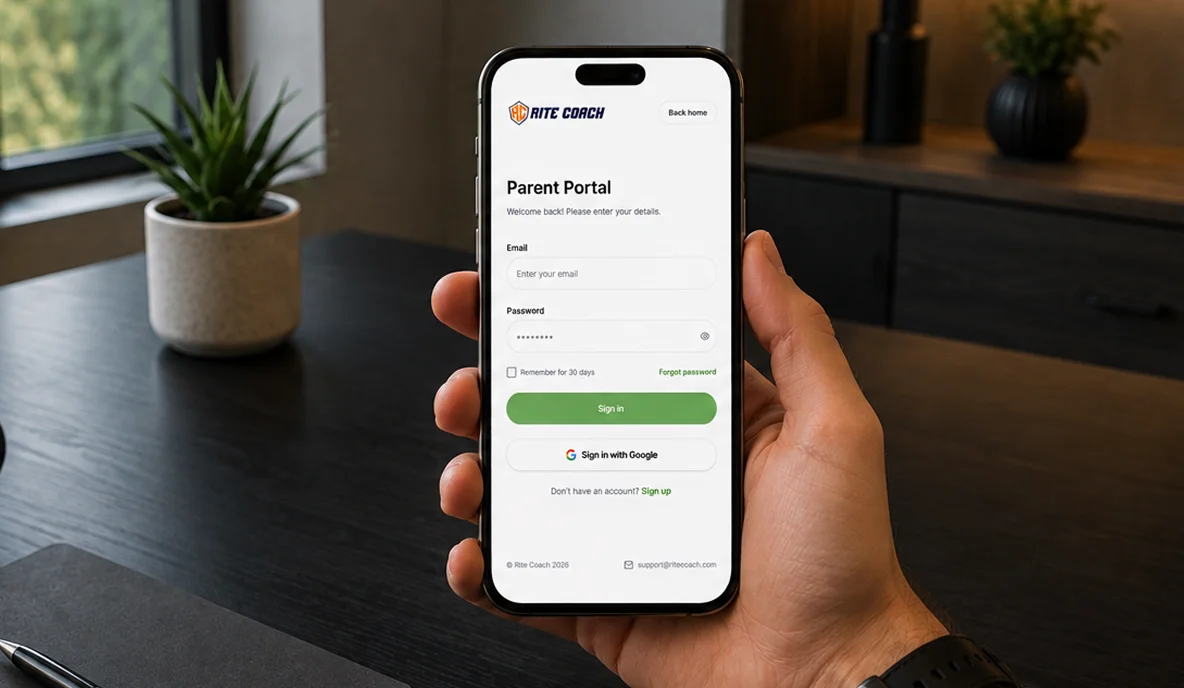
Create Your Profile
Parents create a profile and start finding the right coach in seconds.

Step 2
Search & Discover
Browse coaches by sport, location, and training focus across New Jersey.
Step 3
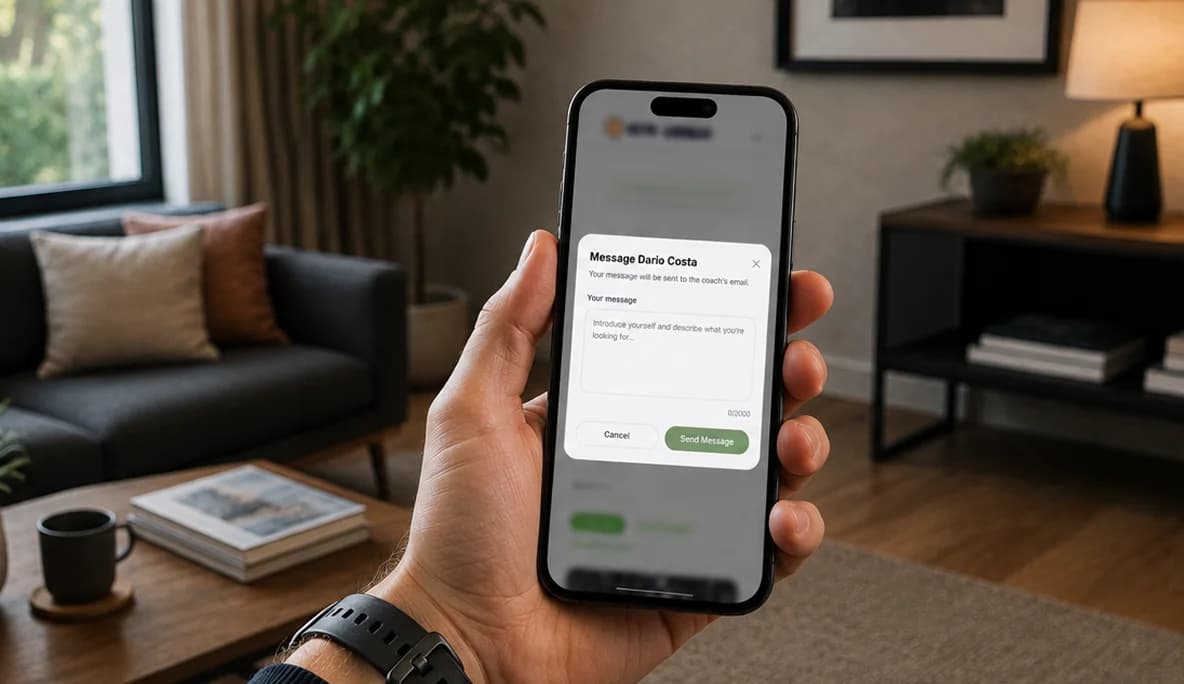
Connect Directly
Message coaches directly to discuss goals, scheduling, and fit.
Step 4
Train With Confidence
Choose the coach that fits your child’s needs and take the next step in their development.
Frequently Asked Questions
Common questions about tennis coaching in North Brunswick, NJ.
Browse the coaches listed for North Brunswick, open a profile, and read their background, the age groups they teach, where they give lessons and their hourly rate. Then contact the coach directly from the profile. In your first message, mention your player's age, how long they have played, whether they play on a school team or in tournaments, and what days you can make.
Each coach sets their own rate and shows it on their profile. Rite Coach takes no commission and charges no booking fee, and you pay the coach directly. The question that matters most in tennis is court cost. Lessons on public township courts may add nothing, while lessons at an indoor club in winter often add a court fee on top of the coach's rate. Ask what is included, whether balls are provided, and whether the coach offers packages or semi-private rates for two players.
Not likely, just everyone who has listed so far. Coaches are listed by their home town, not by every court or club where they teach, so a North Brunswick coach may also teach players from New Brunswick, East Brunswick or South Brunswick, and coaches from those towns may teach here. The Middlesex County tennis page gathers every listed coach in the county. The only other tennis page in New Jersey right now is West New York in Hudson County, which is too far for weekly lessons. Check back as more coaches join.
Many children start around five to seven, using smaller racquets, lower compression balls and shorter courts that make the game playable at their size. Lessons at that age should be short and active, built around coordination and fun more than perfect technique. Older beginners, including teenagers, can learn quickly too, and plenty of players start in middle school. Each profile lists the age groups the coach teaches. Ask whether the coach uses the smaller balls and courts for young players, which most good junior coaches do.
A typical hour starts with a warm-up rally from the service line, then moves to the main focus for the day, such as a forehand change, serve mechanics or net play, using fed balls and then live rallies. Many lessons end with points or a game situation so the player uses the new skill under some pressure. A good coach keeps the player hitting most of the time instead of talking, gives one or two corrections at a time and explains what to practice before the next lesson.
From spring through fall, many lessons take place on township or school courts, and North Brunswick has more than a dozen spread across its parks. Some townships set rules about paid lessons on public courts, such as permits or limits on reserving courts, so ask the coach how they handle that. Other coaches teach at private clubs in the area. In winter, lessons move indoors to clubs and bubbles. Each profile says where the coach teaches. Ask where your lessons will be and whether court fees are extra.
A racquet sized for the player, proper tennis shoes with non-marking soles, comfortable athletic clothes, water and a hat or sunscreen for summer. Running shoes are not ideal, because they offer little side to side support. Many coaches bring a basket of balls, but ask. A young beginner does not need an expensive racquet, and a coach can tell you what size and weight suit your child before you buy one. Let the coach know about any injury, especially to the wrist, elbow or shoulder.
For a recreational player, one lesson a week plus some time hitting with a friend or family member works well. Players preparing for a high school team or tournaments often take two lessons a week, with practice matches in between. More lessons help only if the player is also playing, because skills from a lesson need repetition to stick. A coach should help set a schedule that fits the season. Ask what practice they would expect between lessons and whether your schedule allows it.
They do different jobs. Group clinics are cheaper per player, social and good for learning the basics and getting lots of rallies in. Private lessons are where a specific stroke gets rebuilt, because the coach watches every ball. Semi-private lessons with two players of similar level sit in between and are popular with friends or siblings. Many juniors combine a weekly clinic with a private lesson every week or two. Ask a coach whether they offer semi-private lessons and how they pair players.
Watch part of a lesson. A good coach keeps the player busy, explains corrections simply and adapts to the player's level and mood. Ask about their playing background, how long they have taught juniors and whether they hold a teaching certification from an organization such as the USPTA or PTR. Certifications show training, not results, so ask how they track progress too. A coach who badmouths a player's previous coach or promises a college scholarship is worth a second look. Reviews from other families help.
Yes, but it costs more. Outdoor courts are mostly unplayable from late fall to early spring, so winter tennis moves to indoor clubs and seasonal bubbles, where court time is booked by the hour and fills early. Some families keep one weekly lesson indoors through winter to hold onto progress, and others take a break and focus on fitness. Ask a coach where they teach in winter, how far that is from North Brunswick, and how court fees are added to the lesson rate.
They can help, especially for a player with a few months to prepare. High school coaches usually look for a reliable serve, consistent groundstrokes and the ability to play a full match without falling apart. A private coach can work on exactly those things and set up practice matches before tryouts. The honest caveat is that results depend on how many strong players are trying out that year, which no coach controls. Ask a coach what is realistic in the time before tryouts.
Not to enjoy the game or play high school tennis. Players who want to compete further can enter USTA junior tournaments, and many juniors also have a UTR rating, a number based on match results that coaches and colleges use to compare players. A private coach can help decide when a player is ready for tournaments and which ones suit their level. Playing too many events too soon can hurt confidence. Ask a coach how they would introduce tournament play to your child.
Mostly by making it easy to practice. Taking a child to a public court to hit against a wall or rally for half an hour does more than adding a second lesson. What helps less is coaching from the sideline or critiquing every point after a match, which can undo the coach's work. Ask the coach what your child should practice during the week, and keep it to one or two things.