
Private Track & Field Coaches & Trainers in Camden County, NJ
Browse 1 track & field coach available in Camden County, NJ. Compare profiles, rates, and reviews to find the right fit.
Private Track & Field Coaches & Trainers in Camden County, NJ
Private Track and Field Coaching in Camden County, NJ
Camden County runs from the city of Camden on the Delaware River, directly across from Philadelphia, southeast through older suburbs such as Collingswood, Haddonfield and Cherry Hill to Winslow Township at the edge of the Pinelands. That spread gives track athletes very different settings within a short drive.
Read moreRead less
The inner suburbs have school tracks close together and Cooper River Park, a county park whose loop around the river is a popular running route. Farther out, towns such as Gloucester Township, Voorhees and Winslow have more open land, quieter roads and longer drives between facilities. High school athletes here can run three seasons in a row: cross country in the fall, indoor track in the winter and outdoor track in the spring. A private coach helps with what team practice rarely has time for, such as sprint mechanics, hurdle rhythm, a first jump approach, or a distance plan that holds up across all three seasons. Coaches list their background, the age groups they train, their hourly rate, and where they run sessions.
- 1 coach listed
- Coaches in 1 towns
- Message coaches directly, no booking fees
Where to play
919Courts and fields in Camden CountyMap and directionsBrowse Track & Field Coaches by Town in Camden County
Other Sports Coaches in Camden County
Where Does a Camden County Athlete Actually Train During the Indoor Season?
Mostly outdoors, which surprises families who are new to the sport. New Jersey's indoor track season runs through the winter, from December into early March, but very few high schools in the county have an indoor track.
Read moreRead less
Most teams practice on their outdoor oval, in hallways and gyms, and travel to a small number of indoor facilities in the region for meets. Private coaching follows the same pattern. A coach may run sessions on a school or park track on dry days, move to a gym or turf space for drills and strength work when the track is icy, and book true indoor track time only when it is available. The honest caveat is that winter sessions get cancelled more often, and a sprinter or hurdler cannot do full speed work on a frozen surface. Ask a coach where they train between December and March, what they do on a bad weather day, and whether any facility fee is added to the session rate.
How it Works
Simple, transparent steps to connect coaches and athletes.
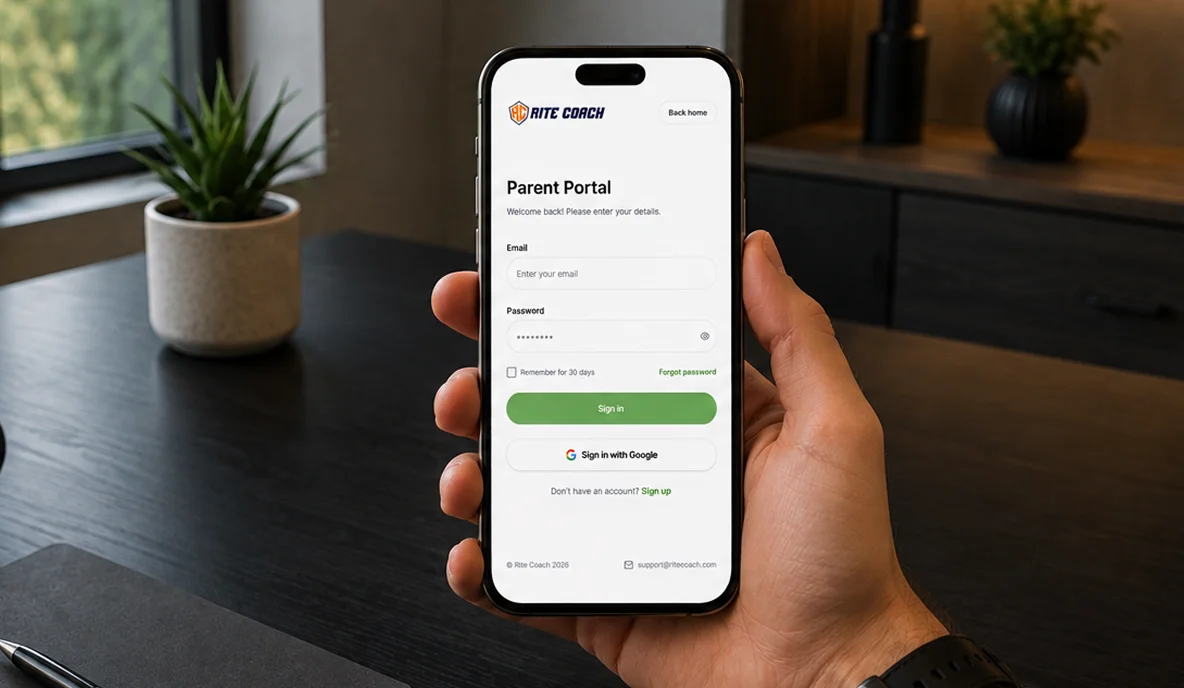
Step 1
Create Your Profile
Parents create a profile and start finding the right coach in seconds.
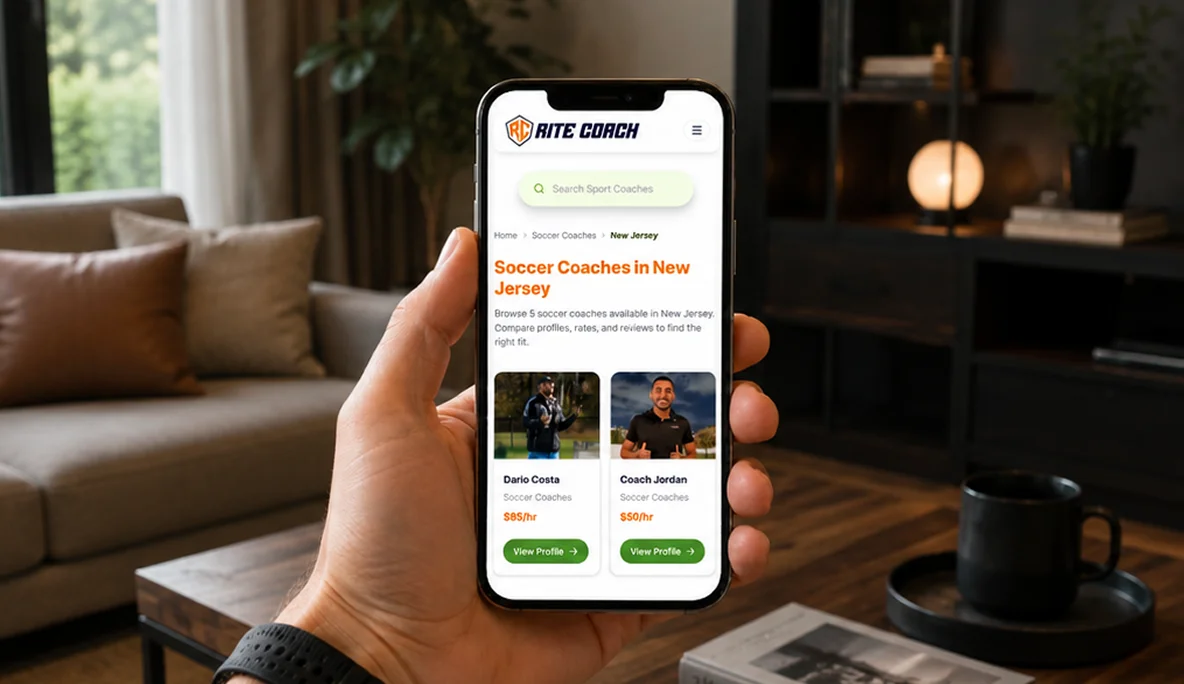
Step 2
Search & Discover
Browse coaches by sport, location, and training focus across New Jersey.
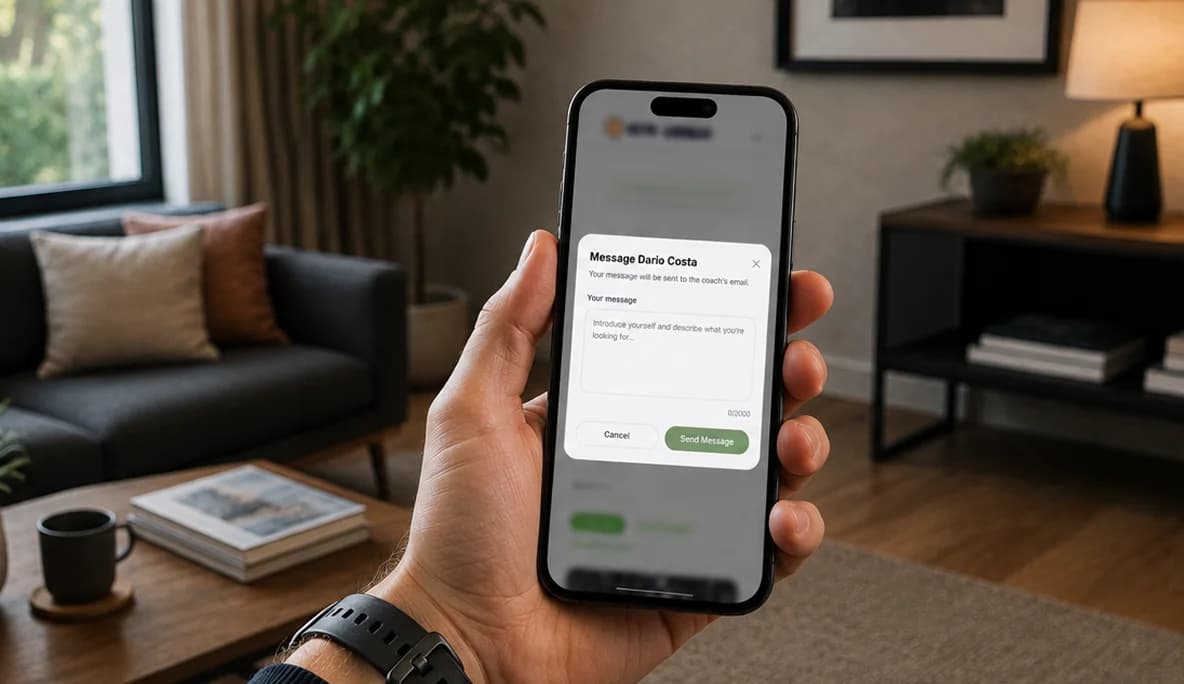
Step 3
Connect Directly
Message coaches directly to discuss goals, scheduling, and fit.
Step 4
Train With Confidence
Choose the coach that fits your child’s needs and take the next step in their development.
Frequently Asked Questions
Common questions about track & field coaching in Camden County, NJ.
Browse the coaches listed for Camden County, open a profile, and read which events the coach works with, the ages they train, where they hold sessions and their hourly rate. Then contact the coach directly from the profile. A useful first message gives your athlete's age, school and grade, main events, current times or marks if they have them, and which days you can make.
Each coach sets their own rate and shows it on their profile, so there is no single county price. Rite Coach takes no commission and charges no booking fee, and you pay the coach directly. Before the first session, ask whether the rate covers any track, gym or turf rental, or whether that is added on top, especially for winter sessions indoors.
Not necessarily. Coaches are listed by their home town, not by every track or park they travel to, so one listing can cover athletes from several towns. The coach on this county page is based in Cherry Hill, and the Cherry Hill track and field page shows the same listing. Track coaches are still scarce on Rite Coach in South Jersey, and the other track coaches in the state are based in North Jersey, in Wayne and Linden. Check the New Jersey track and field page for new listings, and check back as more coaches join.
It depends on the coach, and each profile lists the age groups they train. Many private track coaches focus on middle school and high school athletes, because that is when event technique and training plans start to matter. Younger children usually get more from general running, jumping and throwing games than from event specialization, and a good coach will say so.
Most sessions start with a dynamic warm-up and drills, such as skips, high knees and strides, then move to the main work for that day. For a sprinter that might be starts and acceleration, for a hurdler rhythm over lowered hurdles, for a jumper approach runs, and for a distance runner a structured workout or a form check. Sessions often end with mobility or simple strength work. A good coach explains what each part is for and gives the athlete one or two things to remember before the next session.
Most coaches are strongest in a few events, not all of them. Sprints and hurdles share some mechanics, distance running is its own world, and the jumps and throws are technical specialties that need a runway, a pit or a throwing circle. A coach who ran distance may not be the right choice for a shot putter. Read each profile for the events listed, and ask a coach directly which events they have competed in or coached, and what their athletes in those events have gone on to do.
Carefully. A high school athlete in Camden County who runs cross country, indoor and outdoor track can train from late summer through June with only short breaks. During the school season the team's plan comes first, and private sessions work best as technical work that adds little extra mileage or fatigue. The summer and the short gaps between seasons are when private coaching can do the most. Tell a coach about your athlete's school schedule at the start, and ask how they would keep the two plans from conflicting.
Usually on a school or park track, at a park with grass and paths, or in a gym or turf space for drills and strength work. Cooper River Park is a common spot for distance runners because of its loop around the river. School tracks are controlled by each district, and some limit public use during the school day, team practice or paid instruction. Each profile says where the coach runs sessions. Ask whether the coach has permission to train at that location, and whether any rental is added to the rate.
Comfortable running clothes, a pair of trainers for warm-ups, and spikes if the coach plans event work on the track. Bring water, and a snack if the session is right after school. Winter sessions need layers, gloves and a hat, since even sprint workouts include plenty of standing around between reps. Let the coach know about any injury, asthma or other medical condition before you start, and ask whether there is anything to buy.
Watch a session if you can. A good coach gives clear, specific corrections, explains why a drill matters and adjusts when your athlete struggles. Ask about their own background in the sport, which events they coach, and how many athletes your child's age they have worked with. Times and marks should improve over months, not necessarily weeks, and a coach should be able to explain what they are measuring. Be skeptical of promises about scholarships or dramatic drops in times.
For most high school athletes, once a week is enough, and during the school season it can be less. The goal is to add technique and planning, not to stack extra hard workouts on top of team practice. In the summer or between seasons, two sessions a week can make sense for an athlete working on a specific event. Ask a coach how often they would recommend for your athlete's age, events and current schedule.
Yes, and it is often a good time to start, as long as the goal is learning to move well rather than racing every session. A coach can teach sprint mechanics, basic hurdle drills, how to pace a longer run and how to warm up properly, which gives an athlete a head start when they join a high school team. A middle schooler does not need a college athlete's training plan, and a coach who suggests one is a warning sign.
It can help with the performances that matter, but it is not a recruiting service. College track coaches look at times and marks from official meets, so the work that counts is the work that shows up in races. A private coach can help an athlete improve, plan which meets to enter and talk honestly about which college levels their marks fit. Be wary of any coach who promises a scholarship. Ask whether the coach has worked with athletes who went on to compete in college, and at what level.
Sometimes, but count the real time. Camden County is long from end to end, and roads such as Route 42, Route 70 and Interstate 295 slow down badly at rush hour, which is exactly when most after-school sessions happen. A weekly session that takes forty minutes each way adds up over a season. Ask a coach which days and times they have open before you commit to a package.