
Private Track & Field Coaches & Trainers in Wayne, NJ
Browse 1 track & field coach available in Wayne, NJ. Compare profiles, rates, and reviews to find the right fit.
Private Track & Field Coaches & Trainers in Wayne, NJ
Private Track and Field Coaching in Wayne, NJ
Wayne had about 55,000 residents at the 2020 census and is home to two public high schools, Wayne Hills and Wayne Valley, which gives the township two full track programs and middle school teams feeding them. It also has terrain many New Jersey towns lack.
Read moreRead less
High Mountain Park Preserve, on the township's eastern edge, has steep wooded trails, and the hills around the township give distance runners climbs that flat towns cannot offer. Route 23, Route 46, Interstate 80 and Interstate 287 all cross Wayne, so getting to a session is quick off peak and slow at rush hour. For local athletes, private coaching usually means one of two things: focused technical work in a single event that a crowded team practice cannot give, or a plan that carries a runner sensibly through cross country, indoor and outdoor track without breaking down along the way. Coaches list their background, the age groups they train, their hourly rate, and where they run sessions.
- 1 coach listed
- Message coaches directly, no booking fees
Where to play
165Courts and fields in WayneMap and directionsNearby Track & Field Coaches in Passaic County
How Does a Wayne Runner Fit Private Coaching Into Three Seasons With No Break?
Carefully, and with the school coach in the loop. A runner who does cross country, indoor and outdoor track can train from late summer to June with only a week or two between seasons.
Read moreRead less
Adding private sessions on top risks running two training plans at once, which is a common path to shin splints, stress fractures and burnout in teenage runners. The better use of a private coach is in the summer, in those short gaps, and in sessions that do not add mileage: running form, starts, hurdle drills, a jump approach, or planning the year. The honest caveat is that during the season the school plan comes first, and a private coach who contradicts the team coach puts the athlete in the middle. Ask a coach how they would coordinate with your athlete's school coach before you book.
How it Works
Simple, transparent steps to connect coaches and athletes.
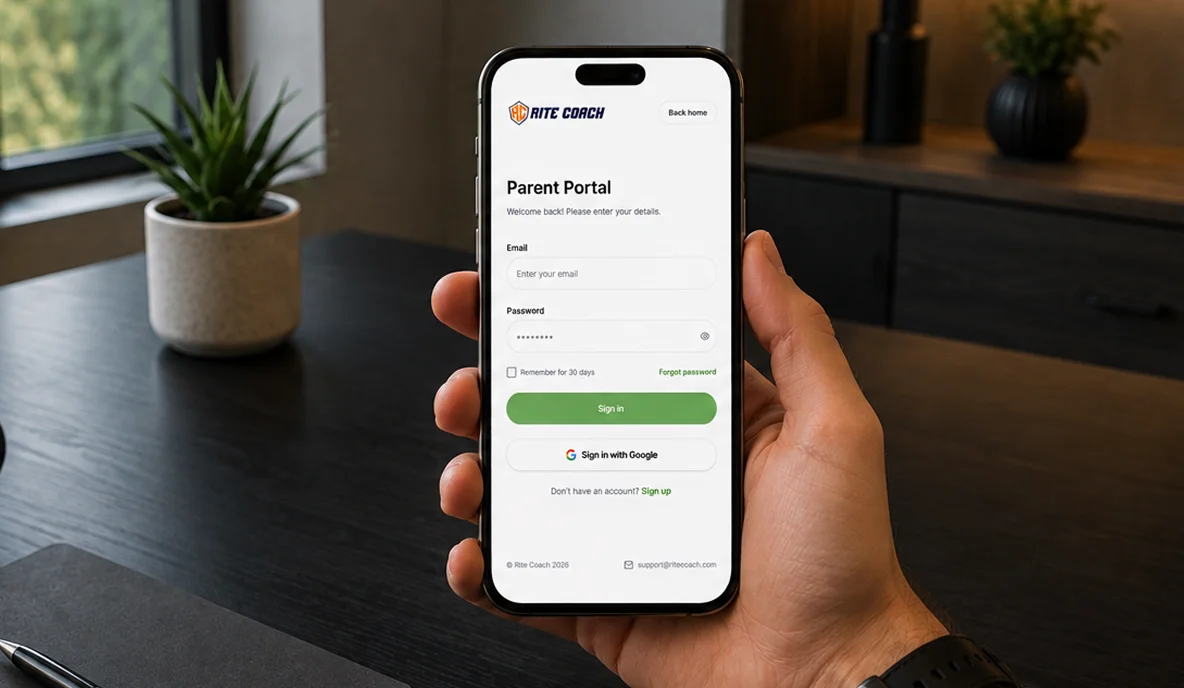
Step 1
Create Your Profile
Parents create a profile and start finding the right coach in seconds.
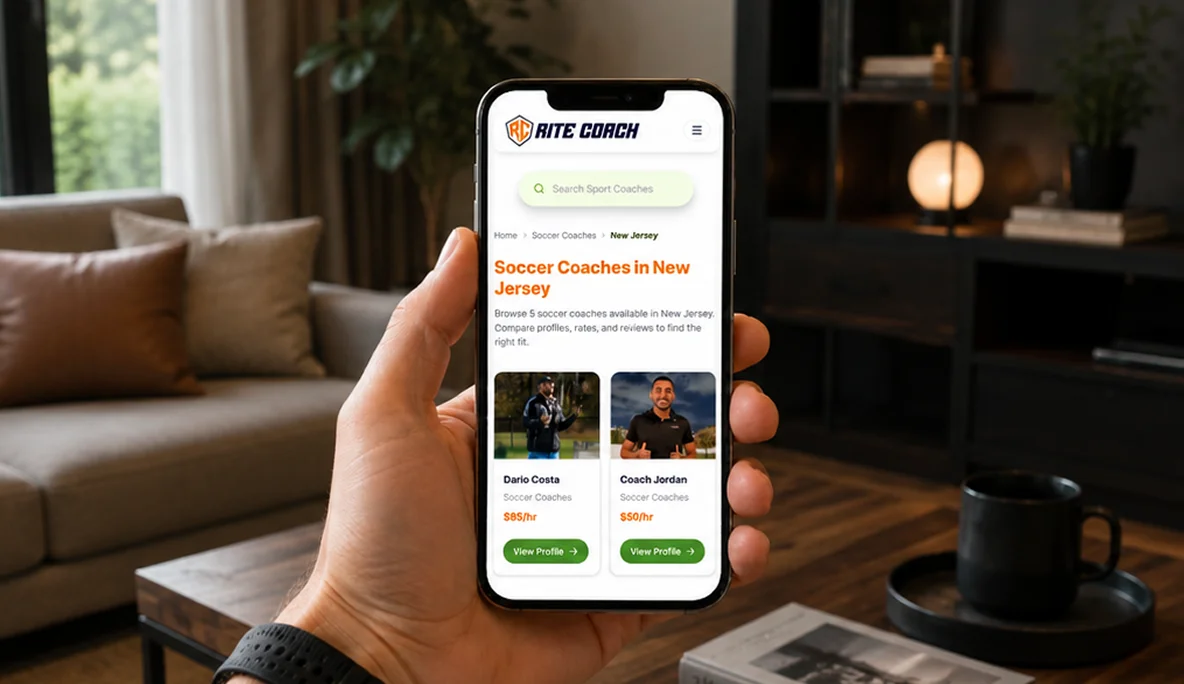
Step 2
Search & Discover
Browse coaches by sport, location, and training focus across New Jersey.
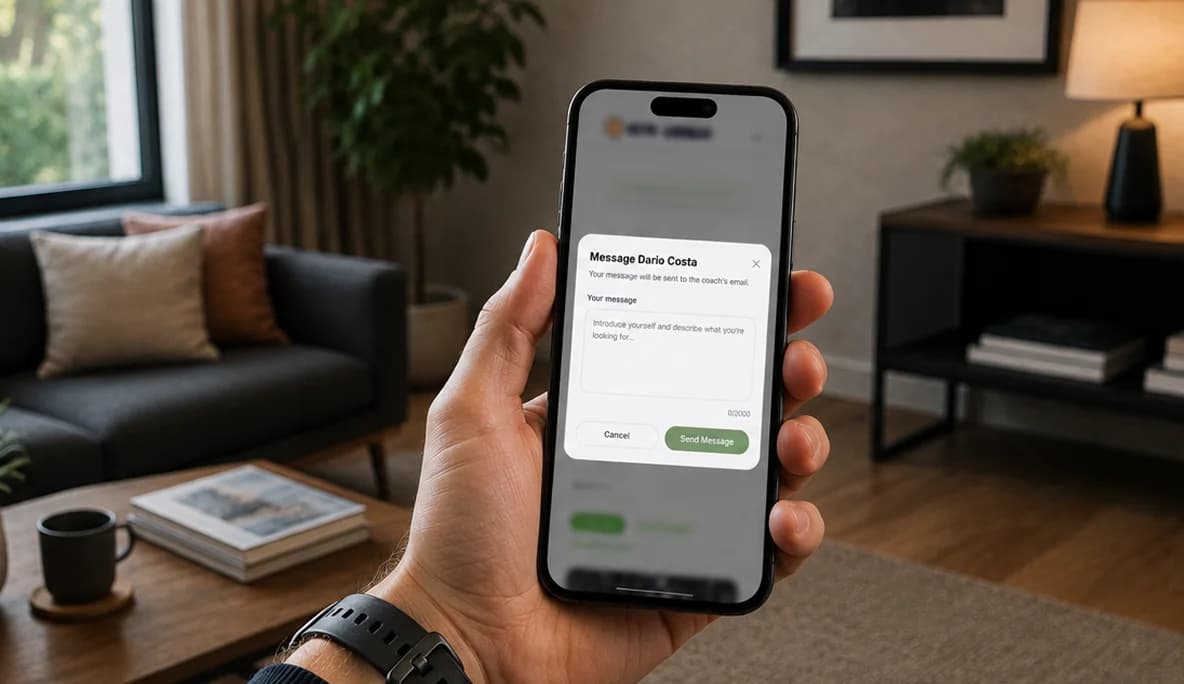
Step 3
Connect Directly
Message coaches directly to discuss goals, scheduling, and fit.
Step 4
Train With Confidence
Choose the coach that fits your child’s needs and take the next step in their development.
Frequently Asked Questions
Common questions about track & field coaching in Wayne, NJ.
Browse the coaches listed for Wayne, open a profile, and check the events the coach works with, the ages they train, where they run sessions and their hourly rate. Contact the coach directly from the profile. In your first message, give your athlete's age and grade, whether they run for Wayne Hills, Wayne Valley or another team, their main events and any recent times or marks, and which days are free.
Each coach sets their own rate and shows it on their profile. Rite Coach takes no commission and charges no booking fee, and you pay the coach directly. Ask whether the rate includes any facility rental, particularly in winter when sessions may move to a gym or indoor space, and whether the coach offers packages, small group rates for teammates or a shorter first session.
Not necessarily. Coaches are listed by their home town, not by every track or trail they use, so a coach based in one town may work with athletes from several. The Passaic County track and field page gathers every listed coach in the county, and it currently shows the same Wayne listing. The nearest other track coach on Rite Coach is in Linden, in Union County, and the third is in Cherry Hill in South Jersey. Check the New Jersey track and field page for new listings as more coaches join.
Each profile lists the age groups the coach works with. Private track coaching is most common for middle school and high school athletes, because that is when technique and a training plan start to pay off. For children under twelve, general running, jumping and throwing games build more than event drills. If your child is young, ask a coach directly whether they train that age group and how sessions would differ.
Most sessions follow a pattern: a warm-up with drills such as skips, high knees and strides, then the main work for the day, then some mobility or simple strength exercises. The main work depends on the event. Sprinters practice starts and acceleration, hurdlers work on rhythm and lead leg, jumpers practice their approach, and distance runners might do a structured workout or a form check. A good coach explains the purpose of each part and leaves the athlete with one or two clear things to practice.
It can. Hills and uneven ground build leg strength, balance and the kind of toughness that shows up late in a cross country race, and trails are easier on joints than pavement. The caveats are practical: rocky footing is risky for a runner with weak ankles or a recent injury, daylight is short in fall and winter, and it is safer to run trails with a partner. A coach who uses trails should plan the effort, not just send the athlete up the steepest climb. Ask how they would mix trails and track.
Plenty, because sprinting is more technical than it looks. Common areas are block starts, the first ten to thirty meters of acceleration, arm action, posture at top speed, and relaxing instead of tightening up in the final stretch. Hurdlers add lead leg, trail leg and the rhythm between hurdles. Much of this can be practiced in short, high quality sessions that do not leave an athlete exhausted. Ask a coach how they would measure progress, such as timed segments or video, and how often they would retest.
Usually at a school or public track, on fields and park paths, on trails for distance runners, or in a gym or indoor space for drills and strength work in winter. School tracks are controlled by the district, and some limit public use during school hours, team practice or paid lessons. Each profile says where the coach runs sessions. Ask whether the coach has permission to train at that location, how they handle winter weather, and whether any rental is added to the session rate.
Running clothes, trainers for warm-ups, and spikes if the coach plans track work. Bring water and a small snack if the session follows school. In the colder months add layers, gloves and a hat, because athletes cool down quickly between reps. For trail sessions, shoes with good grip and a phone for safety are sensible. Tell the coach about any injury, asthma or other health issue before starting, and ask whether they bring equipment such as hurdles and cones or expect anything from you.
Once a week is a common rhythm for high school athletes, and less during a heavy school season. Private work should add skill and planning, not extra hard workouts on top of team practice. Summer and the short gaps between seasons are when two sessions a week can make sense for an athlete chasing a specific goal. Ask a coach how they would change the schedule as the year goes on.
Watch a session or book a single trial before committing to a package. Good coaches give clear, specific corrections, explain why each drill matters, and adjust when an athlete struggles or is sore. Ask about their competitive background, which events they coach, and how many athletes your child's age they have worked with. Expect progress in times and marks over months rather than weeks. Be skeptical of promises about scholarships or huge personal records, and read any reviews from other families on the profile.
Most high school cross country runners in New Jersey start building mileage in June or early July, so they arrive at preseason practice in August ready to train rather than starting from zero. The build should be gradual, with easy running making up most of the week. A private coach can set up that summer plan, especially for a runner whose school team does not run organized summer practices. Ask a coach how fast they would increase mileage, and how they would adjust if the runner feels pain.
Pain that gets worse as a run goes on, pain at a specific spot on the shin or foot, limping, or soreness that lasts more than a few days are all worth taking seriously. Stress injuries are common in teenage runners who add mileage quickly, especially across back to back seasons. A coach is not a doctor, and persistent pain should be checked by one. A good coach will reduce training when an athlete reports pain rather than push through it. Ask how they respond when an athlete says something hurts.
Often it is worth more. Athletes in the middle of a roster usually get the least individual attention at practice, and they have the most room to improve with basic technique and a sensible plan. Private coaching can also help an athlete enjoy the sport more and stay in it longer. The honest caveat is that no coach can promise a varsity spot or a particular time. Ask a coach what realistic progress would look like over one season, and decide from there.