M.H.
Private Volleyball Coaches & Trainers
Work one-on-one with a private volleyball coach. Compare experience, hourly rates, and parent reviews, then reach out directly. No commission, no booking fees.
Currently serving New Jersey
Private Volleyball Coaches & Trainers
Private Volleyball Coaching
Volleyball rewards habits that are hard to see from the bleachers. A passer who swings her arms instead of holding a steady platform, a server whose toss lands somewhere different every time, or a hitter who starts the approach a step late can play for years on a team without anyone stopping to fix it.
Read moreRead less
A team practice usually has one or two coaches, one or two courts, and a dozen players rotating through drills, so individual correction is rare. A private volleyball coach works with one player or a small group, usually on one skill at a time, and corrects it rep by rep. On Rite Coach you can compare volleyball coaches by background and the positions they work with, then contact them directly to set up sessions. There is no commission and no booking fee. Rite Coach currently lists coaches in New Jersey, and volleyball is the newest sport on the site. Coaches list their background, the age groups they train, their hourly rate, and where they run sessions.
- 1 coach listed
- Coaches in 1 counties
- Message coaches directly, no booking fees
Where to play
Browse Volleyball Coaches by Location
All of New JerseySouth Jersey
Coaches are listed in 1 of New Jersey's 21 counties so far. Don't see yours? Search by town above, or open the nearest county listed. New coaches are added every week.
Indoor or Beach: Which Kind of Volleyball Coach Do You Need?
It depends on what your child plays and what they want to fix. Indoor volleyball is six players a side on a hard court, with set positions: setters, outside and middle hitters, opposites, and liberos, each needing different footwork and skills.
Read moreRead less
Beach volleyball is usually two players a side on sand, so every player passes, sets, hits, and serves, and the wind and soft footing change how the ball and the body move. The rules differ too, with tighter calls on hand setting and no open-hand tips on the beach. Indoor coaching is mostly about position skills and team timing; beach coaching is about all-around ball control and reading the conditions. Many coaches teach both, and sand work can sharpen ball control and movement for an indoor player. It does not replace indoor position training, though, and beach coaching is seasonal in most places. Ask a coach which game they mostly teach and what they would focus on first.
How it Works
Simple, transparent steps to connect coaches and athletes.
Step 1
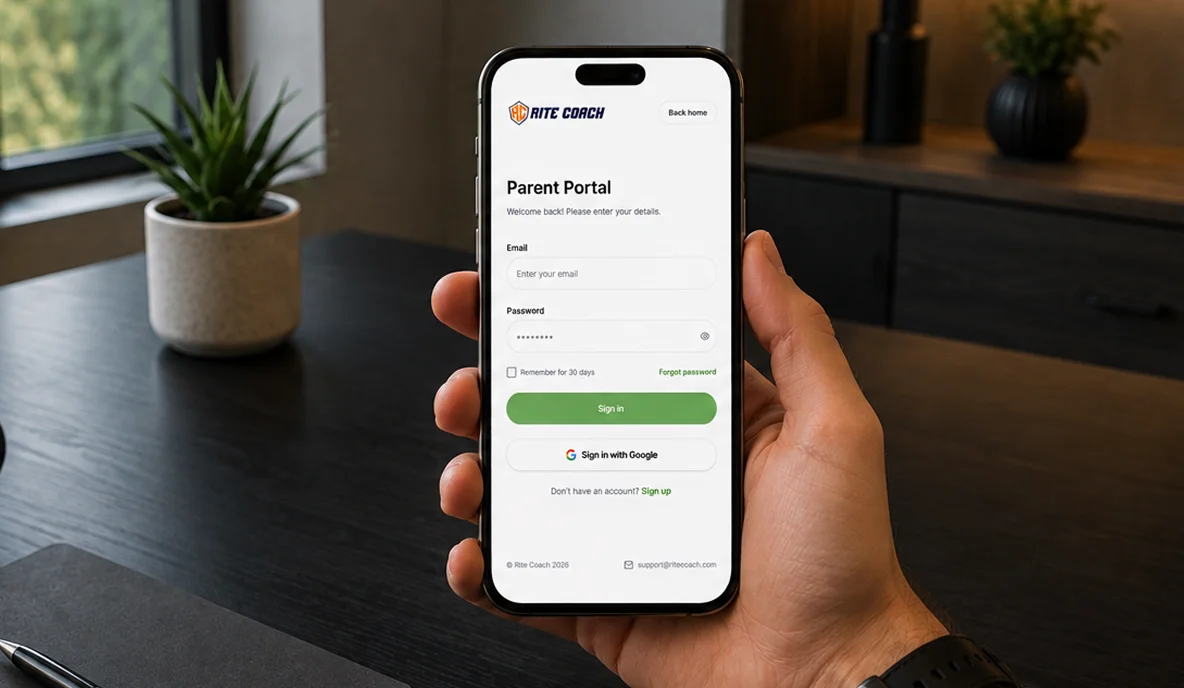
Create Your Profile
Parents create a profile and start finding the right coach in seconds.

Step 2
Search & Discover
Browse coaches by sport, location, and training focus across New Jersey.
Step 3
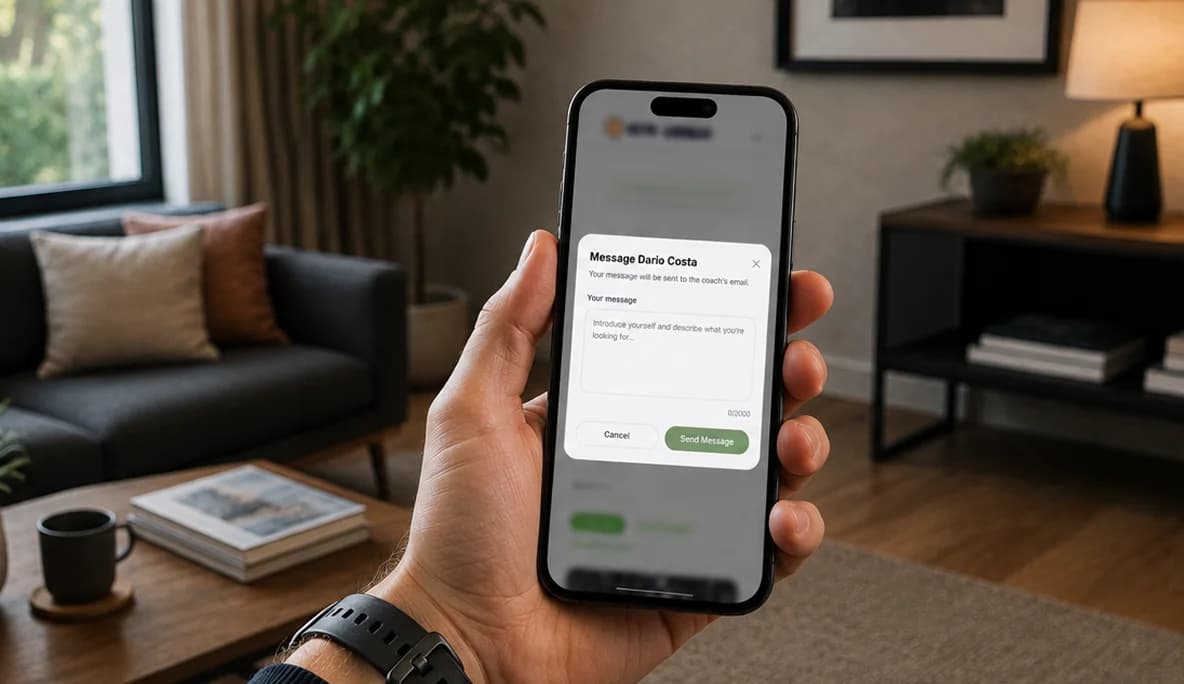
Connect Directly
Message coaches directly to discuss goals, scheduling, and fit.
Step 4
Train With Confidence
Choose the coach that fits your child’s needs and take the next step in their development.
Frequently Asked Questions
Common questions about volleyball coaching in New Jersey.
Browse volleyball coaches on Rite Coach, review their background, the positions and age groups they work with, and contact them directly to arrange private or small-group sessions.
Each coach sets their own rate and lists it on their profile. There is no commission or booking fee. Ask whether gym or court rental is included, since it can sit on top.
Yes. Many coaches start beginners with ready position, forearm passing, and an underhand or simple overhand serve before adding setting and hitting, and they list the ages and levels they teach.
Some do. Groups of two to four suit passing, serving, and setter and hitter timing, while one-on-one suits a technique change that needs constant feedback, like a new arm swing.
Most first sessions are part assessment. The coach watches the player pass, set, serve, and, if they are old enough, hit off a toss, and asks what position they play and what their team coach has said about their game. From there the coach usually picks one or two priorities rather than fixing everything, because changing several habits at once tends to make a player worse for a while. Expect a short list of things to practice before the next session.
Most passing problems start before the ball arrives. A coach looks at ready position, how early the player reads the server, and whether they move their feet to get behind the ball or reach for it with their arms. Then they work on the platform itself: arms joined and straight, angled toward the target, with the legs and shoulders doing the work instead of a big arm swing. Expect a lot of repetition from a coach tossing or serving at different speeds. Passing is the least glamorous skill and usually the one that decides playing time.
Usually the toss. If the toss moves, everything after it has to adjust, so a coach often spends the first part of serving work on a toss that lands in the same spot every time, along with a consistent stance and contact point. Once that holds, players can learn a float serve, which moves unpredictably, or a topspin serve, which drops fast. Jump serves come later, once the standing serve is reliable. Ask the coach which serve suits your child's age and position, since a serve that goes in matters more than one that looks impressive.
Footwork first. A setter has to get to the target spot early, square up, and be balanced before the ball arrives, and many setting errors are really late feet. A coach then works on hand shape, clean contact, and consistent location for the hitters, followed by back sets and setting from off the net when the pass is poor. Older setters also work on decisions, such as reading the block and knowing which hitter to set. Setters touch the ball on almost every rally, so private reps add up quickly for this position.
Most young hitters lose power before they touch the ball. A coach works on the approach steps, usually three or four, so the last two steps are fast and the player converts forward speed into a vertical jump. Then comes timing, meaning when to start the approach relative to the set, and an arm swing that reaches high and contacts the ball in front of the hitting shoulder. Good coaches also watch how the player lands and how many jumps they take, because shoulders and knees take a lot of load in this sport.
Yes, and position work is one of the main reasons families book. A libero or other back-row defender needs serve receive, digging hard-driven balls, and reading hitters. A middle blocker needs quick footwork along the net, timing on fast sets, and blocking hands that press over the net. Outside hitters need passing as well as hitting, since they usually receive serve. Ask a coach whether they have played or coached your child's position, and whether they can bring in a setter or feeder for hitting work so the reps look like a real game.
Coaches commonly take children from around eight to ten, often with a lighter ball and a lower net so they can pass and serve without hurting their arms or getting discouraged. Lessons at that age should be short and built around contact, movement, and simple games rather than detailed mechanics. Middle school is when many players join their first school or club team, and private lessons before then can give them the basics a team practice moves past quickly. Each coach lists the age groups they train, so check before you contact them.
Ask about their playing and coaching background, especially at your child's position, and whether they mostly teach indoor or beach. Ask where sessions take place, whether that location stays the same through the year, and how they explain corrections, since some players learn from video and others from feel. Profiles list experience, the age groups they train, and family reviews. Most families book a single session first, and a good one should end with the player able to say what they changed and how to practice it.
Not yet. Volleyball is the newest sport on Rite Coach, and coaches are being added across New Jersey. Coaches are also listed by their home town, not every place they train, and volleyball coaches often travel to whichever gym or beach court they can book. Check the county pages as they fill in, from Bergen and Middlesex in the north and center to Monmouth and Ocean along the Shore, read each profile for where sessions take place, and contact a coach directly to ask whether they can train near you.
More than you might expect without a net. Passing or setting against a wall builds control and consistent contact, and setting to yourself while standing still, then while moving, trains hand shape and footwork. A player can practice their serving toss alone, letting the ball drop to check it lands in the same spot. Approach footwork can be rehearsed in a driveway without jumping every time. Ask the coach for a ten-minute routine tied to what you are working on, and keep jumping volume modest, since knees need recovery between practices.