SafeSport Training and Background Checks: What Private Youth Coaches Need
Parents hiring a private coach are trusting someone with their child, often one-on-one and often in places without other adults around. Increasingly, they ask direct questions: Have you had a background check? Are you SafeSport trained? What are your policies for one-on-one sessions?
Coaches who can answer clearly build trust quickly. Coaches who cannot often lose the booking without ever learning why.
This guide explains what SafeSport training is, who is actually required to take it, how background checks work for coaches, the safety policies that matter most for private coaching, and how to show families you take protection seriously. Requirements change and vary by organization and state, so confirm current rules with any governing body or organization you work with.
What Is SafeSport?
The U.S. Center for SafeSport is an independent nonprofit created to prevent and respond to abuse in sport. Federal law passed in 2017 gave it authority over the Olympic and Paralympic movement in the United States, including national governing bodies like USA Wrestling, USA Basketball, and U.S. Soccer, and their member organizations.
The Center provides training on recognizing, reducing, and responding to misconduct, including sexual, physical, and emotional abuse, bullying, and harassment. It also sets policies for how adults interact with minor athletes and investigates certain reports.
Who Is Required to Take SafeSport Training?
This is where coaches get confused. Requirements generally depend on your affiliation, not your job title.
- Coaches affiliated with national governing bodies. If you coach through an organization that is a member of a sport's national governing body, you are typically required to complete SafeSport training, often with a periodic refresher.
- Coaches working through clubs, leagues, and other youth organizations. Many require SafeSport or similar abuse prevention training as a condition of coaching, even when they are not strictly required to.
- Independent private coaches. If you train athletes privately with no organizational affiliation, you may not be required to take it. Many choose to anyway, because families increasingly expect it.
Check with every organization you coach for. If you are unsure, completing the training is the safer and more credible choice.
What the Training Covers
SafeSport's core training generally addresses:
- How abuse and misconduct happen in sport, including grooming behaviors
- Recognizing warning signs
- Mandatory reporting obligations
- Emotional and physical misconduct, bullying, and harassment
- Appropriate boundaries between adults and minor athletes
Most coaches complete it online. Access and cost can depend on whether you register through an affiliated organization, so check your governing body first.
Background Checks for Coaches
A background check is a separate step from training. Many governing bodies, clubs, and leagues require one, and parents often ask for proof.
A typical coaching background screen may review criminal records and sex offender registries, and some include identity verification. The scope depends on the provider and the organization requesting it. Some organizations require screening through a specific provider and renew it on a regular schedule.
For independent private coaches, a few practical points:
- If you are affiliated with a governing body or club, the screening they require may be sufficient for parents who ask.
- If you coach independently, consider obtaining a screening through a reputable provider so you can confirm to families that you have had one.
- Keep documentation of the date and scope, and renew it periodically.
New Jersey Considerations
New Jersey has laws affecting youth sports. For example, state law provides certain liability protections to volunteer youth coaches who complete approved safety orientation and training, and many New Jersey recreation programs require that training for their volunteers. Requirements for school coaches, recreation programs, and private coaches differ, and they change over time. If you coach in New Jersey, confirm what applies to you with the organizations you work with, and consider speaking with an attorney about your specific situation.
Safety Policies That Matter Most in Private Coaching
Training and a background check are important, but daily practices are what actually protect athletes and coaches. SafeSport's Minor Athlete Abuse Prevention Policies set standards for organizations under its authority, and many of those principles are good practice for any coach working with children.
Keep One-on-One Time Observable and Interruptible
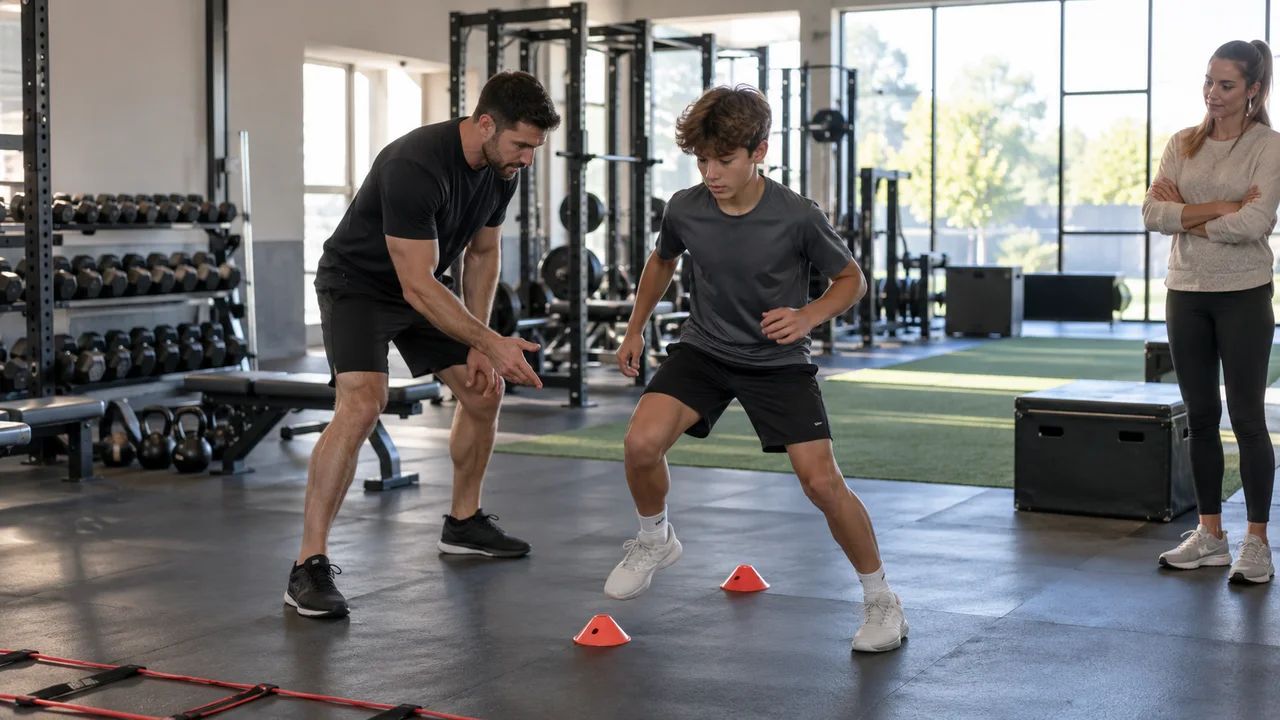
This is the most important principle for private coaches. One-on-one sessions should happen where other adults can see and walk in, such as an open gym, a public field, or a home with a parent present. Avoid closed rooms, isolated locations, or situations where no other adult could observe.
Set Communication Boundaries
- Communicate with minors through parents, or include a parent on messages.
- Keep communication focused on scheduling and training.
- Avoid private social media messaging with minor athletes.
- Do not communicate late at night.
Handle Transportation Carefully
Avoid transporting a minor athlete alone. If it is ever unavoidable, get advance permission from a parent.
Be Thoughtful About Physical Contact
Some coaching requires touch, such as adjusting a stance or spotting a movement. Explain what you are doing, keep contact brief and relevant to instruction, and ask permission when appropriate.
Know Your Reporting Obligations
Coaches may have legal obligations to report suspected child abuse, and organizations under SafeSport have specific reporting requirements. Know what applies to you before you ever need it.
Put Your Policies in Writing
A short written policy shared with every new family does several things at once. It sets expectations, shows parents you take safety seriously, and protects you if a misunderstanding ever arises. It can cover:
- Where sessions take place and who may observe
- How you communicate with athletes and parents
- Your approach to physical contact during instruction
- Your cancellation and pickup expectations
- Your training and background check status
Pair it with a signed liability waiver and appropriate insurance. For the insurance side, see our guide to liability insurance for private sports coaches, including why abuse and molestation coverage matters for coaches who work with minors.
Turn Safety Into Trust
Safety practices are about protecting athletes first. They also happen to be one of the clearest signals of professionalism a private coach can send. A parent comparing two coaches with similar experience will usually choose the one who explains their safety practices without being asked.
Mention your training, background screening, and policies in your coach profile and in your first conversation with families. For the wider setup, from rates to getting found, read how to become a private youth sports coach in New Jersey, and when you are ready, create your coach profile on Rite Coach.
Frequently Asked Questions
Is SafeSport training required for private coaches?
It depends on your affiliations. Coaches under national governing bodies are generally required to take it. Independent private coaches may not be, but many complete it because families expect it.
How often does SafeSport training need to be renewed?
Organizations under SafeSport's authority generally require periodic refresher training. Check the current requirement with your governing body.
Can a parent watch private sessions?
Yes, and for young athletes it is often encouraged. Observable sessions protect both the athlete and the coach.
Does a clean background check mean a coach is safe?
No screening is a guarantee. A background check only shows what appears in the records it searches. That is why observable sessions, clear communication boundaries, and written policies matter just as much as the check itself, for families and for coaches.
Where can I find the official SafeSport requirements?
Start with the U.S. Center for SafeSport and the national governing body for your sport, which publish their current training and policy requirements.