Sports Coaching Certifications: Which Ones Matter for Private Coaches
Search for coaching certifications and you will find everything from free thirty-minute online courses to multi-level programs that take years. Some carry real weight with parents, clubs, and schools. Others mostly carry weight with the organizations selling them.
For private youth sports coaches, the practical question is not "Which certification is best?" It is "Which credentials make me safer, better at teaching, and more trusted by the families and facilities I work with?" This guide sorts the options into tiers, explains what each type of credential actually signals, and helps you decide where to spend your time and money.
A quick note on searches: "coaching certification" also returns life coaching and business coaching programs. This guide is only about sports coaching.
Do Private Coaches Need a Certification?
There is generally no universal license required to coach sports privately in the United States. A former college player can start giving lessons without any formal credential.
That does not make certifications meaningless. They matter in three ways:
- Access. Clubs, leagues, schools, and some facilities require specific certifications before you can coach for them or use their space.
- Trust. Parents comparing unfamiliar coaches look for signals of safety and professionalism.
- Competence. Good courses genuinely improve how you teach, especially if your background is playing rather than coaching.
Playing experience and certifications answer different questions. Playing experience shows you know the sport. Certifications show you have learned how to teach it and keep athletes safe.
Tier 1: Safety Credentials Every Youth Coach Should Have
If you do nothing else, do these. They are usually inexpensive or free, quick to complete, and the first things many parents and organizations ask about.
CPR, AED, and First Aid
Certification in CPR, automated external defibrillator use, and basic first aid, from an established provider such as the American Red Cross or the American Heart Association. It needs periodic renewal. Many schools and organizations require it for coaches, and it is the credential you most hope never to use.
Concussion Training
Concussion recognition and response training, such as the free HEADS UP courses from the CDC. You learn to recognize signs of a concussion, remove an athlete from activity, and understand return-to-play protocols. For contact sports it is essential, and it is valuable for every sport.
Abuse Prevention Training and Background Screening
SafeSport or similar training, plus a background check, is increasingly expected of anyone who coaches minors. This area has its own rules about who is required to complete what, so we cover it separately in our guide to SafeSport training and background checks for youth coaches.
Tier 2: General Coaching Education
These build teaching skills that apply across sports.
NFHS Coach Education
The National Federation of State High School Associations offers online courses through NFHS Learn, including a fundamentals of coaching course and a range of sport-specific and safety courses. Many state associations and schools use these for high school coach requirements, which makes them useful if you want to coach at the school level too.
Positive Coaching Alliance
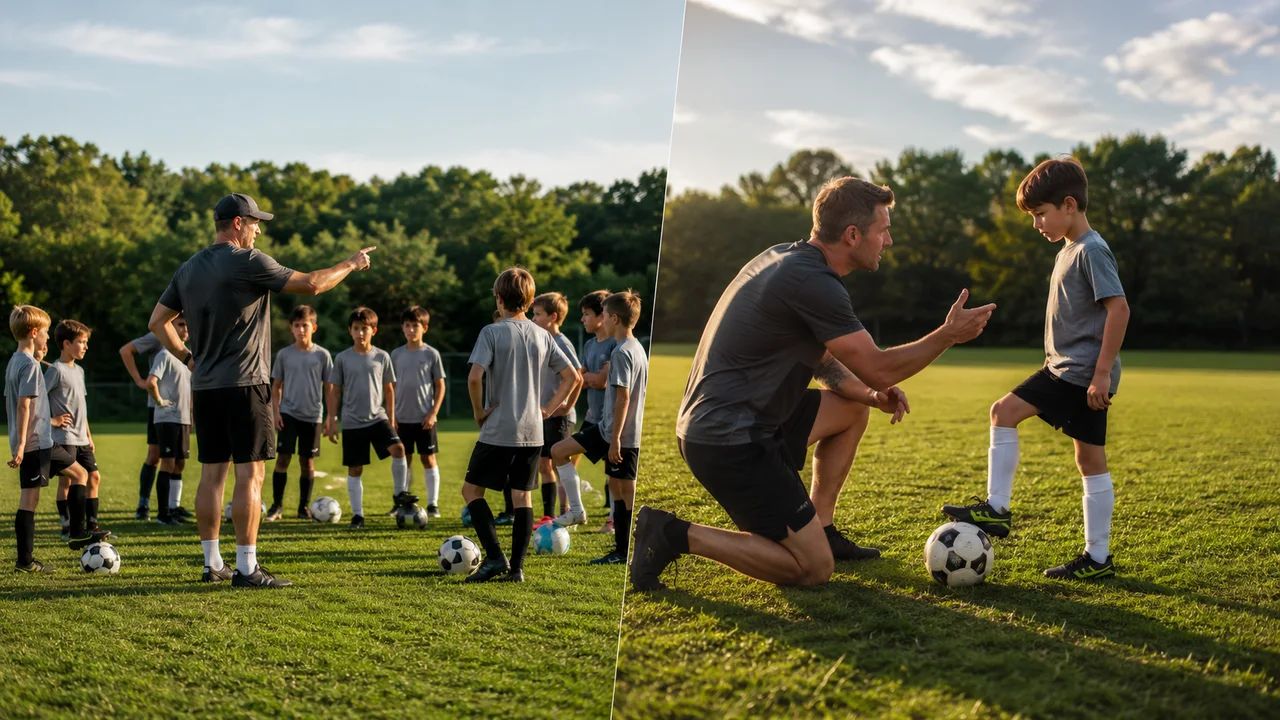
The Positive Coaching Alliance offers workshops and online courses focused on youth sports culture, communication, and building character through sport. It is less about technique and more about how you coach, which is often exactly what parents care about.
Tier 3: Sport-Specific Certifications
Sport-specific credentials, usually offered by a sport's national governing body, carry the most weight with clubs and informed parents in that sport. A few examples:
- Soccer. U.S. Soccer offers a grassroots coaching pathway, with entry-level courses organized by the format of the game, leading to more advanced licenses.
- Basketball. USA Basketball offers a coach license that combines coaching education with safety requirements.
- Football. USA Football offers coach certification focused on fundamentals and player safety, including tackling and contact progressions.
- Wrestling. USA Wrestling offers a tiered coaching certification program, which is typically required to coach at sanctioned events.
- Baseball. USA Baseball and other baseball organizations offer coaching education, and many leagues have their own required courses.
Program names, levels, costs, and requirements change regularly, so check the current details directly with each governing body before enrolling.
For private coaches, entry and intermediate levels usually offer the best return. The highest levels are designed for coaches working at elite or professional levels, and they require significant time and cost.
Tier 4: Strength, Conditioning, and Training Credentials
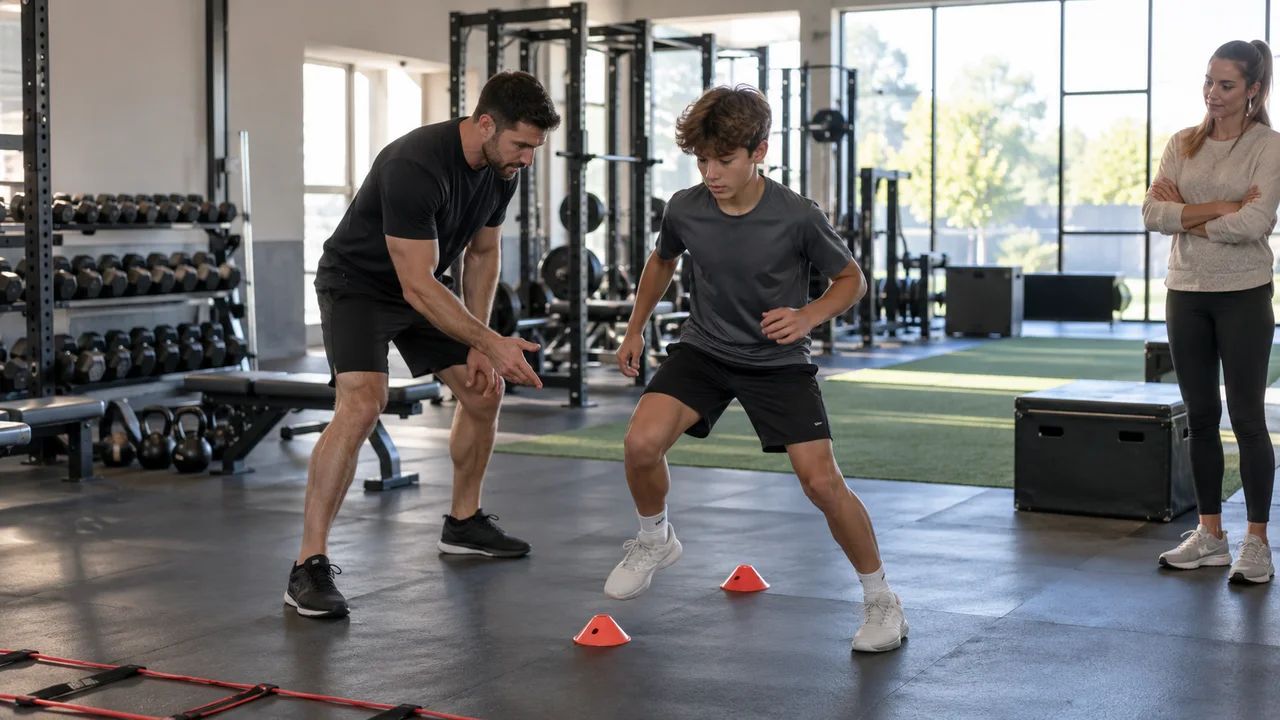
If your work includes strength training, speed development, or general fitness for athletes, these credentials are relevant.
- Certified personal trainer programs from accredited organizations cover exercise science, program design, and safety. They are useful if you train athletes on strength and conditioning, not just sport skills.
- Strength and conditioning specialist certifications, such as the NSCA's CSCS, are well respected for working with athletes. Some have educational prerequisites, such as a bachelor's degree.
- Youth-specific training credentials focus on the physical development of younger athletes and the adjustments they need.
If you offer strength or conditioning sessions to young athletes, a credential in this area also strengthens your conversation with insurers and parents.
How to Choose Where to Start
- Cover the safety basics first. CPR, AED, and first aid, concussion training, and abuse prevention training with a background check.
- Add your sport's entry-level certification. This is the most relevant credential for your specific clients.
- Check what your market requires. Ask the clubs, leagues, and facilities you want to work with what they expect.
- Fill your biggest gap. If you played at a high level but never coached, prioritize teaching and youth development courses. If you coach skills but athletes ask for strength work, consider a training credential.
- Keep everything current. Expired certifications can be worse than none, because they suggest carelessness.
How to Present Your Credentials
Credentials only help if families see and understand them. A few tips:
- List safety credentials prominently. Parents often care about them more than coaching levels.
- Translate credentials into plain language. Rather than an acronym alone, say what it means for the athlete.
- Pair credentials with experience. "Certified coach with eight years training middle school players" is more compelling than either on its own.
- Keep documentation handy for facilities and organizations that ask for proof.
- Do not overstate. Listing an expired certification or implying a credential you do not hold damages trust fast.
Certifications Are One Piece of the Picture
Parents choose coaches based on a combination of factors: experience, reviews, communication, rates, safety practices, and credentials. A certification will not make up for poor teaching, and a great coach without a long list of certificates can still build a strong practice. But the right credentials remove doubt at the moment a parent is deciding, and that matters.
For the full setup, including insurance, rates, and getting found, read our guide on how to become a private youth sports coach in New Jersey. On Rite Coach, coaches can share their background and credentials, the ages they train, and their rates, so families can compare and contact them directly. Create your coach profile.
Frequently Asked Questions
What is the most important certification for a youth coach?
CPR, AED, and first aid, along with concussion and abuse prevention training. Safety credentials matter most when coaching minors.
Are online coaching certifications legitimate?
Many are. Courses from national governing bodies and established organizations like NFHS are widely recognized. Be cautious with programs that mainly sell the certificate.
Do I need a certification to charge for private lessons?
Generally not, but clubs, facilities, and insurers may require specific credentials, and families often ask.