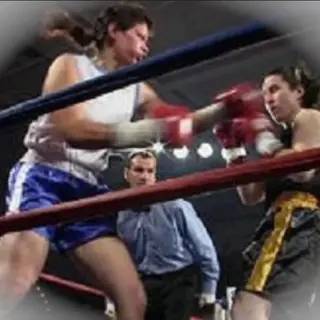
Private Boxing Coaches & Trainers in Morris County, NJ
Browse 1 boxing coach available in Morris County, NJ. Compare profiles, rates, and reviews to find the right fit.
Private Boxing Coaches & Trainers in Morris County, NJ
Private Boxing Coaching in Morris County
Morris County stretches from the dense corridor around Morristown, Parsippany and Dover out to the farms and hills of Chester, Mendham and Long Valley. With 39 towns and Interstates 80 and 287 crossing it, a short drive on a map can mean half an hour at rush hour.
Read moreRead less
Boxing here is mostly fitness and confidence rather than competition. Families book it for conditioning, coordination, and the discipline of learning to throw a correct punch, and adults book it as a workout that never gets boring. Private training means the hour is built around one athlete: stance, guard, footwork, combinations on the pads, and conditioning at the right pace, usually with no sparring at all. Some coaches teach in a gym, others travel to homes or parks with pads and gloves. Coaches list their background, the age groups they train, their hourly rate, and where they run sessions.
- 1 coach listed
- Coaches in 1 towns
- Message coaches directly, no booking fees
Where to play
1,328Courts and fields in Morris CountyMap and directionsBrowse Boxing Coaches by Town in Morris County
Boxing Coaches in Nearby Counties
Other Sports Coaches in Morris County
Should You Hire a Private Boxing Coach or Join a Boxing Gym?
It depends on what you want from boxing, and the honest answer is that both have a place. A gym membership gives you equipment, classes, and other people to train around, but in a busy class one coach may watch twenty people, and bad habits in stance and guard can settle in unnoticed.
Read moreRead less
A private coach watches every punch, corrects technique in real time, and sets the pace for a nervous beginner or a young child. Many people do both: a few private sessions to learn the basics properly, then classes for volume. Private sessions cost more per hour than a class, so ask a coach what a short block of sessions would cover and how they would hand you on to group training if that is the plan. For children, private or small-group sessions are often the easier start.
How it Works
Simple, transparent steps to connect coaches and athletes.
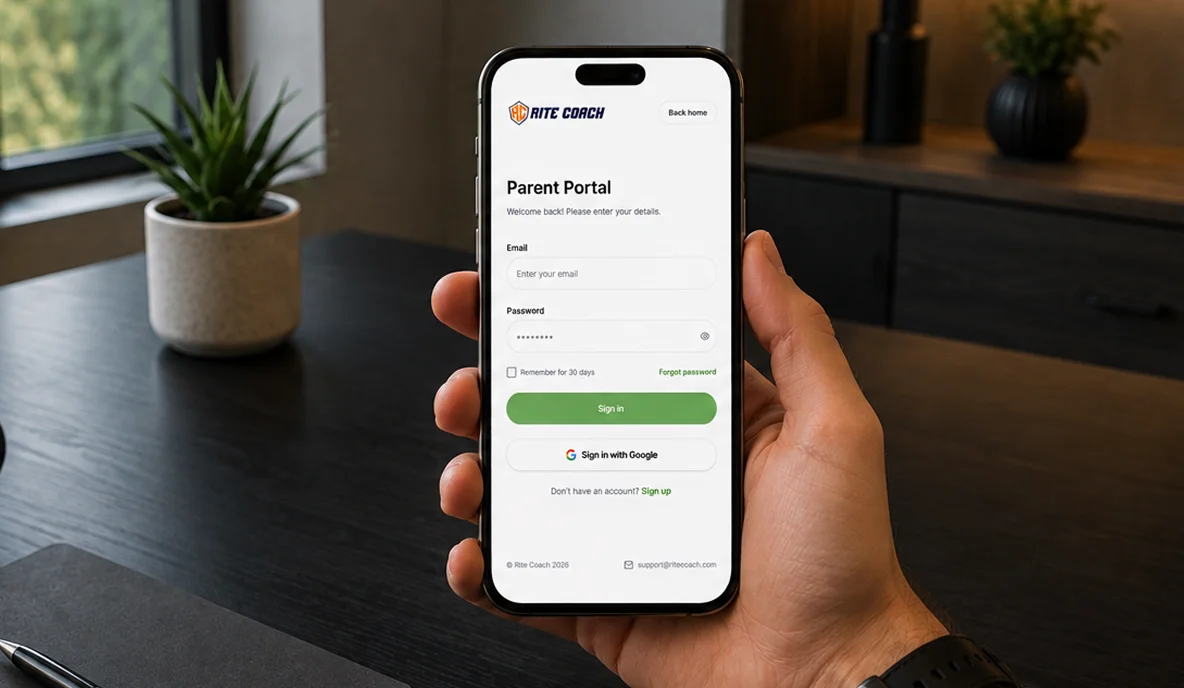
Step 1
Create Your Profile
Parents create a profile and start finding the right coach in seconds.
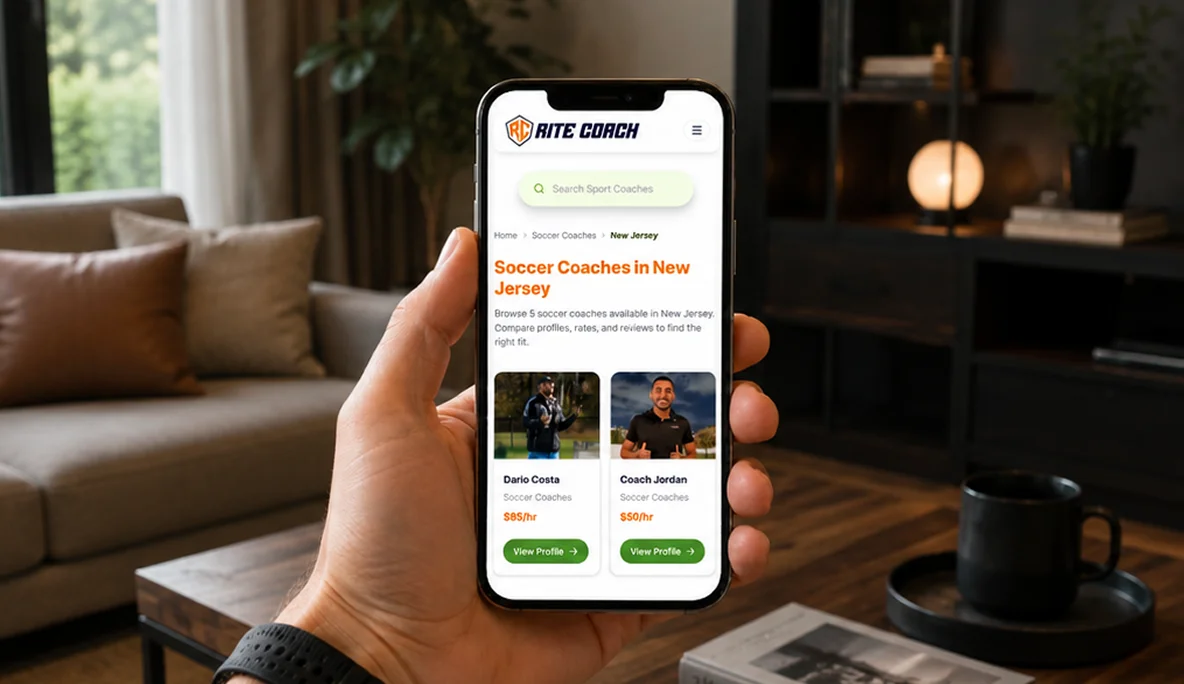
Step 2
Search & Discover
Browse coaches by sport, location, and training focus across New Jersey.
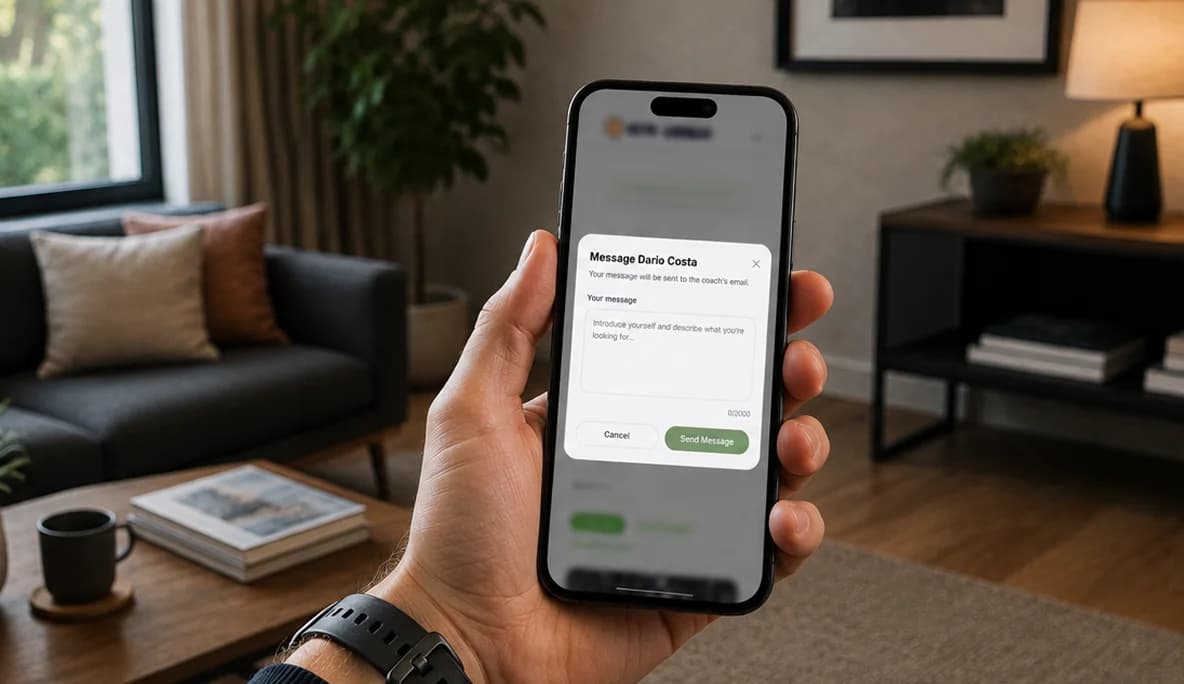
Step 3
Connect Directly
Message coaches directly to discuss goals, scheduling, and fit.
Step 4
Train With Confidence
Choose the coach that fits your child’s needs and take the next step in their development.
Frequently Asked Questions
Common questions about boxing coaching in Morris County, NJ.
Each coach sets their own hourly rate and lists it on their profile. Rite Coach takes no commission and adds no booking fee, so you arrange the rate directly with the coach. Ask whether gym fees or travel costs sit on top of it.
The coach listed here trains children from about age 4 through teenagers and adults. Check the profile for the exact age groups before you message.
Usually not. Private sessions for beginners and young athletes focus on technique, pad work, bag work and conditioning. Sparring, if it ever happens, comes much later and only with a coach who knows the athlete well.
Many coaches bring pads and loaner gloves for the first sessions. Once training is regular, your own gloves and hand wraps are more hygienic and fit better. Ask the coach what size and weight to buy.
No. Rite Coach lists coaches by the town they are based in, not every town they serve, and boxing coaches often travel. The coach listed here is based in Chester Township, in the western part of the county, but may train clients in other Morris towns. Coaches in neighboring Somerset, Sussex, Passaic and Essex counties may also cover parts of Morris County, especially along Route 10, Route 46 and Route 24. Ask any coach directly how far they travel. As more boxing coaches join, they will appear on this page, so it is worth checking back.
Often, yes. Private boxing gives a child a clear, structured skill to work on with one adult who pays attention to them, without a crowd watching. Hitting pads well is satisfying, and progress is easy to see from week to week, which builds confidence in a way that carries over to school and team sports. A good coach starts slowly, keeps it playful for younger kids, and never pushes contact. If your child is nervous, tell the coach before the first session and ask how they handle a beginner who needs time. One trial session will tell you a lot.
Yes. Many people who book boxing are adults looking for a demanding workout, a way to relieve stress, or a skill they always wanted to learn. Private training lets a coach adjust the intensity to your fitness level and watch for injuries, which matters if you have not trained in years. Expect a mix of footwork, technique on the pads, bag rounds and conditioning. Tell the coach about any back, shoulder or wrist problems before you start, and ask how they build up the pace over the first few weeks so you do not overdo it.
It varies by coach. Some teach at a boxing or fitness gym, some rent space by the hour, and some travel to clients with pads, gloves and a timer, training in a garage, a basement, or a park when the weather allows. Each profile says where that coach runs sessions. In a county this spread out, location matters for how often you will actually go, so pick a setup that fits your week. A coach who comes to you can save a drive across Route 10 at rush hour, which makes weekly sessions easier to keep.
Once or twice a week is plenty for most beginners. Boxing is hard on the shoulders, wrists and legs at first, and the body needs time to adapt. Between sessions, a coach may give shadowboxing, footwork drills or jump rope to practice at home for ten or fifteen minutes. That practice is where much of the early progress comes from. After a few months, some people add classes for extra volume or increase to more private sessions if they are preparing for something specific. Ask a coach to set a simple plan for the first eight weeks.
Comfortable athletic clothes, supportive sneakers with flat soles, and a water bottle. Skip jewelry, and tie back long hair. Running shoes with thick heels can make footwork awkward, so flat trainers or court shoes work better. Bring a small towel, since boxing is sweatier than most people expect. If the coach does not provide them, you will need hand wraps and gloves, and the coach can tell you what size to get. For a child, mention any asthma, allergies or past injuries to the coach before the session starts.
Yes, and it is a common reason families book. Boxing builds footwork, balance, hand speed, core strength and conditioning that carry over to basketball, soccer, football, wrestling and lacrosse. Many athletes add a weekly boxing session in their offseason for that reason. Tell the coach what sport your child plays and when the season starts, so they can plan the workload and avoid adding fatigue in the middle of a busy season. A good coach will adjust sessions toward footwork and conditioning rather than fight preparation.
Open the coach's profile and use the Contact button. In a few lines, say who will be training, their age and experience, what they want from boxing, and which days and times suit you. Mention your town so the coach can tell you whether they will travel to you or where you would meet. The coach replies on Rite Coach and you get an email when they do. There is no booking fee or commission, so once you find a fit you arrange sessions and payment directly.
For non-contact private training, there is no formal requirement, but it is sensible to check with your pediatrician if your child has asthma, a heart condition, a recent concussion, or joint problems. Competitive amateur boxing is different: sanctioning bodies set their own medical, age and safety rules, and a coach can explain them if your child ever wants to compete. Most families never get near that point. Tell the coach about any medical issue before the first session, and ask how they adjust training around it.
Most first sessions start with a short warm-up, then the basics: stance, guard, and how to move your feet without crossing them. Then the jab, the cross, and simple combinations on the pads, with a few rounds on the bag if there is one. The coach will watch how you move and adjust the pace. Expect to finish tired but not wrecked. A good first session ends with the coach telling you what they noticed and what they would work on next, which is a useful way to judge whether the fit is right.