M.H.
Private Volleyball Coaches & Trainers in Atlantic City, NJ
Browse 1 volleyball coach available in Atlantic City, NJ. Compare profiles, rates, and reviews to find the right fit.
Private Volleyball Coaches & Trainers in Atlantic City, NJ
Private Volleyball Coaching in Atlantic City, NJ
Atlantic City sits on Absecon Island, sharing it with Ventnor, Margate, and Longport, with Brigantine across the inlet to the north and the mainland towns of Pleasantville and Egg Harbor Township a short drive across the bay. The city has a long stretch of free public beach along the Boardwalk, and in summer that sand is where a lot of local volleyball happens.
Read moreRead less
The rest of the year the game moves indoors, to school and rec gyms, where court time is shared with every other indoor sport in the city. Private volleyball coaching in Atlantic City follows that rhythm: beach sessions from late spring into early fall, gym work through the fall and winter. A coach who trains on the sand may not have a gym in the colder months, and a coach with steady gym access may be based on the mainland. Coaches list their background, the age groups they train, their hourly rate, and where they run sessions.
- 1 coach listed
- Message coaches directly, no booking fees
Where to play
58Courts and fields in Atlantic CityMap and directionsNearby Volleyball Coaches in Atlantic County
Where Do Atlantic City Players Train Once Beach Season Ends?
That is the hard part. From late spring to early fall, a net on the sand is enough for a private session, and the Atlantic City beaches give a coach plenty of room.
Read moreRead less
Once October arrives, wind and shorter days push most training indoors, where court space on the island is limited. School gyms belong to school teams during the season, and the gyms that rent court time book up quickly in winter. That is why many Atlantic City families end up driving to Pleasantville, Egg Harbor Township, or Absecon for indoor sessions. Before booking, ask a coach where they train in each season, whether gym rental sits on top of their rate, and whether the location changes in winter. If a coach works on the beach all summer, ask about their winter plan before you start, so a player does not lose months of progress between seasons. A coach with a clear answer for both halves of the year is easier to stick with.
How it Works
Simple, transparent steps to connect coaches and athletes.
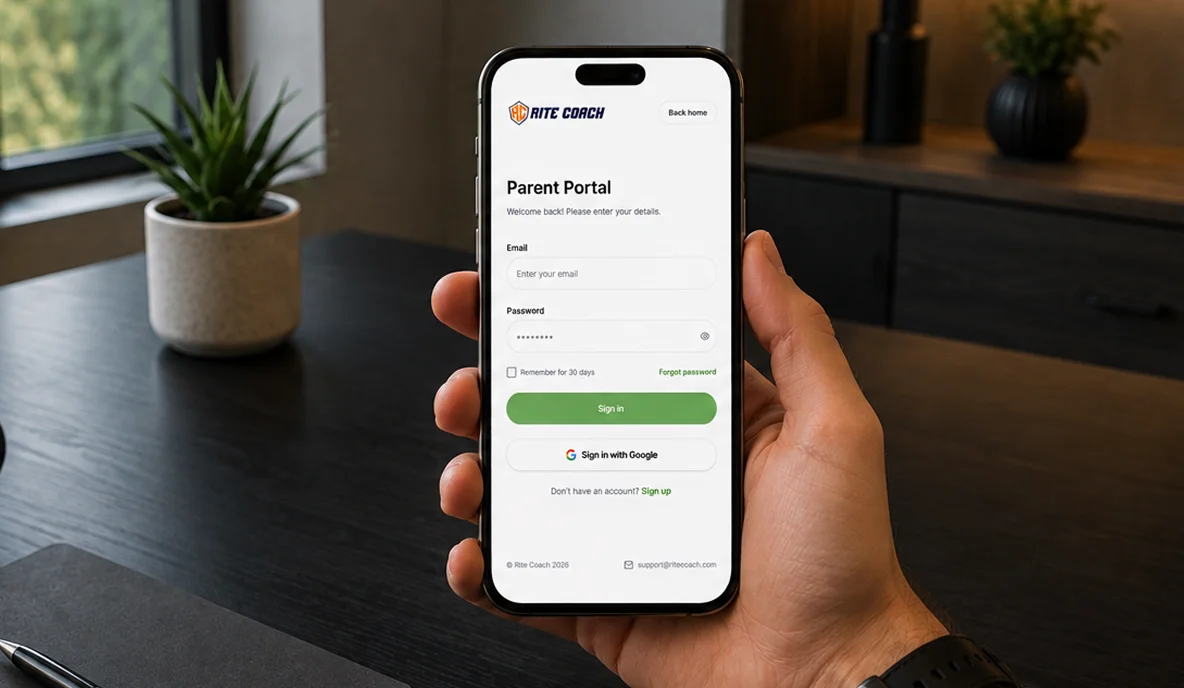
Step 1
Create Your Profile
Parents create a profile and start finding the right coach in seconds.

Step 2
Search & Discover
Browse coaches by sport, location, and training focus across New Jersey.
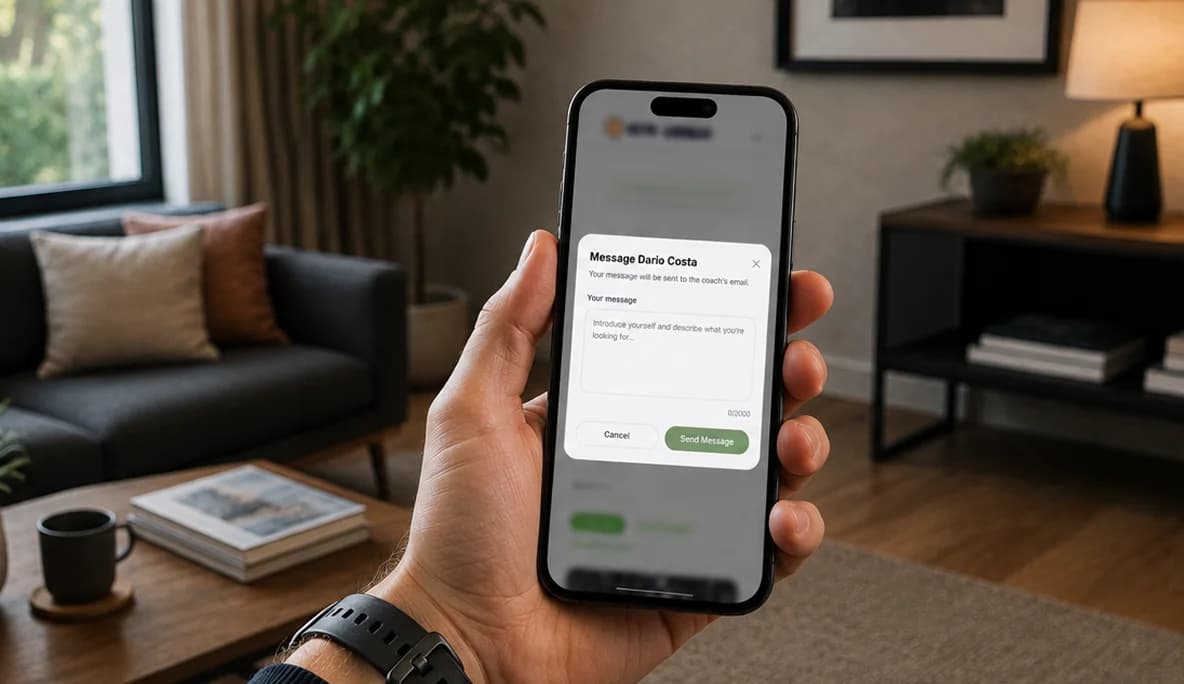
Step 3
Connect Directly
Message coaches directly to discuss goals, scheduling, and fit.

Step 4
Train With Confidence
Choose the coach that fits your child’s needs and take the next step in their development.
Frequently Asked Questions
Common questions about volleyball coaching in Atlantic City, NJ.
Browse volleyball coaches in Atlantic City on Rite Coach, check their background, the ages they train, and whether they work on sand or indoors, then contact them directly to set up sessions.
Each coach sets their own hourly rate and lists it on their profile, with no commission or booking fee. Ask whether gym rental is included for indoor sessions, since it can be added on top.
Yes. Sand is forgiving on falls and slows the game down, which suits new players. Some coaches start beginners on the beach and move them indoors for the school season. Check the ages each coach trains.
Some do. Beach volleyball is played in pairs, so two players training together is common, and small groups split the cost. One-on-one suits a specific skill like a jump serve or setting hands.
Beach is usually played two against two on a smaller court with no fixed positions, so every player passes, sets, and attacks. Sand makes jumping and moving harder, and wind changes every serve and set, which forces better ball control. Indoor is six against six on a hard floor, with set positions and faster play. The skills overlap, but some habits differ: open-hand tips are not allowed on the sand, and hand-setting is judged more strictly. Ask a coach which format they teach, and whether they coach both.
Late May through September covers most of it. Early mornings and evenings are the most comfortable in summer, since midday sand gets hot and the beaches fill with visitors in July and August. Early fall can be good on calm, sunny days before the wind turns cold. Ask a coach what time of day they train on the beach, where on the island they set up, and what they do on rainy or windy days, since a canceled session is easier to plan around when you know the policy in advance.
Options on the island are limited. School gyms are used by school teams during the season, and the rec and community gyms that allow outside training fill up in winter. Many coaches who work with Atlantic City families rent court time on the mainland, in Pleasantville, Egg Harbor Township, Absecon, or Galloway, and some run passing and setting drills in any open space without a full court. Ask a coach where their indoor sessions take place, and whether gym rental is part of their rate or charged separately.
Not much. Most players train barefoot, though sand socks help when the sand is hot. Sunscreen, a hat or visor, sunglasses for serving into the sun, and plenty of water matter more than anything else. An outdoor volleyball is softer and a little larger than an indoor one, and many coaches bring their own along with a portable net. For the indoor season, players need court shoes with non-marking soles and knee pads. Ask the coach what to bring before the first session so no time is lost.
Many coaches take children from around eight or nine, when they can track a ball and handle a lighter volleyball. The beach is a good place to start, since falls are soft and the pace is slower, and short sessions built around games keep young players interested. By middle school, players can begin real technique work on passing, setting, and serving ahead of high school tryouts. Each coach lists the age groups they train, so check the profile before you get in touch with them.
Yes, and summer is the right time to start. Girls volleyball in New Jersey is a fall sport, so tryouts arrive soon after the beach season peaks, while boys volleyball runs in the spring. Atlantic City High School also takes students from neighboring island towns, so players from Ventnor, Margate, Longport, and Brigantine may be trying out alongside yours. A coach can build a reliable serve, a clean pass, and footwork that holds up when a player is tired. Ask whether the coach has worked with players heading into tryouts.
Once a week suits most players, with practice in between. During the school season, when a player is already at team practice most days, one short session every week or two is enough to keep a skill moving without wearing them out. Summer is when many Atlantic City families add sessions, since there is no team schedule and the beach is a few blocks away. Ask the coach for a plan that fits your child's season, so private work builds on team practice instead of competing with it.
Start with the format your child plays. A player focused on the high school season needs someone comfortable indoors, while a beach player needs a coach who knows pairs play and how to handle the wind. Ask what the coach has played or coached, where they train in each season, and how they measure progress. Profiles list background, age groups, and family reviews. Most families book a single session first, which is the easiest way to see whether the coach explains things clearly and keeps a player engaged.
Probably not. Coaches are listed by their home town, not every place they train, and on Absecon Island the town line matters less than the drive. Coaches based in Ventnor, Margate, or Brigantine can reach an Atlantic City beach quickly, and mainland coaches in Pleasantville or Egg Harbor Township are a short trip across the bay. Check the Atlantic County volleyball page for coaches nearby, and contact a coach directly to ask whether they will train in Atlantic City, on the sand or indoors.
Generally, with some precautions. Sand is easier on joints than a gym floor, but it can hide shells, glass, and debris, so a good coach checks the court area before starting. Heat is the bigger risk in July and August: hot sand, strong sun, and long sessions can wear a young player down quickly. Ask how the coach handles water, shade, and breaks, and whether they avoid the middle of the day. Training near a lifeguard stand is also a sensible choice with younger children.