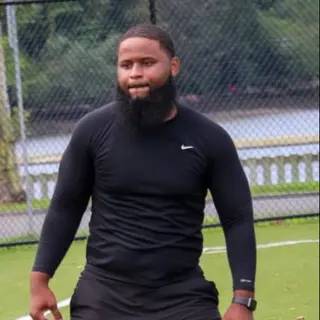
Private Football Coaches & Trainers in Bayonne, NJ
Browse 1 football coach available in Bayonne, NJ. Compare profiles, rates, and reviews to find the right fit.
Private Football Coaches & Trainers in Bayonne, NJ
Private Football Coaching in Bayonne, NJ
Bayonne occupies a peninsula at the southern end of Hudson County, bounded by Newark Bay on one side and New York Bay on the other, connected to Jersey City at the top and to Staten Island by the bridge at the bottom. That geography gives the city a strong sense of itself and a football program with deep roots, and it also means there is one way in and out by road, so families here tend to prefer training that happens locally rather than up the peninsula. Private sessions cover the position work a squad practice has no time for, alongside the speed, agility, and conditioning that carry across every position. Coaches list their playing and coaching background, the age groups they train, their rate, and where sessions run.
Where to play
Nearby Football Coaches in Hudson County
Position Technique or General Athleticism First?
For a younger athlete, the honest answer is usually athleticism, and it is worth saying because it runs against the instinct to specialize early. A twelve year old who moves badly will not be helped much by refining a release or a hand placement, because the limitation is underneath the technique rather than in it. Speed, change of direction, body control, and conditioning transfer to every position an athlete might end up playing, and nobody knows at that age which position that will be. Plenty of high school linemen were skill players at twelve. Once a player is settled at a position and moving well, the balance flips and position-specific technique becomes the thing worth paying for. Tell a coach your athlete's age and position honestly, and ask which of the two they think the hour should go on.
Football Guides for Parents
- Youth Football Tackling Drills: Safe Progressions That Work
The technique that keeps players safest is also the technique that produces the most reliable tackles, so there is no trade off to manage. A three stage tackling progression from no contact footwork through to controlled live reps.
4 min read
- What Age Should Kids Start Football? A Parent's Guide
Football's age question is really two questions: when to start, and when to add contact. A stage-by-stage guide for parents, from flag to tackle
4 min read
How it Works
Simple, transparent steps to connect coaches and athletes.
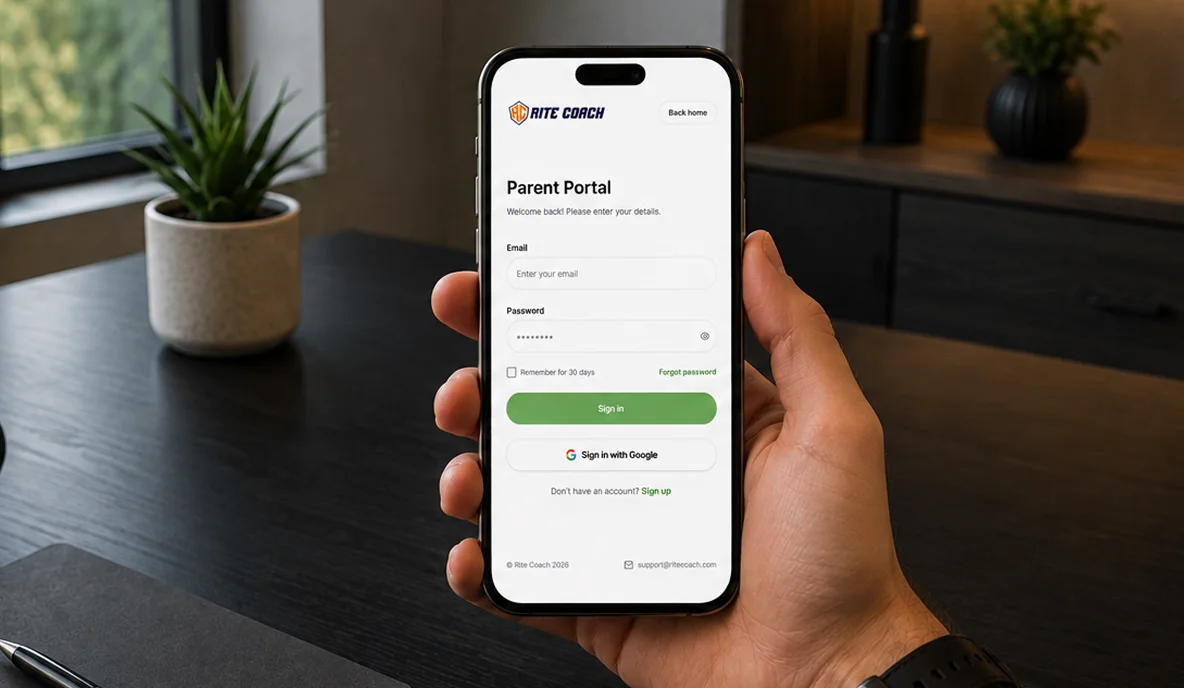
Step 1
Create Your Profile
Parents create a profile and start finding the right coach in seconds.
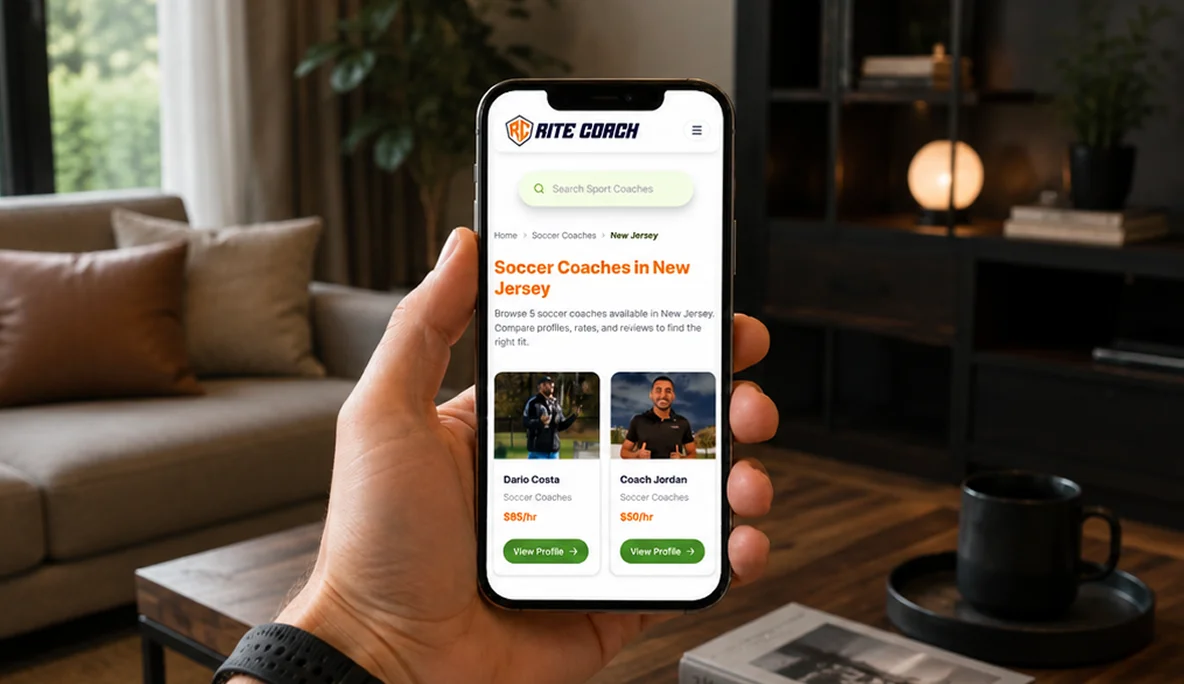
Step 2
Search & Discover
Browse coaches by sport, location, and training focus across New Jersey.
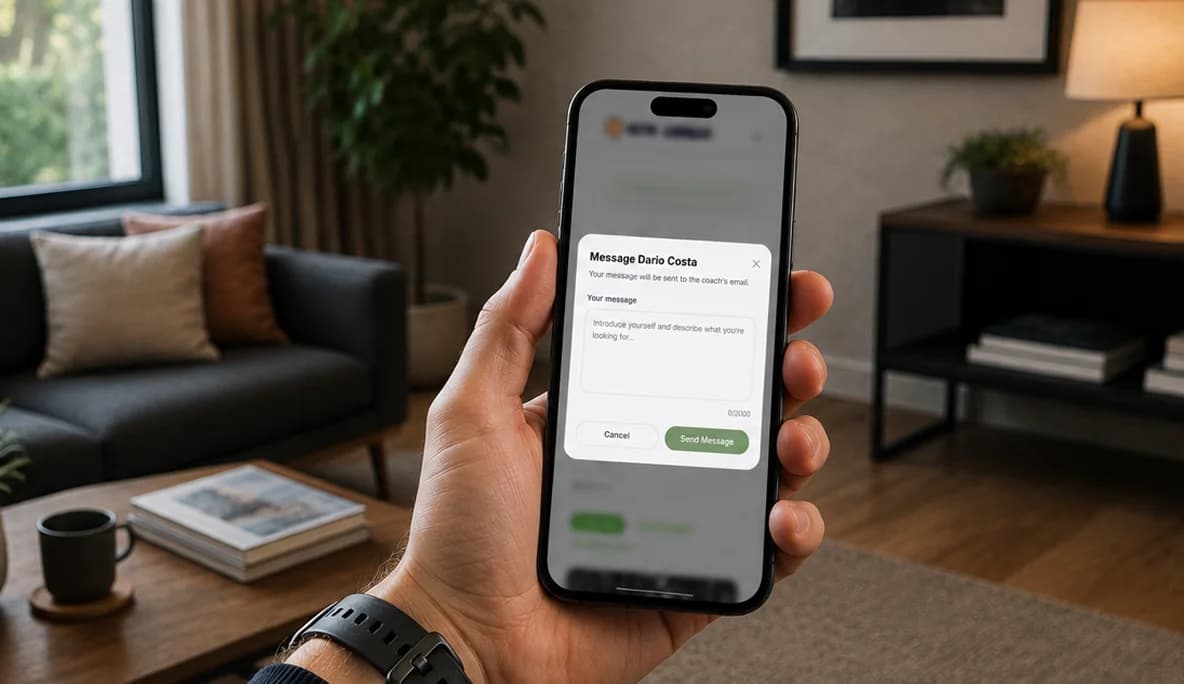
Step 3
Connect Directly
Message coaches directly to discuss goals, scheduling, and fit.
Step 4
Train With Confidence
Choose the coach that fits your child’s needs and take the next step in their development.
Frequently Asked Questions
Common questions about football coaching in Bayonne, NJ.
Rates vary by a coach's experience, session length, and whether it's one-on-one or small-group. Each Bayonne coach sets their own hourly rate, shown right on their profile - browse a few and compare before you reach out.
Local coaches cover the full range: footwork and agility, position-specific technique (QB mechanics, route running, line play), conditioning, and overall game IQ. Message a coach directly to tailor sessions to your athlete's position and goals.
Yes. Bayonne coaches work with youth, middle school, and high school athletes - from first-timers learning the fundamentals to varsity players sharpening for the next level. Each profile lists the age groups and levels the coach serves.
Find a coach whose experience and rate fit, then contact them directly through Rite Coach to arrange a time and location. There's no middleman - you coordinate sessions straight with the coach.
That's arranged directly with your coach - commonly local parks, fields, or training facilities around Bayonne and greater Hudson County. Ask about spots that work for both of you when you reach out.
No. Coaches are listed under the town they are based in rather than every town they will travel to, so the town page understates your options. Jersey City sits directly north and is fifteen minutes up the peninsula, and coaches based there or in North Bergen and Union City regularly cover Bayonne. Browse the Hudson County listing for the full set. Because football coaching is so position-specific, widening the search is usually better than settling for the nearest coach who does not work with your athlete's position.
Ask rather than assume, because it matters more in football than in any other sport. Quarterback mechanics, receiver releases, defensive back footwork, and line technique are genuinely different skill sets, and coaches are strongest in what they played or coached themselves. A profile lists that background. A coach who does not cover a position well will normally say so when asked directly, and a less decorated coach who spent years at your athlete's position will do more than a more famous one who did not.
Yes, and it is one of the reasons families book it outside football season. Acceleration, change of direction, and body control carry into basketball, baseball, track, and most other sports, so an offseason block is rarely wasted even if an athlete ends up somewhere other than football. It also avoids the repetitive loading that comes from doing one sport year round. Tell a coach what else your athlete plays and a good one will weight the sessions accordingly rather than treating it as football-only work.
Some coaches here work with athletes from around eight, though at that age a session is movement, coordination, and basic skill work rather than position coaching, and none of it involves contact. From about ten upward, position technique starts to be worth the hour. Older athletes preparing for camp or a jump in level tend to see the fastest visible gains. Each coach lists the age groups they train, so find someone who regularly works with your athlete's stage rather than stretching to fit.
In nearly all cases, yes. The hour is technique, footwork, mechanics, and conditioning worked against air, bags, or a coach holding a light look, not live tackling. That makes private sessions the least physically risky football an athlete will do, and it is one reason some families use them as a way in for a younger player who is not ready for full contact. Confirm what a session involves with the coach before booking so you know exactly what is on the table.
Winter through early spring is when mechanics can genuinely be rebuilt, since nothing is being tested weekly and a change has months to hold. Late spring and summer sharpen that work ahead of camp. Mid-season is the weak window, because an athlete practicing most days and playing weekly has little capacity left and an extra hour mostly adds fatigue. Reserve slots earlier than feels necessary, since demand for coaches and field time across Hudson County spikes through June and July.
Many do, and football suits it better than most sports because several positions need a partner. A quarterback with two receivers, or a receiver working release and coverage against a defensive back, gets more from a shared hour than either would alone. It also splits the cost between families and uses a booked field slot properly. Ask which combinations a coach runs, how group pricing works, and whether they can pair your athlete with another player if you do not have someone to bring.
Whatever the coach leaves them, and it matters more than the session itself. Footwork ladders, throwing on air, or release work off a line take fifteen minutes and need almost no space, which suits a city where finding a field is the hard part. An hour a week on its own changes very little. Ask your coach for something short and specific rather than a general instruction to work on it, and if they never give between-session work, ask them why not.
Whether the coach is actually coaching the position or running generic athleticism drills. Cones and ladders are fine as a warm-up, but if the whole hour looks like speed training when you booked position work, you are paying for something a general trainer could provide. Watch for specific corrections repeated until they hold rather than mentioned once. Listen at the end too: a coach who names one clear thing to work on before the next session is doing the job properly.
No, and one session first is the sensible order. It lets both sides establish whether the fit is right, and a coach who requires a package before ever watching your athlete move is worth pausing over. After that a block is the normal pattern, because mechanical change needs repetition before it holds under pressure, and on a peninsula where field slots are contested a block also secures the time. Ask about cancellation terms and whether it is paid up front, since coaches set those themselves.