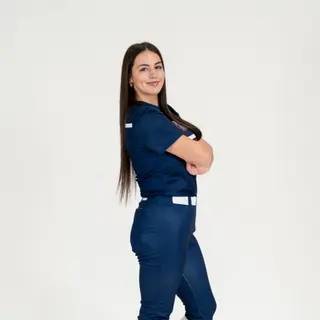
Private Softball Coaches & Trainers in Teaneck, NJ
Browse 1 softball coach available in Teaneck, NJ. Compare profiles, rates, and reviews to find the right fit.
Private Softball Coaches & Trainers in Teaneck, NJ
Private Softball Coaching in Teaneck, NJ
Teaneck had about 41,000 residents at the 2020 census, one of the larger towns in Bergen County, and it sits along the Hackensack River with Overpeck County Park on its edge. OpenStreetMap maps about 21 ball diamonds in the township, at places such as Overpeck Park, Phelps Park and the Fairleigh Dickinson University campus, and many local fields serve both baseball and softball.
Read moreRead less
Softball here is fastpitch from youth leagues up. The high school season runs in the spring, starting with practice in March, and summer travel teams take over once school ends. A private coach adds what team practice rarely has time for: focused repetitions on one skill, with someone watching every pitch or swing. That might be a first windmill motion for a young pitcher, a cleaner swing for a hitter, receiving and blocking for a catcher, or footwork for an infielder getting ready for a tryout. Coaches list their background, the age groups they train, their hourly rate, and where they run sessions.
- 1 coach listed
- 1 more towns nearby
- Message coaches directly, no booking fees
Where to play
 74Courts and fields in TeaneckMap and directions
Nearby Softball Coaches in Bergen County
Can a Teaneck Pitcher Learn Fastpitch Pitching in One Spring?
Usually not, and it helps to know that before starting. Windmill pitching is a full-body motion, and most players need a year or more of regular practice before it holds up under game pressure, and many keep refining it through high school.
Read moreRead less
A New Jersey spring season is short, so a pitcher who starts lessons in February is building for next year as much as this one. What tends to work is steady weekly lessons through the fall and winter, short practice at home most days, and patience about speed, which comes after accuracy and a repeatable motion. The honest caveat is that windmill pitching is easier on the arm than overhand throwing but it is not injury free. Back, shoulder and hip problems happen, especially when a pitcher throws a lot of innings at weekend tournaments. Ask a coach what a realistic first year looks like for your player.
Softball Guides for Parents
- Softball hitting drills (and how to hit a softball)
How to hit a softball, step by step, plus tee, soft toss and timing drills that build a faster, more consistent fastpitch swing at home or practice.
7 min read
- Softball pitching drills for beginners
Beginner windmill pitching drills, from wrist snaps to full motion, plus distances by age, arm care and a 15-minute routine to do at home.
7 min read
How it Works
Simple, transparent steps to connect coaches and athletes.
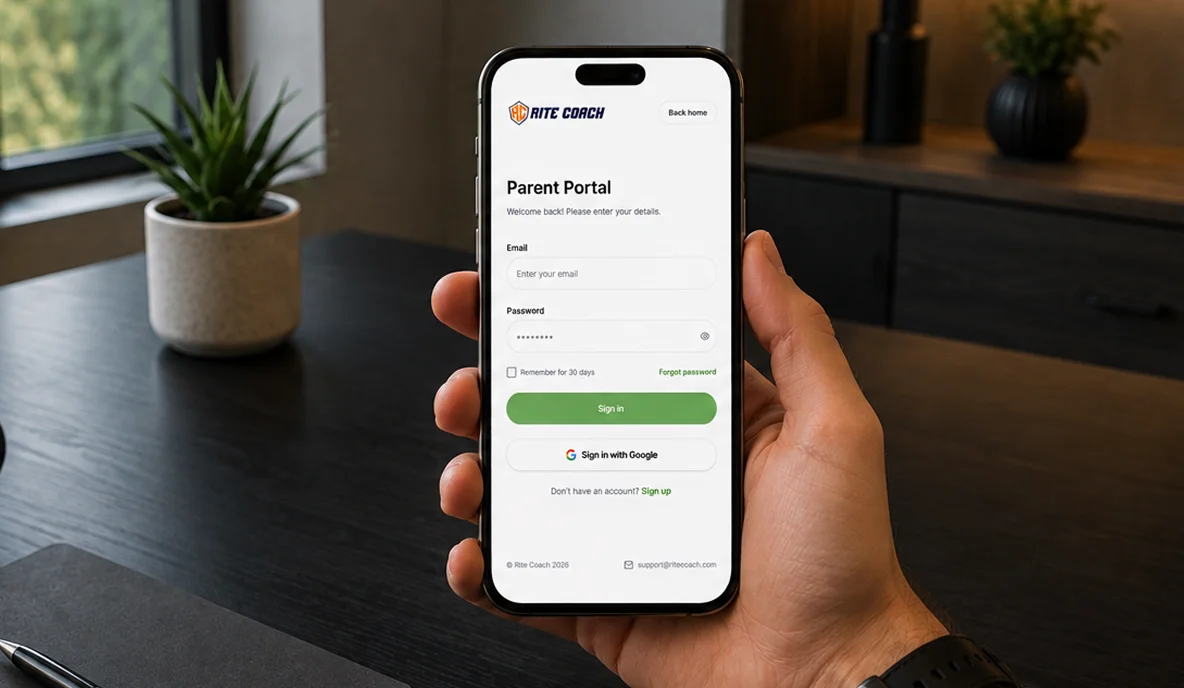
Step 1
Create Your Profile
Parents create a profile and start finding the right coach in seconds.
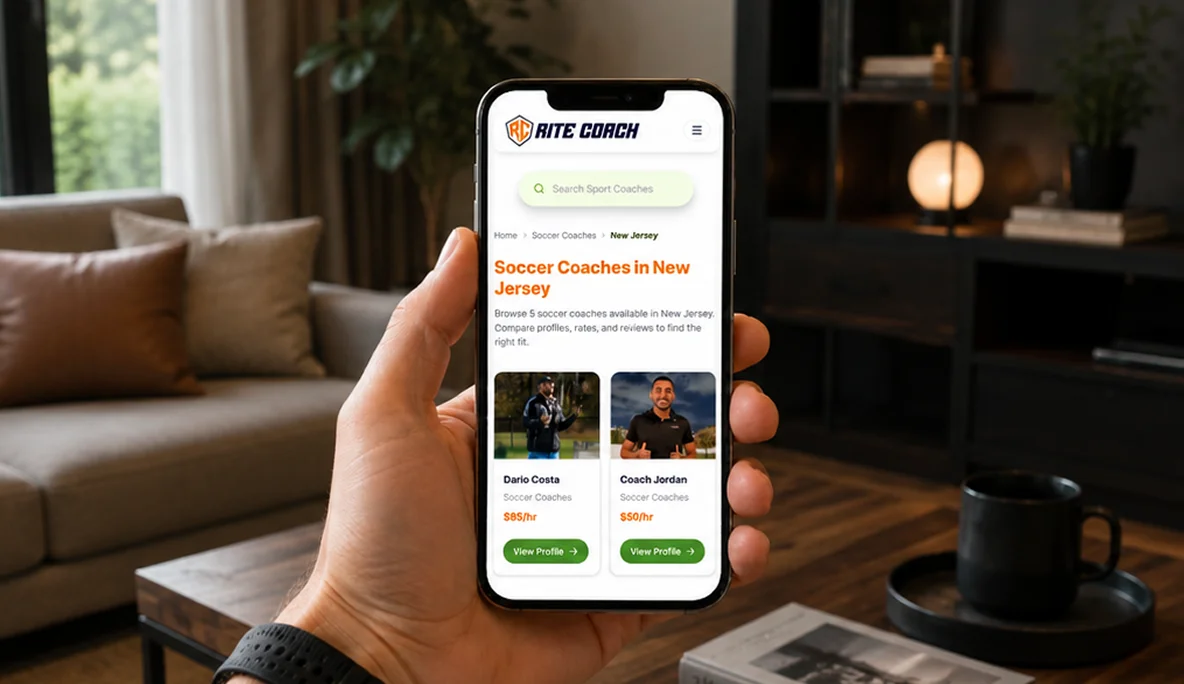
Step 2
Search & Discover
Browse coaches by sport, location, and training focus across New Jersey.
Step 3
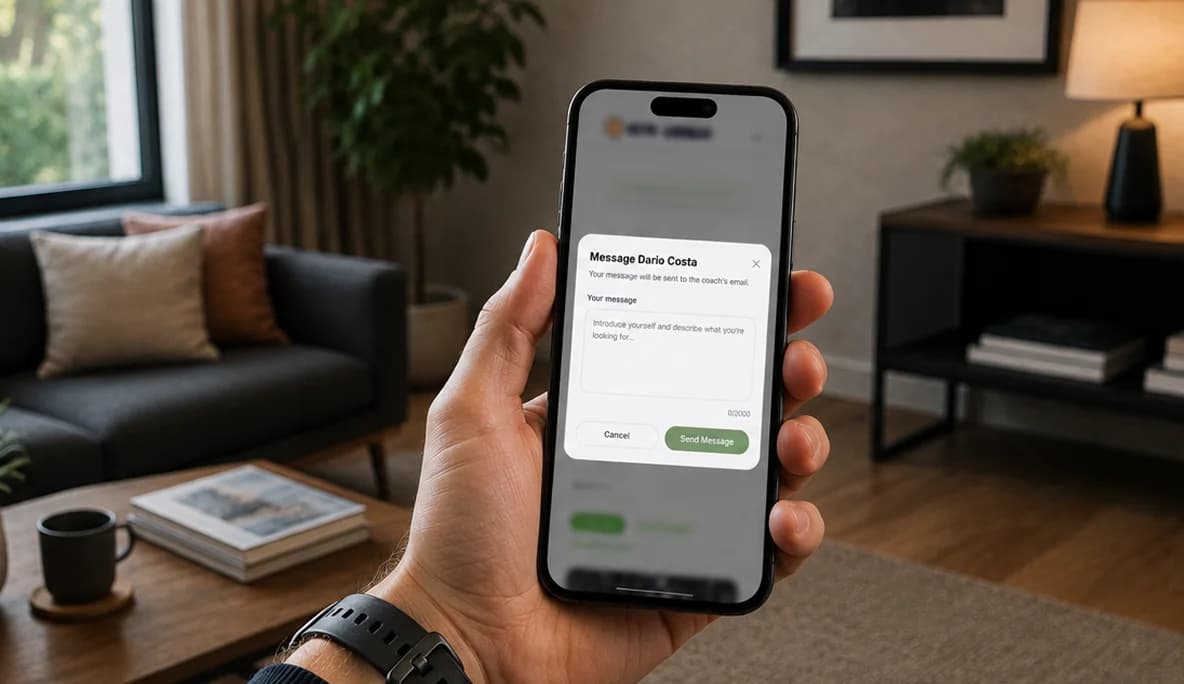
Connect Directly
Message coaches directly to discuss goals, scheduling, and fit.
Step 4
Train With Confidence
Choose the coach that fits your child’s needs and take the next step in their development.
Frequently Asked Questions
Common questions about softball coaching in Teaneck, NJ.
Browse the coaches listed for Teaneck, open a profile, and read their background, the ages they work with, where they train and their hourly rate. Then contact the coach directly from the profile. In your first message, mention your player's age, the team or league she plays in, her positions, and whether you want help with pitching, hitting, catching or fielding. Include which days you can make, because spring and summer schedules in Bergen County fill quickly.
Each coach sets their own rate and lists it on their profile. Rite Coach takes no commission and charges no booking fee, and you pay the coach directly. Ask whether the rate includes cage or facility rental, which is common in winter, or whether that is added on top. Pitching lessons sometimes run on a different schedule from hitting lessons, so ask how long a session is, whether the coach offers packages, and whether two teammates can share a session.
No. Coaches are listed by their home town, not by every field or cage where they work, so a coach in one town may train players from several. The Bergen County softball page gathers every listed coach in the county, including a coach based in Little Ferry, a short drive from Teaneck, which has its own page. Beyond Bergen, there are listed softball coaches in Hoboken in Hudson County and Belleville in Essex County. Check those pages, and check back as more coaches join.
Each profile lists the age groups the coach trains. Some coaches work with players as young as six or seven, using short, game-like sessions, while others focus on middle school and high school players. Pitching lessons often start around nine or ten, when a player can begin to repeat a windmill motion. Teenagers preparing for high school tryouts or college showcases need more specific work. If your child is young, ask a coach whether they offer shorter sessions and how they keep them fun.
Most lessons start with tee work, so the coach can see the swing at a slow pace, then move to soft toss and front toss, and finally to machine or live pitching to test changes at game speed. A good coach picks one or two things per session, such as the stance, the stride or keeping the hands inside the ball, and repeats them until they start to feel natural. Many use phone video so the player can see the change. Expect a short routine to practice at home.
The field is smaller, the pitcher throws underhand from closer, and the game moves faster. A fastpitch hitter has less time to react, which makes timing and a compact swing especially important. Bunting and slapping are bigger parts of the game, and baserunners can steal once the ball leaves the pitcher's hand. A player switching from baseball brings useful skills but needs time to adjust, especially at the plate. Ask a coach whether they have worked with players making that switch.
It depends on the coach and the season. From spring through fall, sessions may happen on local fields, in a backyard or driveway with a net, or at a training facility. In winter most lessons move indoors to batting cages, gyms or rented facility space. Public fields are scheduled by the township, schools and leagues, so a coach may need a permit to use them. Each profile says where the coach trains. Ask where your lessons will take place and whether any rental fee is added.
A glove, a bat that meets her league's rules, a batting helmet with a face guard, cleats or turf shoes depending on the surface, water and athletic clothes. Many leagues require or encourage fielder's masks for pitchers and infielders, and they are worth bringing for fielding work. Catchers should bring their full gear. Pitchers may want a pitching glove they are comfortable with. Ask the coach whether they provide balls, tees and nets, and mention any injury before the first session.
For most players, once a week works, as long as she practices between sessions. A change in a swing or pitching motion only sticks with repetition, so ten to fifteen minutes of assigned work most days matters as much as the lesson. Pitchers often need a steadier rhythm than hitters, especially in their first year. Before a tryout, some families book a short, more frequent block. During the spring season, lessons often drop back because games fill the week. Ask a coach what home practice they expect.
Watch part of a lesson. Good coaches give clear, specific corrections, keep the player working most of the time and adjust when she is frustrated or tired. Ask about their playing and coaching background, which positions they specialize in, and how many players your daughter's age they have trained. For pitching, ask how they handle workload and arm care. Be cautious about any coach who promises a college scholarship. Reviews from other families on the profile help, and one trial lesson is a sensible test.
Not to enjoy softball or to play in high school. Travel softball adds more games, stronger competition and, for older players, exposure to college coaches, but it also means more driving, weekend tournaments and real cost. Rec leagues and school teams give plenty of playing time to younger players. Private lessons help in either case, but they do not replace game experience. Ask a coach for an honest view of what level suits your player now and what would change that.
Yes, and catchers often get the least specialized coaching at team practice. A private session can cover receiving and framing pitches, blocking balls in the dirt, footwork on throws to bases, and working with a pitcher. Catching is physically demanding, so a good coach also pays attention to leg strength and recovery. Catchers who can handle a strong pitcher are valued at every level. Ask a coach whether they have played or coached the position, since catching is its own specialty.
High school softball runs in the spring, with practice starting in March and games through May, plus state tournament play for teams that qualify. Many rec leagues run in the spring as well. Travel and summer teams play from late spring through the summer, and some continue with fall ball. Winter is the off-season for games, which makes it a good time for private work on pitching, hitting and strength. Ask a coach how they would plan lessons around your player's calendar.
Often, yes, especially with focused help. Players who start softball in middle school, or switch from another sport, can make quick progress on fielding and hitting with good coaching and regular practice. Pitching takes longer, so a late starter may do better at another position at first. The honest caveat is that players who have played for years have thousands more repetitions, and that gap takes time to close. Ask a coach which skills would give your player the fastest improvement.