New Jersey coaches: create your free profile by Sept 30 for a chance to win a $150 Dick’s Sporting Goods eGift card.

Enter nowOfficial Rules

Private Wrestling Coaches & Trainers in New Jersey

Browse 1 wrestling coach available in New Jersey. Compare profiles, rates, and reviews to find the right fit.

Private Wrestling Coaches & Trainers in New Jersey

Unclaimed Profile

This profile was created by RiteCoach on behalf of the coach. The coach has not yet claimed the profile.
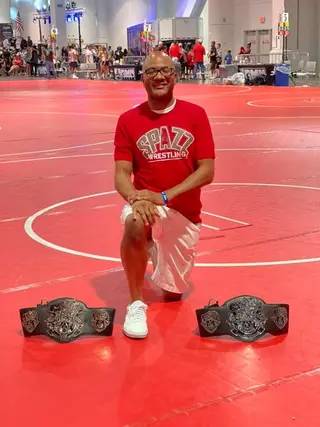
Brian Miller, Wrestling Coaches in New Jersey

Brian Miller

Wrestling Coaches

$50/hr

View Profile

Private Wrestling Coaching in New Jersey

New Jersey is one of the strongest high school wrestling states in the country. School programs run a demanding winter season that builds toward the state championships in Atlantic City, and a large network of youth and club programs keeps many wrestlers on the mat long before and after that season. The result is a deep, competitive field at almost every weight class, where the difference between a wrestler who places and one who does not is often a handful of details rather than raw athleticism. That is the gap private coaching is suited to. One-on-one sessions give a wrestler time on specific positions, whether a finish on a single leg, getting off bottom, or riding and turning, with a coach who can feel what is going wrong and correct it immediately. Coaches list their background, the age groups they train, their hourly rate, and where they run sessions.

Browse Wrestling Coaches by County in New Jersey

Coaches are listed in 1 of New Jersey's 21 counties so far. Don't see yours? Search by town above, or open the nearest county listed. New coaches are added every week.

Club Wrestling, Private Lessons, or Both?

For most New Jersey wrestlers, both, and they do different jobs. A club or school room gives a wrestler what private lessons cannot: lots of live wrestling against different partners, different body types, and different styles, which is where a wrestler learns to compete. Private lessons give what a busy room cannot: focused time on the one or two positions that keep costing matches. A common pattern here is club or school practice through the season with private sessions added in the offseason and in the weeks before key tournaments. The honest caveat is cost and time, since stacking club dues, tournaments, and private lessons adds up quickly. Ask a coach how private sessions would fit alongside your wrestler's club or school schedule rather than replace it.

Frequently Asked Questions

Common questions about wrestling coaching in New Jersey.

Browse New Jersey wrestling coaches on Rite Coach, compare their background and the age groups they train, and contact them directly to arrange sessions near you.
Each coach sets their own rate, listed on their profile for comparison. Ask whether mat or facility time is included.
Many do. Coaches set their own focus, and each lists the age groups and levels they train on their profile.
Coaches train at clubs and mat rooms around the state. Confirm location and availability directly with a coach.
Not yet. Rite Coach is still adding wrestling coaches in New Jersey, and each coach is listed by home town rather than every area they serve. Wrestling clubs often draw athletes from several surrounding towns and counties, so a coach listed some distance away may still be practical. Check each coach's profile for where they train, contact them directly, and browse county listings as new coaches are added.
School wrestling in New Jersey is a winter sport, with practices starting in late fall and the season running through the district, region, and state tournaments in late winter. Exact dates change each year, so check the current NJSIAA calendar. Private coaching often picks up in the fall, before the season starts, and again in the offseason when wrestlers work on new technique and freestyle.
Yes, and it is one of the more valuable times for them. New Jersey high school rooms are competitive, and freshmen who arrive with sound stance, a reliable takedown, and solid bottom work have a real head start. Private sessions in the middle school years can build those fundamentals with more attention than a busy youth practice allows. Ask a coach what they would prioritize for a wrestler heading into ninth grade.
High school wrestlers go through a weight certification process early in the season that sets the lowest weight they may safely wrestle, based on body composition and hydration testing, with limits on how quickly they can descend. The rules exist to prevent unhealthy cutting. A good private coach works within that system and focuses on wrestling well at a healthy weight. Ask your school's coach or athletic trainer for current details.
Many New Jersey wrestlers do, and it tends to help their folkstyle. Freestyle rewards exposure and scrambling and puts more emphasis on the feet and on explosive positions, which sharpens skills that transfer back to the school season. It also keeps wrestlers active without the same grind. It is not required, though, and some athletes are better off playing another sport. Ask a coach whether they teach freestyle and whether it suits your child.
It varies. Coaches who own or run a club usually include mat time. Others rent space, use a school or rec center room by arrangement, or bring roll-out mats to a home, and each of those can affect what a session costs. Ask before booking so you can compare coaches fairly, since two listed rates that look the same may not cover the same things.
It depends on the time of year. In the offseason, once or twice a week is common for a wrestler building new skills. During the school season, wrestlers already practice most days, so a private session every week or two to fix specific problems is often plenty. Too much on top of a full season risks fatigue and injury. Share the school and club schedule with the coach so they can recommend a sensible pace.
Yes, and girls wrestling has grown substantially, with dedicated girls competition at the high school level and more youth clubs welcoming girls. Private lessons can be especially helpful for girls in programs where there are few training partners of a similar size. Ask a coach whether they have worked with girls and whether they can connect your daughter with appropriate practice partners or clubs.
Largely an assessment. A good coach will watch your wrestler's stance and motion, drill a few basic takedowns and escapes, and often wrestle a few controlled positions to see where things break down. They should talk with you and the athlete about goals, experience, and schedule. You should leave knowing the one or two areas they want to focus on first and why.
Ask where they train, whether mat time is included, which styles they teach, and how much live wrestling a session involves. It is also fair to ask about their own wrestling and coaching background and how they approach weight management with young athletes. Those answers will tell you most of what you need. Book a single session first before committing to a package.
Many coaches work with older beginners, including high school students trying the sport for the first time and adults who want the conditioning or a new challenge. Private lessons are often the most comfortable way to start at an older age, because a beginner can learn stance, motion, and basic positions without being thrown into a room of experienced wrestlers. Coaches control intensity closely with new wrestlers. Check each coach's profile for the ages they train, and ask how they would introduce the sport to someone starting later.