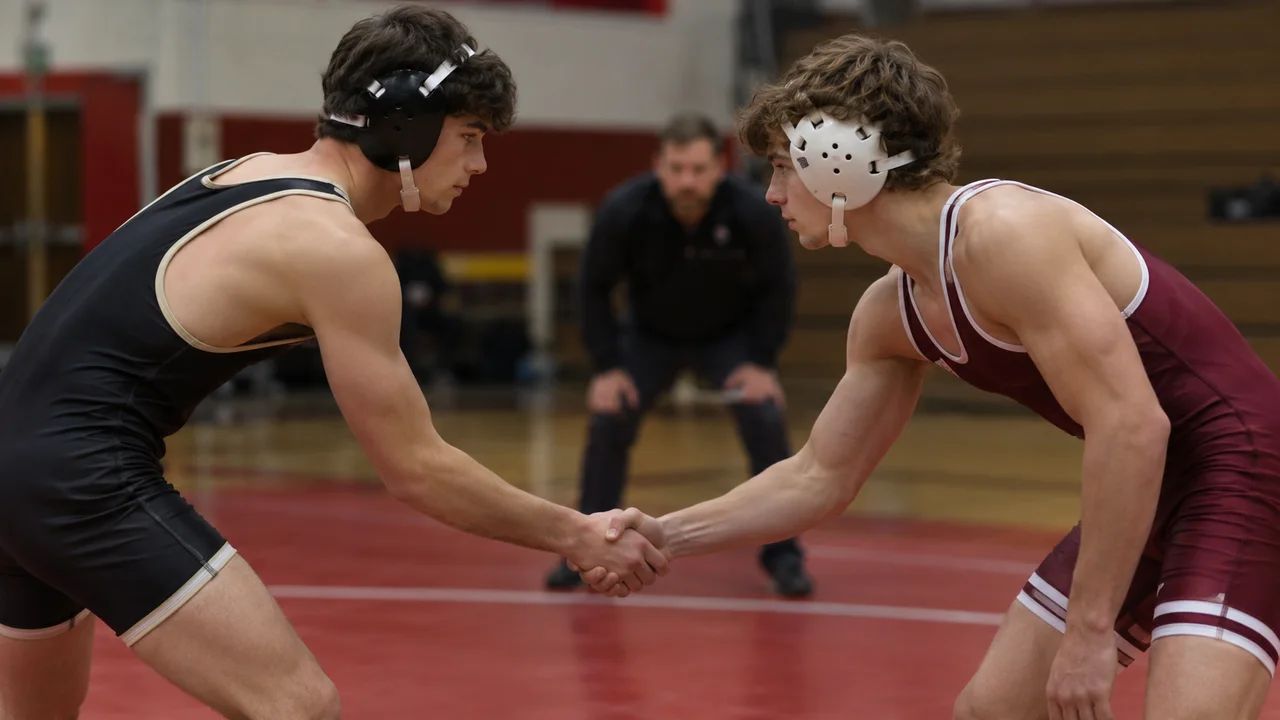
Wrestling stance: the basics every beginner needs
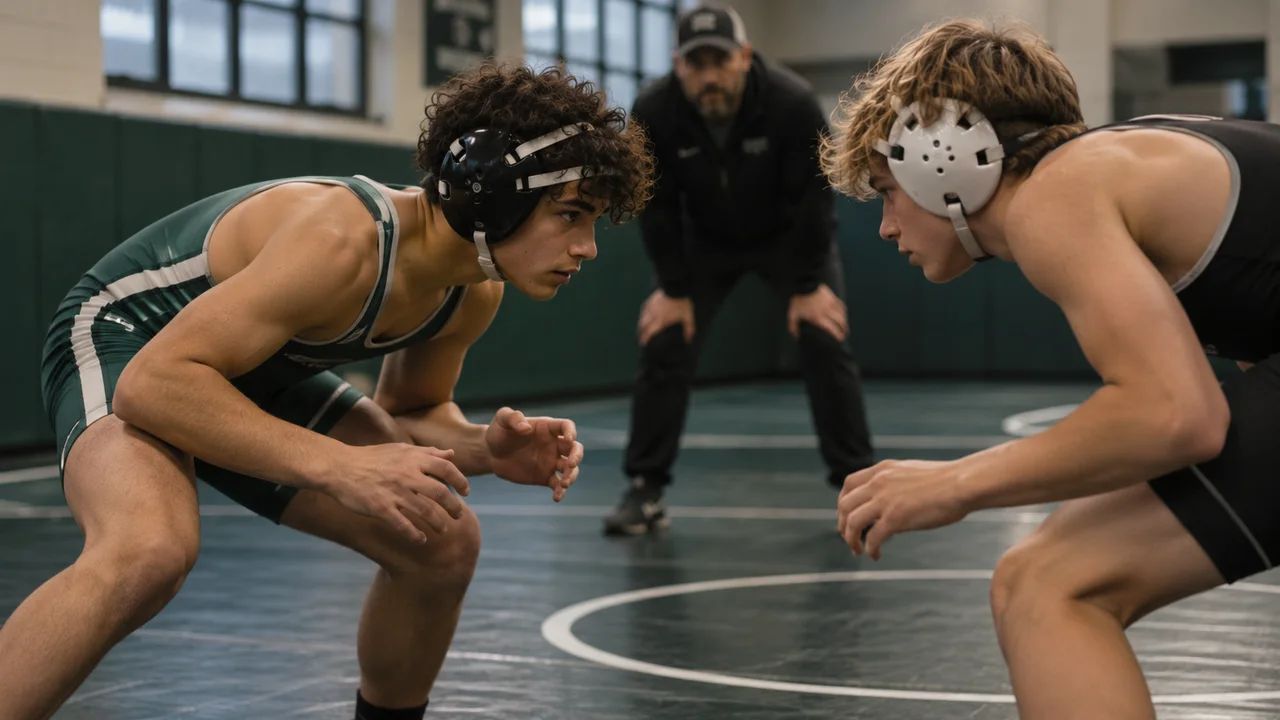
Walk into any wrestling room in the first week of the season and you will see the same thing: rows of kids crouched in their stance while a coach walks the line, pushing on shoulders and tapping hips. It looks basic, and it is. It is also the position every takedown, sprawl, and scramble starts from, which is why good coaches never stop teaching it.
This guide covers what a good wrestling stance looks like, the difference between a square and a staggered stance, how to move without breaking position, simple drills to do at home, and the mistakes coaches look for. If your child is brand new to the sport, start with our parent's guide to youth wrestling for how a season works, and come back here for the technique.
Why is stance the first thing coaches teach?
Every match in folkstyle, the style American schools wrestle, starts on the feet in the neutral position. From there, both wrestlers are trying to score a takedown and avoid giving one up. A good stance does both jobs at once: it keeps a wrestler balanced and protected, and it lets them attack in any direction without first having to get set.
A weak stance is the easiest way to give up points. A wrestler who stands too tall, reaches with straight arms, or lets their feet get close together is offering their legs to the opponent. Many takedowns are not really won by a great shot. They are lost by a broken stance a second earlier.
USA Wrestling's coaching material makes the same point: coaches spend a lot of time early in the year on stance and movement, and when a wrestler gets taken down, the first question is often where their position failed, not which new move they need (TheMat.com, USA Wrestling).
Square stance vs staggered stance
There are two basic stances. In a square stance, the feet are level with each other. In a staggered stance, one foot is ahead of the other, so a wrestler has either a right or a left lead leg (FloWrestling). Most wrestlers use both during a match, and the one they favor tends to change as they get more experienced.
| Stance | Feet | Strengths | Watch out for |
|---|---|---|---|
| Square | Level, a bit wider than the shoulders | Balanced, with neither leg closer to the opponent | Moving forward to attack takes an extra step |
| Staggered | One foot forward, back foot behind and to the side | Quicker to shoot, natural for attacks off the lead leg | The lead leg is closer to the opponent and is the usual target |
Most beginners learn one stance first, and coaches differ on which. Ask your child's coach which they teach so home practice matches the room.
The stance checklist, head to feet
USA Wrestling's coaching cues for a good neutral stance are short: wide feet, knees bent, head up, chest forward, and the lead hand low (TheMat.com, USA Wrestling). Broken down for a beginner, that looks like this:
- Head up. Eyes on the opponent's chest or hips, not their face and not the mat. Where the head goes, the body tends to follow.
- Chest forward, back fairly straight. The chest stays over the knees. Bending over at the waist instead of sinking the hips is the classic beginner stance.
- Elbows in, hands in front. Elbows close to the sides protect against underhooks and leg attacks. Hands stay out in front, ready to block and hand fight.
- Lead hand low in a staggered stance. It guards the lead leg, which is the leg opponents shoot at most.
- Hips low, knees bent. The power comes from the legs. A lower level makes it harder for an opponent to get in on a leg.
- Feet wide, weight on the balls of the feet. Wide feet give balance. Flat feet make a wrestler slow to react.
A simple test: a partner pushes lightly on the shoulders from the front, side, and back. A good stance absorbs the push without the wrestler stepping, standing up, or falling forward.
How do you move in your stance?
A stance only helps if it holds up while moving, and matches are never still. The rules are simple to say and hard to keep:
- Short steps. Small, quick steps keep the base wide.
- Feet never cross. Crossing the feet, even for a moment, is when a wrestler is easiest to take down.
- Same height the whole time. The head should not bob up and down while stepping.
- Circle, do not back straight up. Circling away from an opponent's strong side keeps a wrestler off the edge of the mat.
The other movement to learn early is the level change: dropping the hips by bending the knees, not the waist, while the head and chest stay up. Every shot starts with one, so practicing it from stance is time well spent. Strong legs help here; the bodyweight strength work in our guide on how to jump higher carries over well.
Beginner drills you can do at home
Stance work needs no mat and very little space. A living room or backyard is enough.
Stance holds with pushes
Hold a stance for 20 to 30 seconds while a partner pushes gently on the shoulders, head, and hips from different angles. The goal is to stay balanced without stepping. Rest, then repeat three to five times.
Mirror drill
Two wrestlers face each other in stance. One leads, stepping forward, back, and sideways and changing levels. The other copies every movement while staying in stance. Switch every 30 seconds. It trains reaction and footwork together, and kids treat it like a game.
Level-change reps
From stance, drop the level quickly and return, 10 times, keeping the head up and back straight. Add a step forward on the drop as it gets easier.
A three-minute daily routine
- One minute of stance in place, checking the head-to-feet list.
- One minute of stance and motion: forward, back, circling both ways, no crossed feet.
- One minute of level changes with a step.
Three minutes a day, a few days a week, builds the habit faster than a long session once a week.
Common mistakes
- Standing too tall. Usually from tired legs. It invites shots.
- Bending at the waist. The head drops, the chest drops, and a snap-down or front headlock comes next.
- Reaching with straight arms. It pulls a wrestler out of position and gives the opponent something to grab.
- Head down. Looking at the mat breaks the whole stance.
- Flat feet or feet too close. Slow to react and easy to knock off balance.
- Crossing the feet when moving. The single most common opening in beginner matches.
When to work on stance in New Jersey
High school wrestling is an NJSIAA winter sport. The association's winter quick chart lists November 30, 2026 as the first day of wrestling practice for 2026-27, with competition allowed from December 7. Schools may also hold an optional three-day tryout on the Monday through Wednesday before Thanksgiving. Boys district tournaments begin February 13, 2027, with team tournaments starting earlier in February (NJSIAA; all dates are listed as tentative). Most youth clubs wrestle folkstyle through the same winter months, so check your club's calendar for its start date.
That makes the fall the natural time to clean up a stance, before practices and matches fill the schedule. A few weeks of the home routine above means a beginner walks into the first practice already knowing the position the whole room is about to drill.
If your child works with a private coach, ask for one thing: can you film my child's stance from the front and the side and show me three things to check? A good coach will point to the head, the hips, and the feet, and give your child a short list to practice at home.
You can compare wrestling coaches in New Jersey on Rite Coach by experience and the ages they train, then contact them directly. For what to look for, see our guide on how to choose a youth sports coach.
Frequently asked questions
Should a beginner use a square or staggered stance?
Either works. Coaches differ on which to teach first, and most wrestlers end up using both. Practice whichever your child's coach teaches.
How low should a wrestling stance be?
Low enough to protect the legs, with the knees clearly bent, but not so low that the wrestler cannot move. If they cannot step quickly in any direction, they are too low.
How long does it take to learn a good stance?
A beginner can learn the position in a practice or two. Keeping it while moving, tired, and under pressure takes most of a season, which is why coaches keep drilling it.
Looking for a private wrestling coach?
Rite Coach lists coaches across New Jersey.