
Private Baseball Coaches & Trainers in Paramus, NJ
Browse 1 baseball coach available in Paramus, NJ. Compare profiles, rates, and reviews to find the right fit.
Private Baseball Coaches & Trainers in Paramus, NJ
Private Baseball Coaching in Paramus, NJ
Paramus had about 26,700 residents at the 2020 census and is better known for Route 4, Route 17 and its malls than for ballfields, but the borough has more diamonds than its size suggests. OpenStreetMap maps about 26 baseball fields in town, including fields at the Cliff Gennarelli Sports Complex, Petruska Park, Paramus High School and Bergen Community College.
Read moreRead less
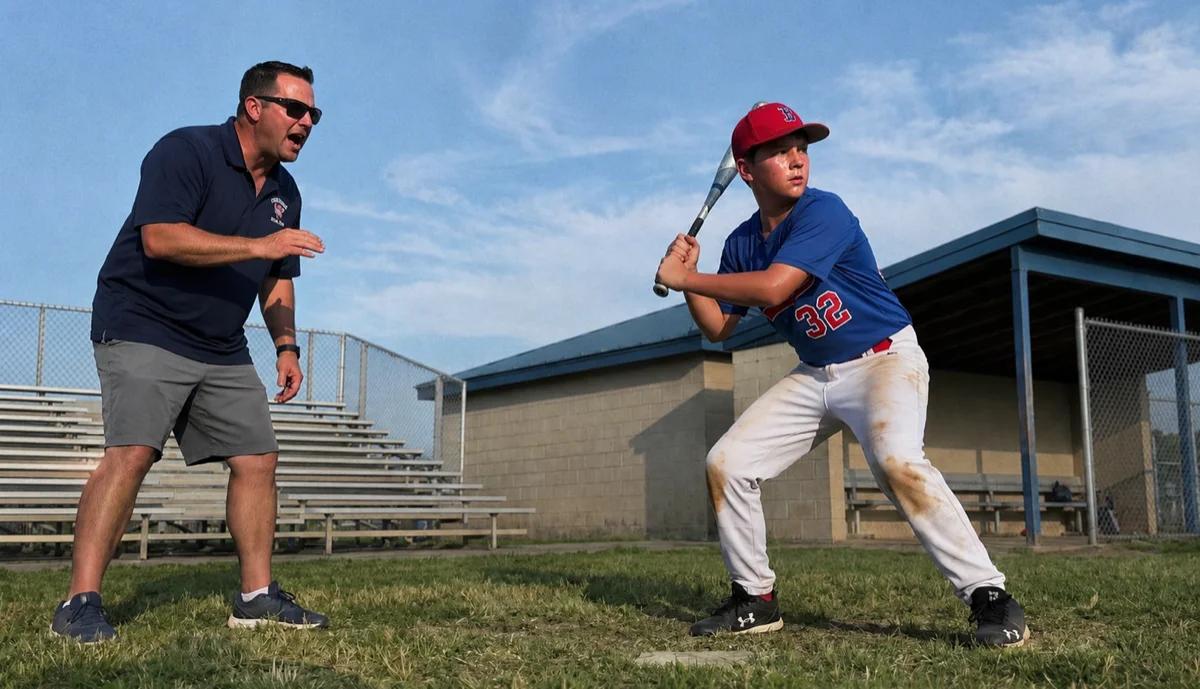
That gives rec, travel and school teams places to play from spring through fall. What a team practice rarely gives a player is individual attention. With a full roster, a hitter might get a few rounds in the cage and a pitcher a short bullpen, and swing or arm problems go uncorrected for a whole season. A private coach can slow things down: rebuild a swing, clean up pitching mechanics, sharpen footwork at a position or prepare a player for a tryout. Coaches list their background, the age groups they train, their hourly rate, and where they run sessions.
- 1 coach listed
- Message coaches directly, no booking fees
Where to play
 26Baseball Fields in ParamusMap and directions
Nearby Baseball Coaches in Bergen County
Other Sports Coaches in Paramus
What Does a Paramus Player Do Between October and March?
Fields in Paramus are busy from spring through fall, but New Jersey winters close most of them, and high school practice starts in March. For hitters and pitchers, winter is often the best time to make a mechanical change, because there is no game the next day to worry about.
Read moreRead less
That usually means indoor work: a rented batting cage or training facility, a gym, or a coach's own space with a net. The honest caveat is that hitting off a machine in a cage is not the same as facing live pitching, and a pitcher's throwing program has to build gradually rather than jump to full effort in January. A player who works all winter still needs time outdoors in March to adjust. Ask a coach where they train in winter, whether cage rental is added to the rate, and how they would plan a throwing program before tryouts.
Baseball Guides for Parents
- How to throw a baseball correctly
A step-by-step guide to throwing a baseball: grip, footwork, arm path and follow-through, with progression drills and arm care for young players.
7 min read
- The 5 tools of baseball, explained for parents
What scouts mean by the 5 tools of baseball, how each one is graded, and which ones a young player can actually build at each age.
7 min read
- Baseball Hitting Drills for Kids: What to Practice at Home Between Lessons
Tee, isolation, and toss drills young hitters can do at home, what each one fixes, how to set them up safely, and when a hitting coach makes more sense.
7 min read
How it Works
Simple, transparent steps to connect coaches and athletes.
Step 1
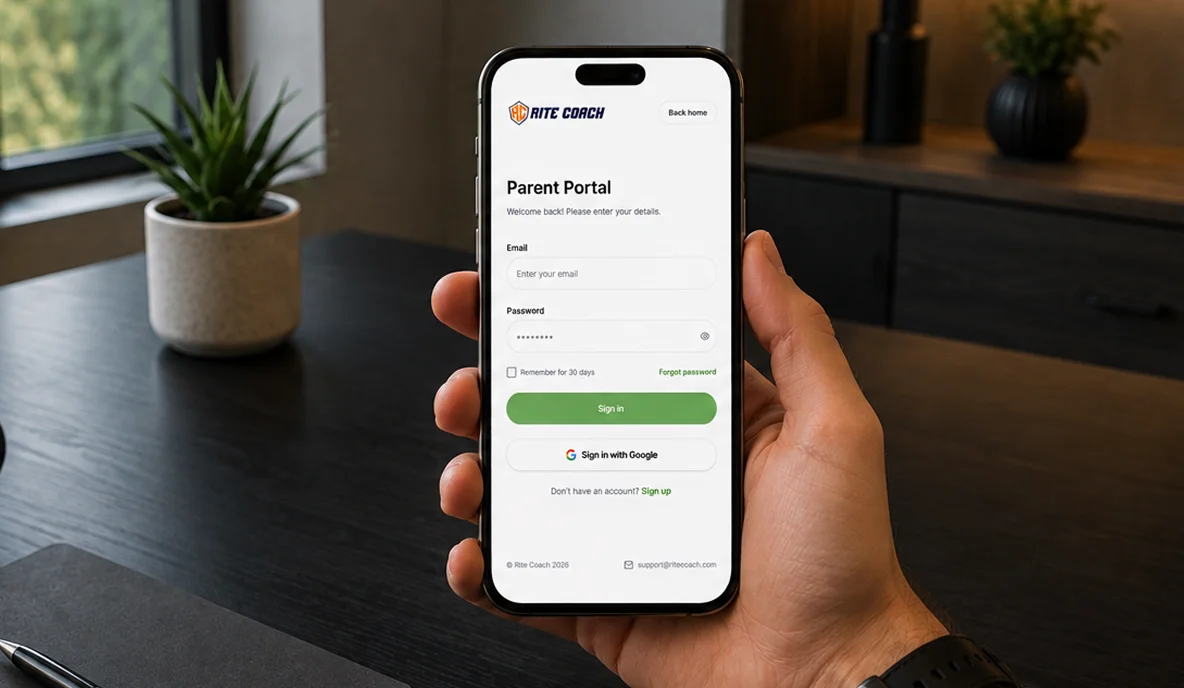
Create Your Profile
Parents create a profile and start finding the right coach in seconds.
Step 2
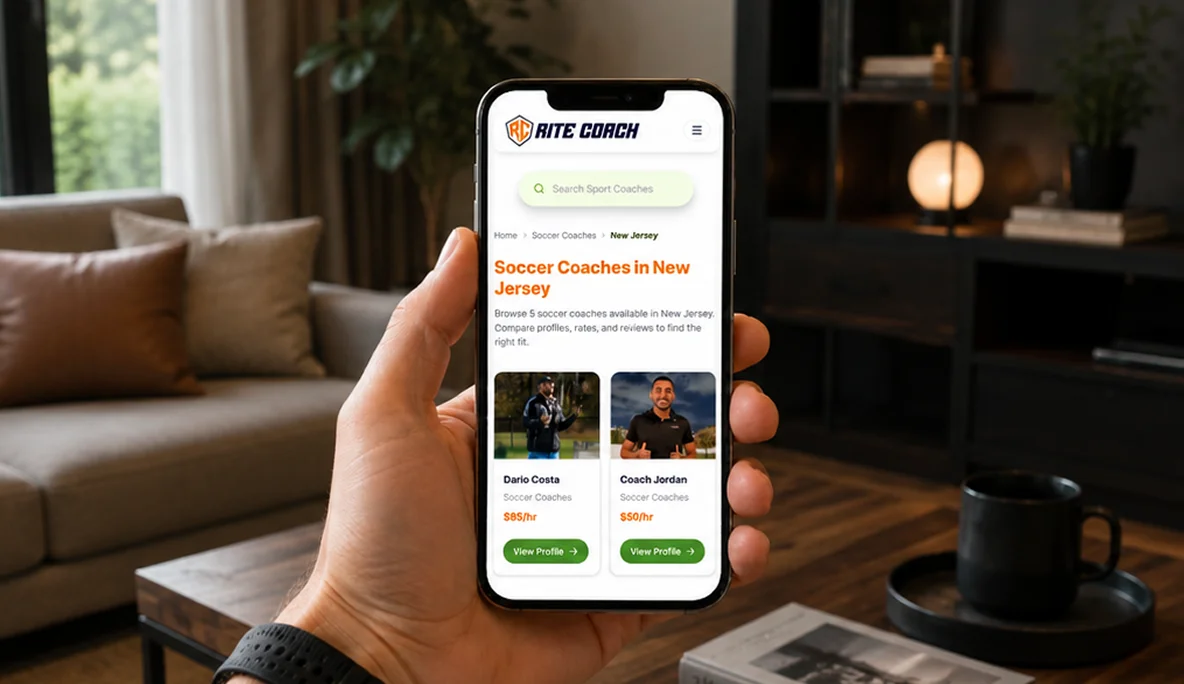
Search & Discover
Browse coaches by sport, location, and training focus across New Jersey.
Step 3
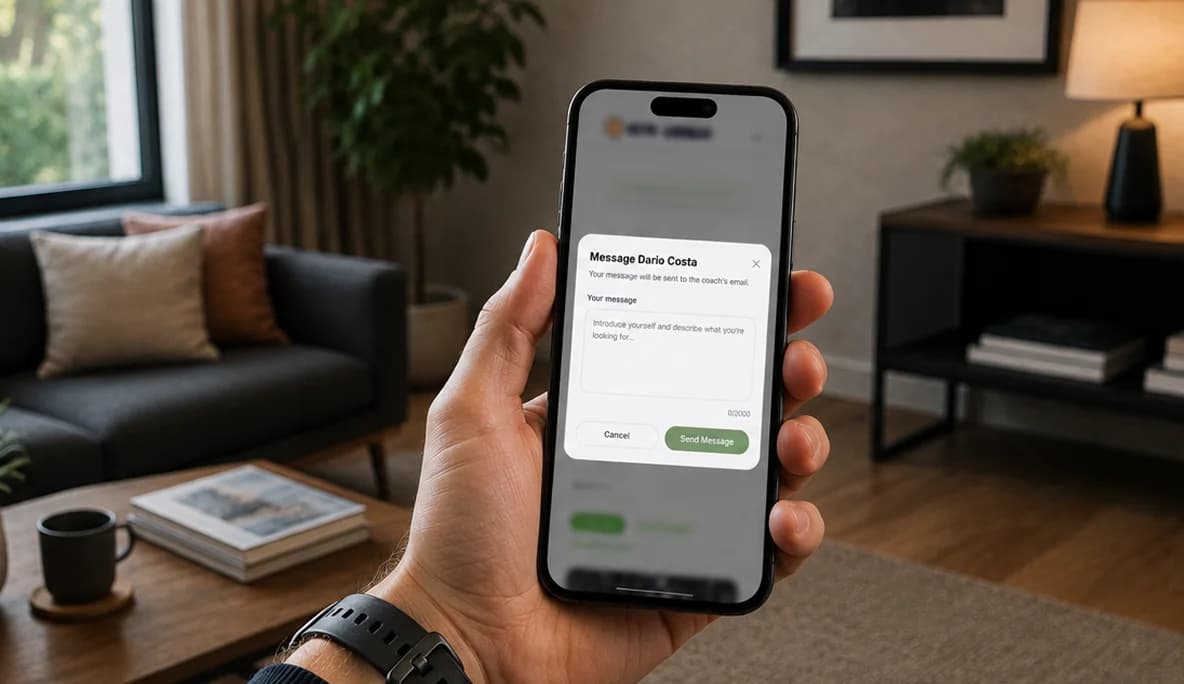
Connect Directly
Message coaches directly to discuss goals, scheduling, and fit.
Step 4
Train With Confidence
Choose the coach that fits your child’s needs and take the next step in their development.
Frequently Asked Questions
Common questions about baseball coaching in Paramus, NJ.
Browse the coaches listed for Paramus, open a profile, and read their background, the ages they train, where they hold sessions and their hourly rate. Then contact the coach directly from the profile. In your first message, give your player's age, the team or league they play in, their main positions, and what you want to work on, such as hitting, pitching or fielding. Mention which days you can make, since Paramus families often juggle school, rec and travel schedules at once.
Each coach sets their own rate and lists it on their profile. Rite Coach takes no commission and charges no booking fee, and you pay the coach directly. Ask whether the rate includes cage or facility rental, which often applies in winter, or whether that is added on top. Also ask whether the coach offers shorter sessions for younger players, packages, or small group rates for teammates, and how they handle a session rained out on a field.
No. Coaches are listed by their home town, not by every field or cage where they train, so one listing can serve players from several nearby towns. The Bergen County baseball page gathers every listed coach in the county, including any without a specific town on their profile. Outside Bergen, there are listed baseball coaches in Bloomfield in Essex County and Pequannock in Morris County, both a reasonable drive from Paramus for a weekly lesson. Check those pages, and check back as more Bergen coaches join.
Each profile lists the age groups the coach trains. Many coaches start with players around eight, once a child can focus through a structured half hour, and continue through high school. Younger players benefit most from basic throwing, catching and hitting habits, and from enjoying the game. Teenagers can work on more specific mechanics, position play and preparation for high school tryouts or college showcases. If your child is very young, ask whether the coach offers shorter sessions.
Most hitting lessons start with a short warm-up and some tee work, where the coach watches the swing at a slow pace. Then come soft toss, front toss and, at some point, machine or live pitching to test the change at game speed. A good coach focuses on one or two things per session, such as the load, the stride or the path of the barrel, rather than overhauling everything. Many coaches use phone video so the player can see the difference. Expect a short routine to practice at home.
A responsible pitching coach pays as much attention to workload as to mechanics. MLB and USA Baseball publish Pitch Smart guidelines with pitch counts and rest days by age, and many leagues follow similar rules. Pitching for several teams at once, or throwing year round without a break, is a common cause of arm injuries in teenagers. Good pitching lessons build sound mechanics, a gradual throwing program and honest limits on how often to throw hard. Ask a coach how they track pitch counts across your player's teams.
A glove, a bat that fits league rules, a batting helmet, cleats or turf shoes depending on the surface, water and athletic clothes. Catchers should bring their gear if the lesson involves receiving or blocking. In colder months, layers matter, because hands get stiff in an unheated cage. Ask the coach whether they provide balls, tees and nets, and let them know about any arm, shoulder or elbow soreness before the session starts.
For most players, once a week or every other week is enough, as long as they practice between sessions. A change in a swing or pitching motion fades without repetition, so ten or fifteen minutes of assigned work a few days a week matters as much as the lesson itself. Before a tryout or showcase, some families book a short, more frequent block. During the season, lessons often drop off because games fill the week. Ask a coach what practice they would set between lessons.
Watch a lesson. A good coach explains things simply, gives one or two corrections at a time, and keeps the player swinging, throwing or fielding most of the session. Ask about their playing and coaching background, which ages they usually work with, and how they measure progress. Be wary of a coach who promises a college scholarship or wants to change everything at once. Reviews from other families on the profile help, and a single lesson before buying a package is a sensible test of fit.
It depends on the player's age, interest and how much time your family has. Travel baseball in Bergen County offers more games and stronger competition, but it also means more driving, more weekends and more cost. Rec leagues give younger players plenty of fun and playing time. Private lessons can help in either setting, and they are not a substitute for game experience. Ask a coach for an honest view of where your player would get the most out of the next season.
Sometimes, but not always freely. Fields at parks and schools are scheduled through the borough, the school district or the college, and leagues get priority during their seasons. Some fields require a permit for organized use, and paid lessons may face extra rules. Coaches who train in town regularly usually know which fields they can use and when. Each profile says where the coach runs sessions. Ask exactly where your lessons will take place, and whether any field or cage fee is added.
Yes. Plenty of coaches work on infield footwork and glove work, outfield reads and routes, throwing accuracy, and catching skills such as receiving, blocking and throwing to second base. These are often the skills that get the least individual attention at team practice. A fielding session needs more space than a cage, so it usually happens on a field or in a large gym. Read each profile to see what the coach covers, and ask whether they have played or coached your player's position.
Start well before March. Tryouts tend to look at throwing arm, fielding, hitting and how a player carries themselves, and coaches notice preparation. A sensible plan includes a gradual throwing program over the winter, regular hitting work, and some conditioning, especially sprint speed. A private coach can set up that plan and run a mock tryout. The honest caveat is that roster spots depend on the other players trying out that year. Ask a coach what they would focus on in the months you have.
Many do. Phone video is the most common tool and often the most useful, because a player can see what the coach describes. Some coaches use radar guns, bat sensors or ball tracking devices, which give numbers such as velocity and exit speed. A good coach explains what the measurements mean for your player. Ask whether video or data are part of a lesson and whether you get to keep the clips.