The 5 tools of baseball, explained for parents
Sooner or later, someone at the field will call a player a "five-tool player," and it is meant as the highest praise in the sport. The 5 tools of baseball are the five skills scouts use to judge a position player: hitting for average, hitting for power, running speed, fielding, and arm strength. A player who is at least average in all five is rare, even in the major leagues.
For parents, the idea is useful for a different reason. It breaks a vague question ("Is my kid good at baseball?") into five smaller ones, and it shows which parts of the game a young player can build with practice and which mostly arrive with growth. Here is what each tool means, how scouts grade it, and what to focus on at each age.
What Are the 5 Tools of Baseball?
The term comes from professional scouting reports, where every position player (not pitchers) is graded on the same five skills. A five-tool player is one who does all five well. FanGraphs notes that players who are at least average in every tool are more rare than you would think, which is why the label carries so much weight.
In plain language:
- Hitting for average. Making solid contact often enough to get on base. Scouts call this the "hit tool."
- Hitting for power. Driving the ball hard and far, into the gaps and over the fence.
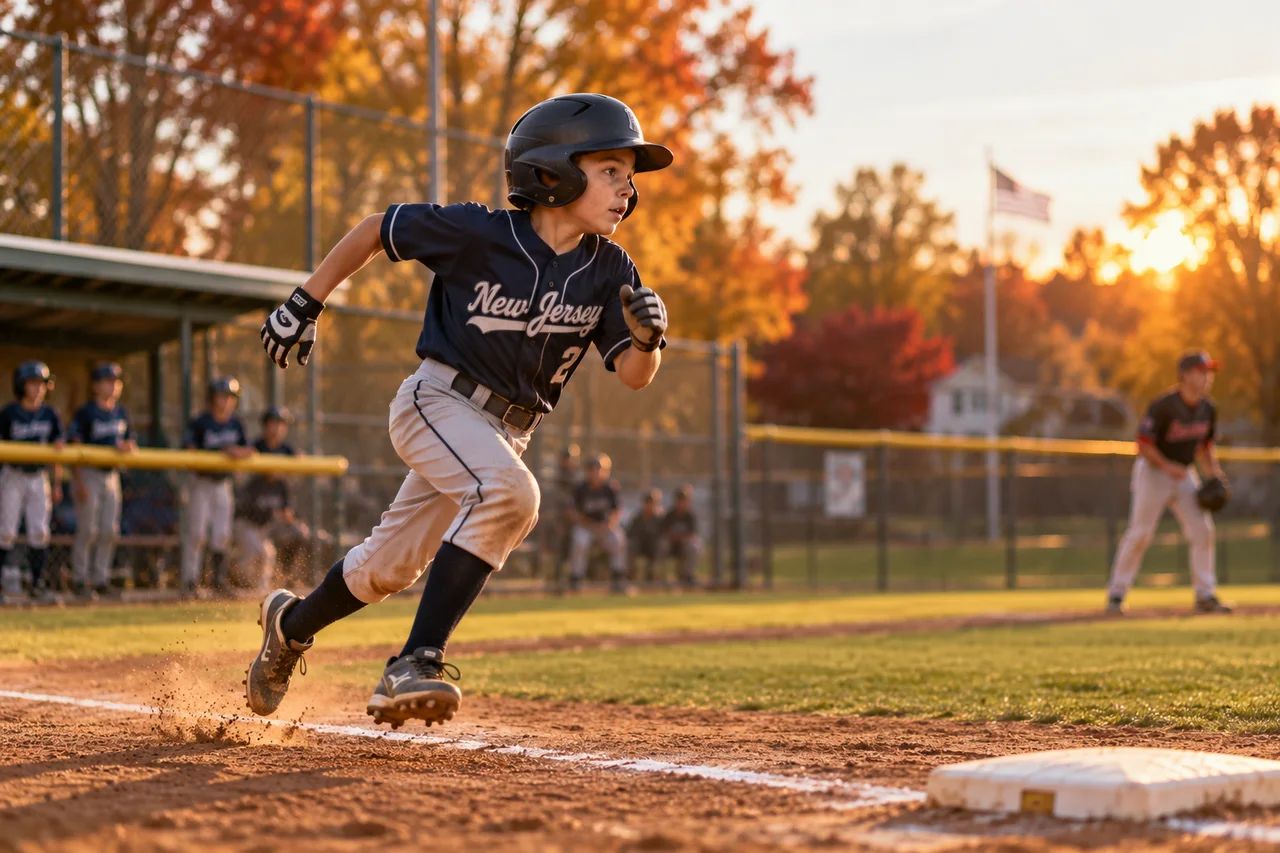
- Speed. How fast a player gets from home to first, takes an extra base, or tracks down a ball.
- Fielding. Range, footwork, and reliable hands on defense.
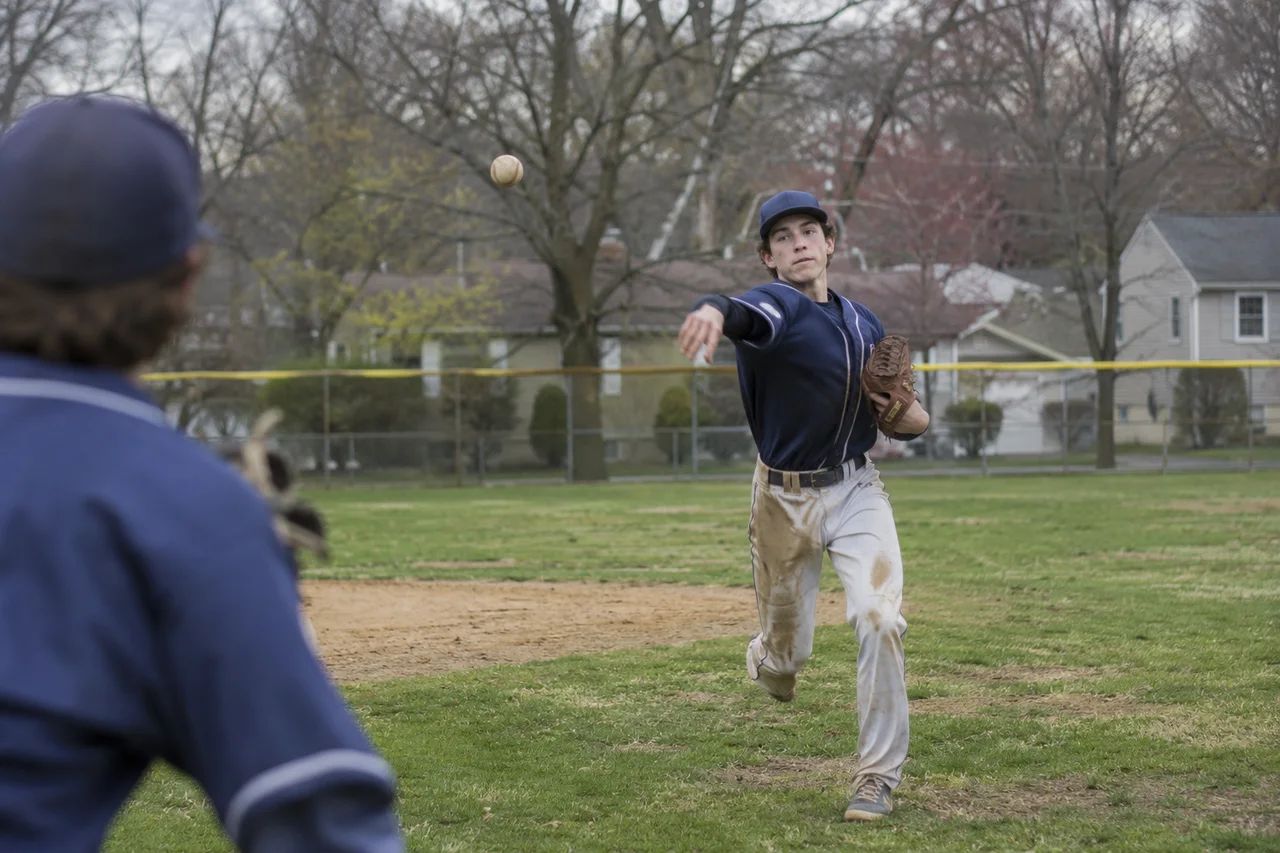
- Arm strength. How hard and how far a player can throw, and how accurately.
How Do Scouts Grade Each Tool?
Scouts use the 20 to 80 scale, where 50 is major league average and each 10 points is roughly one step above or below that standard, so 20 and 80 are the rare extremes (Baseball America). Scouts also give a present grade and a future grade, because a high school player is judged on what they could become, not only on what they can do today.
Some tools are timed or measured. Baseball America explains that speed is usually timed from home to first or over 60 yards in workouts, and arm strength is judged by the velocity and carry of throws. Power is judged by how hard and how far a player hits the ball. Hitting for average and fielding rely more on the scout's eye.
You do not need a stopwatch to see the same things at a youth game. Here is what to look for:
| Tool | What scouts measure | What a parent can watch for at a youth game |
|---|---|---|
| Hitting for average | Quality and frequency of contact, timing, pitch recognition | Does your child swing at strikes, make contact, and hit the ball on a line rather than popping it up? |
| Hitting for power | How hard and how far the ball is hit | Does the ball jump off the bat, or carry over the infielders' heads? |
| Speed | Home-to-first time and 60-yard time | Does your child run hard through first base and get a quick first step on the bases? |
| Fielding | Range, footwork, hands, instincts | Does your child move toward the ball, stay low, and field it in front of the body? |
| Arm strength | Throw velocity and carry, accuracy | Are throws on target, with the whole body involved rather than just the arm? |
Which Tools Can Kids Build, and Which Are Mostly Genetic?
All five tools improve with age and practice, but not equally.
Speed and raw power: trainable, with limits
Top-end speed and raw strength depend a lot on how a child grows. What a coach can change is running form, the first step out of the box, and smart baserunning. Those can turn an average runner into a useful one. Power usually shows up during and after puberty, and good swing mechanics are what let it show up in games.
Hitting for average and fielding: the most coachable tools
These two are built on repetition and sound mechanics. A balanced stance, a short path to the ball, and a good eye at the plate come from thousands of quality swings. On defense, footwork, glove position, and reading the ball off the bat are learned skills. Our guide to baseball hitting drills for kids covers the swing side in detail.
Arm strength: grows with age and mechanics, never with extra volume
A stronger arm comes from a growing body and an efficient throwing motion that uses the legs and core. It does not come from simply throwing more. MLB and USA Baseball's Pitch Smart guidelines ask players ages 9 to 14 to take at least 4 months off from throwing every year, with at least 2 to 3 of those months in a row, and to play other sports during the year.
What Should Each Age Group Focus On?
Ages 8 to 10
Focus on throwing mechanics, catching the ball cleanly, and making contact. Pitch Smart's guidance for ages 9 to 12 starts with athleticism, physical fitness, and fun. Ignore power numbers and radar guns at this age. The American Sports Medicine Institute's position statement for young pitchers says plainly to avoid using radar guns.
Ages 11 to 13
This is the window for fielding footwork, plate discipline, and running form. Many kids grow fast in these years and briefly lose coordination, so patience matters. A player who learns to swing at good pitches and move their feet on defense keeps those habits as the strength arrives.
Ages 14 and up
Supervised strength training starts to pay off, and players begin to find positions that fit their emerging tools: a strong arm might suit the left side of the infield or right field, while speed might suit center. The American Academy of Pediatrics stresses proper technique and supervision for resistance training, so work with a qualified coach rather than an online program.
Common Mistakes Parents Make
- Chasing velocity with more throwing. Long-toss volume and year-round throwing are not shortcuts to a stronger arm. Pitch Smart's guidance includes yearly time off from throwing, avoiding playing for multiple teams at the same time, and not having pitchers also play catcher (ages 13 to 14 guidelines).
- Judging a 10-year-old by size and power. The biggest kid on a 10U team often hits the ball farthest, and that gap can close quickly once others hit their growth spurt. The coachable tools, contact and fielding, tell you more at this age.
- Skipping the "sixth tool." Coaches often talk about a sixth tool: baseball IQ, effort, and coachability. It is not on the 20 to 80 scale, but it is the one every player can control, and coaches at the next level notice it.
Building the Five-Tool Player in New Jersey
High school baseball in New Jersey is a spring sport. The NJSIAA season opens with practice in early March and runs into June, so team time is short and busy. That leaves fall and winter as the natural time to work on one tool at a time, whether that is a cleaner swing, faster footwork at shortstop, or better running form, while still respecting the yearly break from throwing.
This is where a private coach helps most. A team practice spreads attention across fifteen players and all five tools at once. A private session can spend the whole hour on the one skill holding your child back. If you are weighing that choice, our guide on private baseball lessons vs. team practice walks through when each makes sense.
A good first question to ask any coach: which of the five tools would you work on first for my child, and why? A thoughtful answer will name a specific skill, explain how it will be measured, and fit your child's age. You can compare baseball coaches in New Jersey on Rite Coach by experience and the ages they train, then contact them directly.
Frequently Asked Questions
What is a five-tool player in baseball?
A five-tool player is a position player who is at least average in all five tools: hitting for average, hitting for power, speed, fielding, and arm strength. It is high praise because very few players reach that level in every category.
Do pitchers have the 5 tools?
No. The five tools describe position players. Pitchers are graded on their individual pitches, such as fastball velocity and movement, along with control and command.
At what age do scouts start grading the five tools?
Scouts mostly grade high school, college, and professional players, and they grade young players on projection as much as present ability. For younger kids, the five tools are best used as a checklist for balanced practice, not a scorecard.
Looking for a private baseball coach?
Rite Coach lists coaches across New Jersey.