Sports Anxiety in Kids: Signs, Causes, and How Parents Can Help
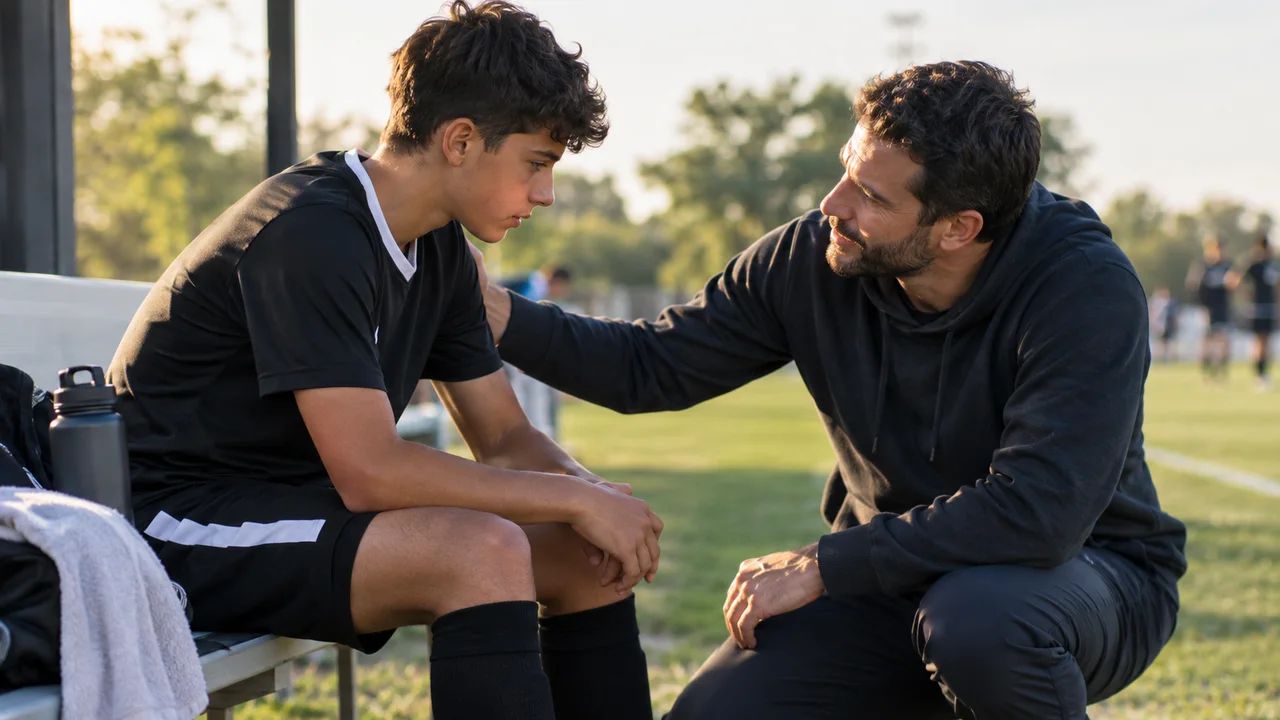
Some kids get butterflies before a game, play, and forget about it by dinner. Others get stomachaches the night before, beg to stay home, freeze in moments they handle easily in practice, or cry after mistakes that seem small to everyone else. When that second pattern shows up, parents often do not know whether it is normal nerves, a temporary phase, or something that needs attention.
This guide explains what sports anxiety looks like in children, what tends to cause it, practical ways parents can help, and when it is time to involve a professional. It is general information, not medical advice. If you are worried about your child's wellbeing, talk to their pediatrician.
Nerves Versus Anxiety
A certain amount of pre-game nervousness is normal and even useful. A little adrenaline sharpens focus and energy. Most athletes at every level feel it.
Sports anxiety is different in degree and effect. The worry becomes intense enough, or lasts long enough, that it gets in the way of performance, enjoyment, or everyday life. A useful question is not "Is my child nervous?" but "Is the nervousness helping them play, or stopping them?"
Common Signs of Sports Anxiety in Kids
Children rarely say "I feel anxious." It usually shows up in other ways.
Physical signs
- Stomachaches, nausea, or headaches before games or practices
- Trouble sleeping the night before competition
- Feeling shaky, sweaty, or out of breath in a way that is out of proportion to activity
- Loss of appetite on game days
Behavioral signs
- Avoiding practice, making excuses, or asking to quit shortly before events
- Playing noticeably worse in games than in practice
- Freezing, hesitating, or avoiding the ball in key moments
- Extreme reactions to mistakes, such as tears, anger, or shutting down
What they say
- "What if I mess up?"
- "Everyone will be mad at me."
- "I am going to let the team down."
- Constant questions about how they played, looking for reassurance
What Causes It
There is rarely one cause, but several patterns come up often.
- Fear of letting others down. Kids who care deeply about their coach, teammates, or parents can feel responsible for everyone's happiness.
- Perfectionism. Children who judge themselves harshly treat every mistake as a failure rather than part of learning.
- Too much weight on outcomes. When conversations center on wins, stats, playing time, or college, a game stops feeling like a game.
- Moving up a level. A new travel team, a varsity roster, or a tryout raises the stakes suddenly.
- A bad experience. A public mistake, a harsh coach, or an injury can create lasting worry about repeating it.
- General anxiety. For some children, sports anxiety is one expression of a broader tendency to worry that shows up in school and other areas too.
How Parents Can Help
Watch what the car ride home sounds like
For many kids, the most stressful part of a game is what happens afterward. Replaying mistakes or offering corrections right after a game, even kindly meant, can make a child dread the next one. Try a simple rule: let them bring it up. "I love watching you play" says more than any analysis. Save technical feedback for their coach.
Shift the focus from outcomes to effort
Children cannot fully control whether they win, score, or start. They can control effort, attitude, and focus. Help them set process goals, such as "talk on defense," "run back every time," or "stay aggressive after a mistake," and praise those instead of results.
Normalize nerves
Tell them nerves are normal, that professional athletes feel them too, and that feeling nervous does not mean something is wrong. Many kids feel relief just learning that the feeling is expected and manageable.
Teach one simple calming tool
Slow breathing works well for many children. Breathe in through the nose for about four counts, hold briefly, and breathe out slowly through the mouth for longer than the inhale. Practice it at calm times, not just before games, so it is familiar when they need it.
Build a pre-game routine
Predictability reduces anxiety. The same meal, the same playlist, the same warm-up, and the same short phrase before the game give a child something to control when everything else feels uncertain.
Plan for mistakes before they happen
Help your child create a short reset for after an error: a deep breath, a clap, a word like "next." Athletes who have a plan for mistakes recover from them faster.
Check your own signals
Kids read their parents closely. Sideline reactions, visible frustration, and pre-game pep talks about how important the game is can all add pressure unintentionally. A calm, relaxed parent is one of the most helpful things an anxious athlete can have.
Helping Before a Big Game or Tryout
High-stakes days tend to magnify anxiety. A few steps make them more manageable:
- Prepare the logistics early. Pack the bag the night before and leave with extra time, so rushing does not add stress.
- Keep the conversation light. Avoid building up how important the day is. Talk about something else on the way.
- Revisit their process goals. Remind them of the two or three things they control.
- Agree on what happens after. Knowing that you will go get food together regardless of the result takes pressure off.
For tryouts specifically, remind your child that coaches often look for effort, attitude, and coachability as much as skill, all of which they can control.
What Not to Do
- Do not dismiss it with "just relax" or "there is nothing to be nervous about."
- Do not force a child to push through signs of real distress.
- Do not let them avoid everything indefinitely either, since avoidance tends to make anxiety grow. Gradual, supported exposure usually works better.
- Do not tie your approval, affection, or rewards to performance.
The Role of Coaches
The right coach can make a large difference. A coach who stays calm, explains clearly, and treats mistakes as part of learning helps anxious kids settle. A coach who yells or singles players out makes anxiety worse, sometimes quickly.
For some anxious athletes, private coaching helps in a specific way. Confidence often comes from competence, and a child who feels unsure of their skills tends to worry most about being exposed in games. Working one-on-one, without teammates watching, gives them room to make mistakes safely, build real skill, and arrive at games feeling more prepared. When you speak with a potential coach, be open about your child's nerves and ask how they would handle them. Their answer tells you a lot. You can browse private coaches for your child on Rite Coach and use our parent's checklist for choosing a youth sports coach to evaluate them.
When to Seek Professional Help
Consider talking to your pediatrician, and potentially a licensed mental health professional, if:
- The anxiety persists for weeks despite support
- It spreads beyond sports into school, friendships, or sleep
- Your child has panic attacks
- They show signs of depression, such as losing interest in things they used to enjoy
- Physical symptoms are frequent or severe
Some families also work with a sport psychology professional, who can teach performance skills specific to competition. Asking for help is not an overreaction. Early support tends to work well.
Frequently Asked Questions
Should I let my anxious child quit their sport?
Try to understand the cause first. If they still love the sport but fear competing, support usually helps. If they have genuinely lost interest, a break or a different activity may be the right call.
Is sports anxiety more common at certain ages?
It often increases around the preteen and early teen years, when competition gets more serious and kids become more aware of how others see them.
Can sports anxiety go away on its own?
Mild nerves often ease with experience. Anxiety that persists or grows usually improves faster with support.