Winter sports for kids in New Jersey
Every November, New Jersey parents run into the same problem: fall soccer and football end, the fields go dark by 5 p.m., and a kid with a lot of energy suddenly has nowhere to put it. The good news is that winter is one of the busiest sports seasons of the year here. It just moves indoors, into gyms, rinks, pools and wrestling rooms.
This guide covers the winter sports New Jersey kids can play, when the seasons run, how to pick one, and how to use the winter to get ready for a spring sport. If you need a gym, court or field nearby, our where to play in New Jersey pages list them by county and town.
Which winter sports can kids play in New Jersey?
Most options fall into three groups.
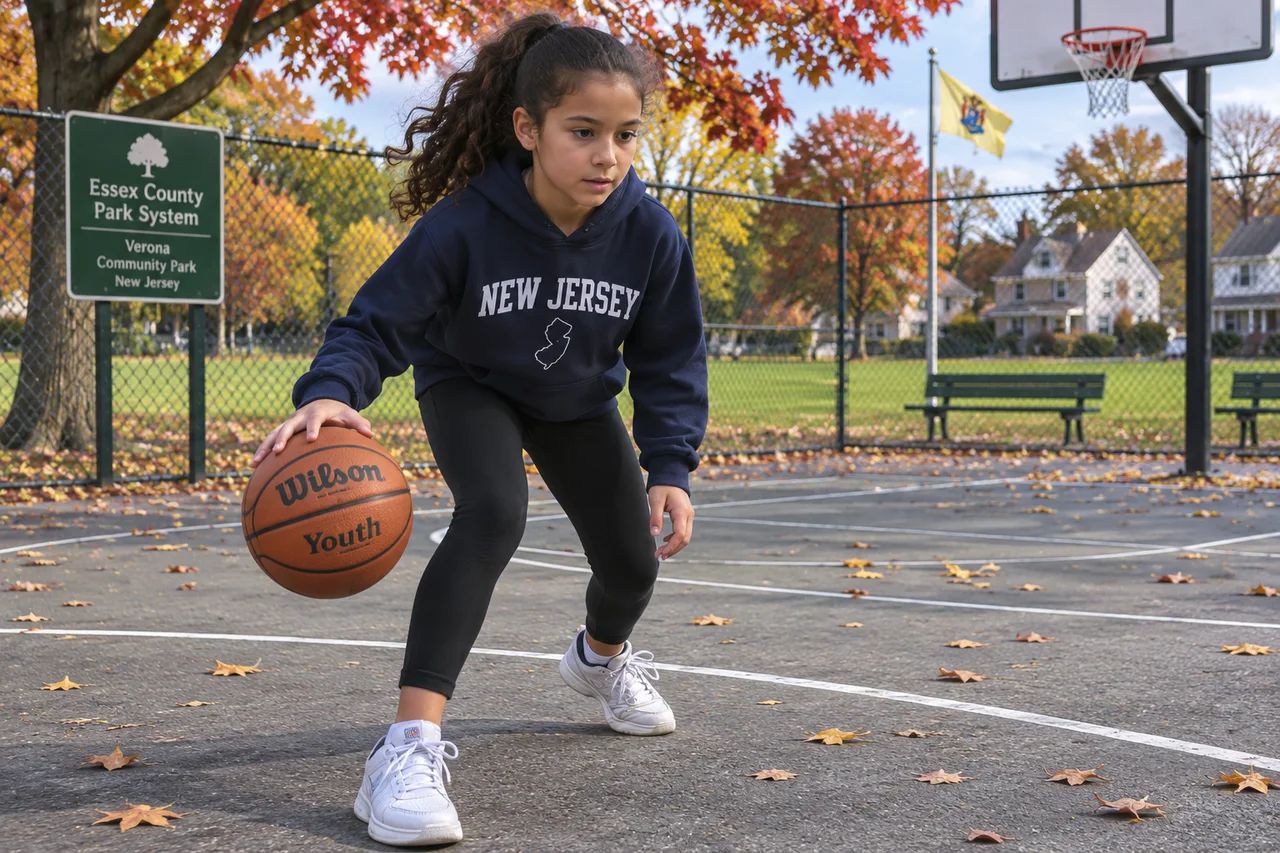
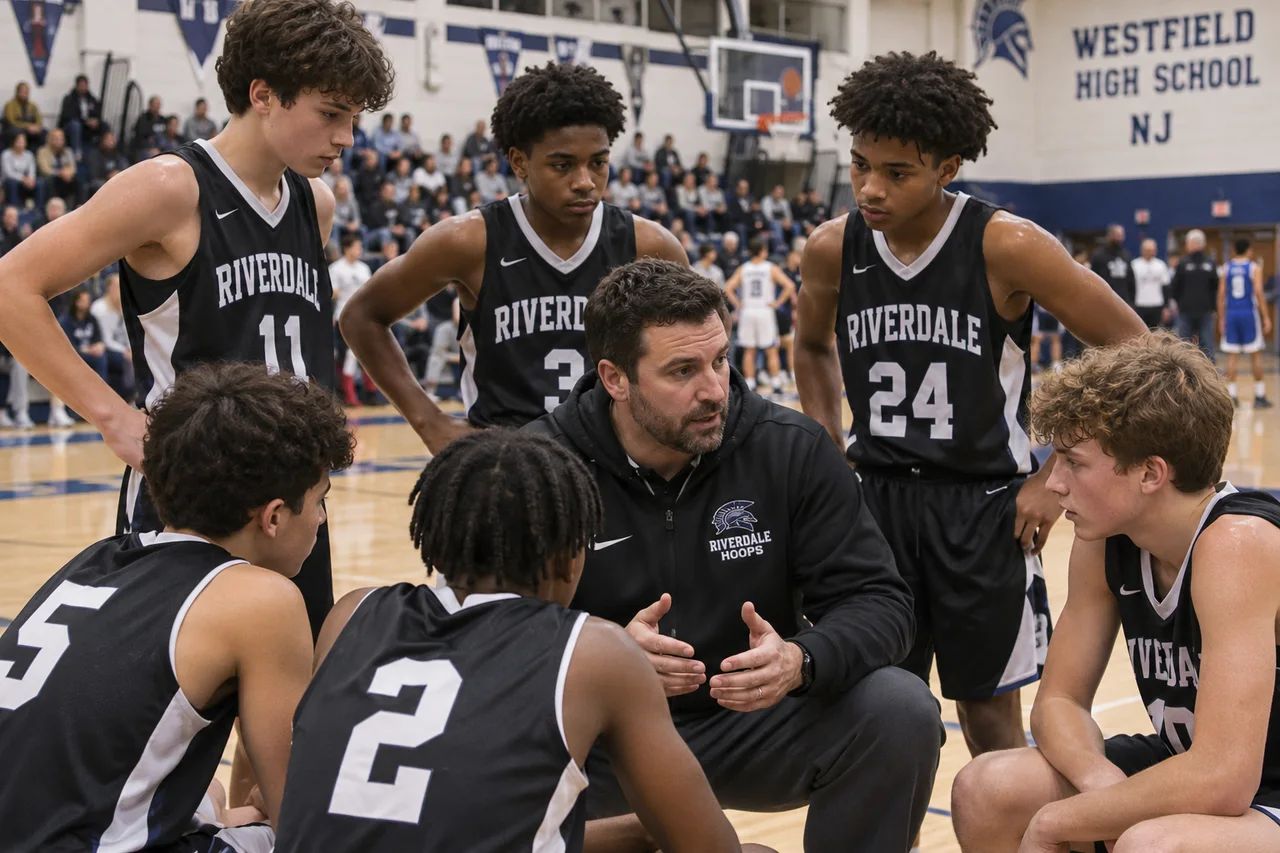
Indoor team sports. Basketball is the biggest by far, with town rec leagues, travel teams and school teams. Wrestling, ice hockey, futsal and indoor soccer round out the list.
Individual indoor sports. Swimming, indoor track, figure skating, fencing, gymnastics and boxing all run through the winter, usually at clubs and private facilities rather than through town rec departments.
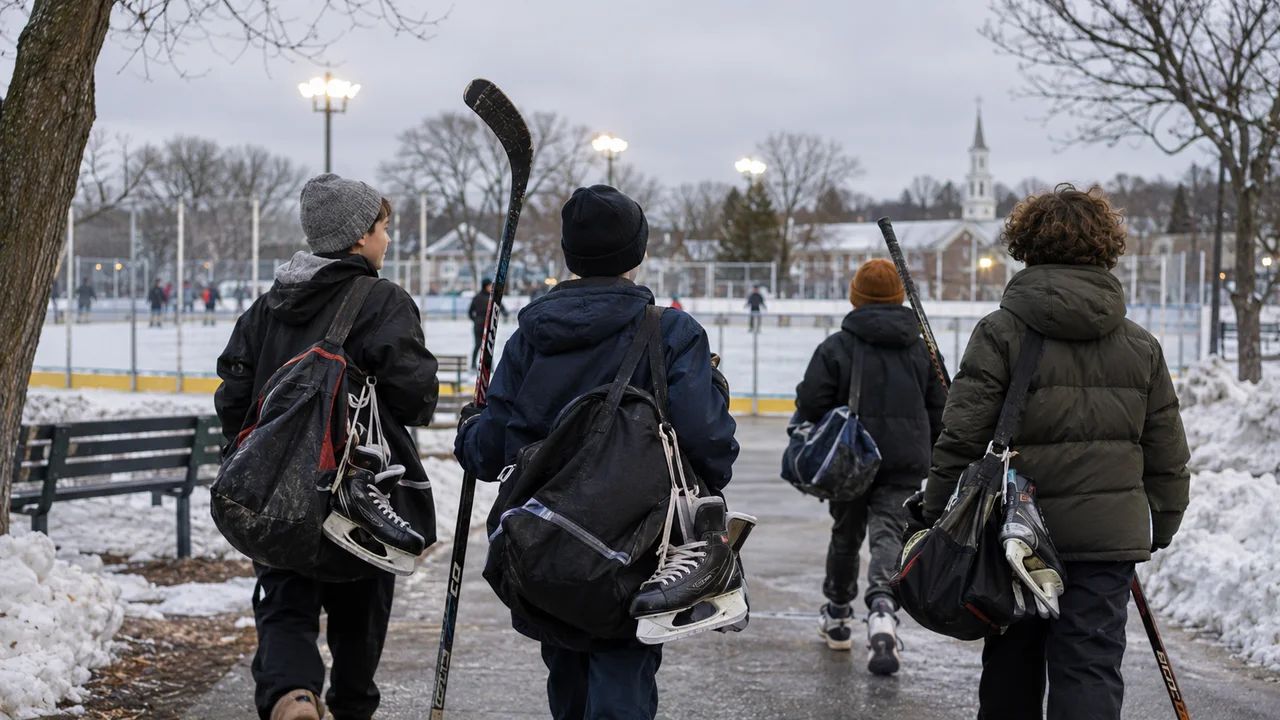
Outdoor winter sports. New Jersey has small ski areas in the north, including Mountain Creek in Vernon and Campgaw Mountain in Mahwah, both of which operated last season. Opening dates depend on the weather, so check their websites before planning a trip. Many towns also have outdoor or seasonal ice rinks for public skating.
For a beginner, the easiest entry points are usually town rec basketball, learn-to-skate programs, and swim lessons, because they are built for kids who have never played. Wrestling clubs and futsal programs also take beginners, but they move faster, and kids who already play a fall or spring sport often pick them up quickly.
When do New Jersey winter sports seasons run?
For high school athletes, the New Jersey State Interscholastic Athletic Association (NJSIAA) sets the calendar. Here are the 2026-27 dates from the NJSIAA winter sports quick chart.
| NJSIAA winter sport | First practice (2026-27) | Competition may begin | Indoor or outdoor |
|---|---|---|---|
| Bowling | November 16 | November 23 | Indoor |
| Ice hockey | November 16 | November 30 | Indoor rink |
| Swimming | November 16 | November 30 | Indoor pool |
| Basketball (boys and girls) | November 30 | December 7 | Indoor |
| Fencing | November 30 | December 7 | Indoor |
| Indoor track | November 30 | December 7 | Indoor (some meets at outdoor facilities) |
| Wrestling (boys and girls) | November 30 | December 7 | Indoor |
The chart also allows an optional three-day tryout period for basketball, fencing, winter track and wrestling on the Monday, Tuesday and Wednesday before Thanksgiving, which this year is November 23 to 25. State tournaments run from late January into March, depending on the sport.
Younger kids follow a different calendar. Town rec basketball leagues typically play from December into late winter, and many towns open registration in the fall, often October or November. Youth wrestling clubs usually start around the same time as the high school season. If you have missed a town's registration window, call the rec department anyway: some leagues keep a waitlist or add players to teams that are short.
How do you choose a winter sport for your child?
Start with a simple question: is this a new sport, or a way to keep improving at one they already play?
Trying something new
Winter is a good time to try a second or third sport. The American Academy of Pediatrics encourages kids to play a variety of sports and notes that children who play more than one are less likely to lose interest or quit (HealthyChildren.org, from the AAP). The same guidance recommends one to two days of rest every week and at least two to three months off from a given sport over the year, which a winter sport naturally gives a fall or spring athlete.
Wrestling is a common pick for football players, and basketball suits almost anyone. If wrestling is on the table, our youth wrestling guide for parents covers what the first season looks like.
Practical filters
The best winter sport is often the one your family can actually get to. Before signing up, check:
Practice nights and times. Rinks and gyms are in high demand, so hockey practices can land early in the morning or late at night.
The commute. A program ten minutes away gets used. One forty minutes away in January snow often does not.
Gear. Basketball needs sneakers and a ball. Hockey, skiing and fencing need a lot more. Ask about rental, loaner or used-gear programs before buying anything.
Whether your child wants it. A sport a child chose is a sport they keep showing up for.
Can you use winter to train for a spring sport?
Yes, and a lot of New Jersey families do. A few ideas by sport:
Baseball and softball. Indoor batting cages run all winter. If your child throws in the off-season, build the throwing up gradually and keep rest days in the plan, since arm injuries in young pitchers are tied to overuse. Indoor hitting and fielding work carries over well.
Soccer. Futsal, played with a smaller, heavier ball on a hard court, rewards quick touches and fast decisions. Many New Jersey clubs and indoor facilities run winter futsal and indoor sessions.
Track and lacrosse. Indoor track keeps sprinters and distance runners in shape, and general speed and agility work fits in a garage or basement.
Winter is also when many private coaches have more open time slots, since team seasons are quieter for some sports. A few one-on-one sessions can target one skill that never gets enough attention at team practice. Our guide to private vs group sports training covers when each makes sense.
How do you keep kids safe in cold weather?
Most winter sports are indoors, but the trip to the rink, the ski slope and the outdoor pond all happen in the cold. The AAP's winter safety tips are a good checklist:
Dress in several thin layers, with a hat, mittens or gloves and insulated boots. Change wet clothing right away.
Know the signs of frostbite: pain or burning, then numbness, and skin that turns white or pale gray. Warm the area gently in warm (not hot) water and do not rub it.
Know the signs of hypothermia: shivering, then sluggishness, clumsiness or slurred speech. It is a medical emergency, so call 911.
Helmets for skiers and snowboarders. The AAP recommends them for everyone, and recommends that kids learn from a qualified instructor in a children's program and never ski alone.
Skate only on approved ice. Ponds and lakes are only safe once someone has checked the ice thickness.
Indoors, the usual rules still apply: a proper warm-up, water at practice, and rest when something hurts. Kids moving from a fall sport straight into a winter one also benefit from a short break in between.
Finding a winter coach in New Jersey
If your child wants to get better over the winter, try this at the first session with a private coach: ask what the coach would want your child to work on alone between sessions, and how they will know it is improving. A good coach will give one or two specific things to practice and a simple way to measure them, not a vague list.
You can compare private basketball coaches in New Jersey and private wrestling coaches in New Jersey on Rite Coach by experience and the ages they train, then contact them directly. If your town has only a few coaches listed in a sport, use the request form on that sport's page and we will pass your request to coaches nearby.
Frequently asked questions
What is the best winter sport for a young child?
For a first winter sport, town rec basketball, learn-to-skate programs and swim lessons are easy places to start. They are built for beginners, need little gear, and run indoors.
When does high school basketball start in New Jersey?
For 2026-27, the NJSIAA chart lists the first practice as November 30, with games allowed from December 7. An optional tryout period runs the Monday to Wednesday before Thanksgiving.
Can my child play a winter sport and keep training for a spring sport?
Yes, as long as the total load stays reasonable. Keep one to two rest days a week, and if the spring sport involves throwing, build up gradually instead of starting at full effort.